

Crunchbase Data Shows Q3 Robotics Startup Funding Jumps 185% As US And China Lead Physical AI Push
THE SO WHAT
A 185% YoY jump to $9.9B in Q3 robotics funding — concentrated in the US and China — means capital is finally chasing physical AI at scale, not just software agents. If you run logistics, manufacturing, or field ops, assume your next competitive threat may come from a robotics-native startup with fresh capital and subsidized pilots.
READ THE SOURCE
MORE FROM THE WIRE
 Robotics & Autonomy
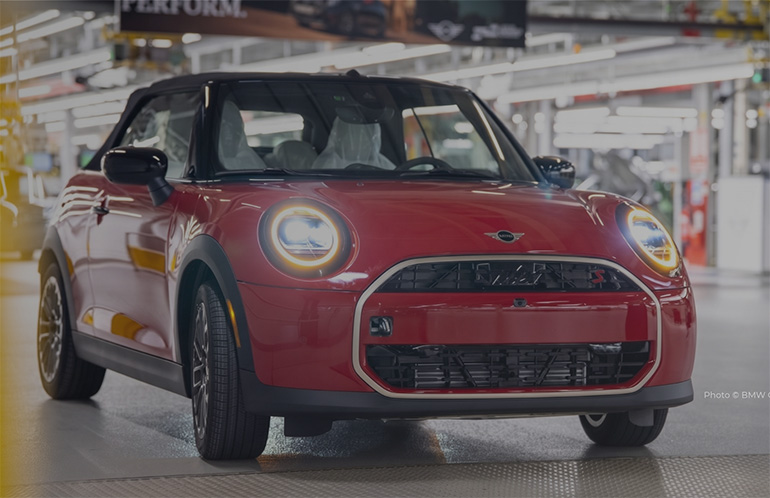
Embotech and BMW move 1M vehicles with automated driving technology
Automating the movement of 3,500 vehicles around BMW sites daily—over 1M moves total—shows autonomy is already de-risked for constrained industrial environments. If you run large yards, ports, or campuses, the question is no longer technical feasibility but integration cost and union/regulatory alignment.
An 11-person startup raised $40 million to challenge robotics' data-hungry giants
$40M into an 11-person team promising one-shot robot learning is a direct bet against data-hungry industrial stacks. If they or peers succeed, the constraint in robotics shifts from labeled data volume to demonstration quality — which would open the door for many more domain-specific deployments.
 Robotics & Autonomy
71,207 drones broke world record in Texas using Chinese expertise and intriguing 'drone-in-a-box' concept — Shenzhen-based Damoda teamed with Sky Elements to bring 10000-strong dragon to life
Seventy‑one thousand networked drones is less about spectacle and more about proving you can reliably coordinate city‑scale swarms. If you run large outdoor events, inspections, or logistics, start assuming “drone‑in‑a‑box” fleets will be a purchasable service tier, not a science project.
 Robotics & Autonomy
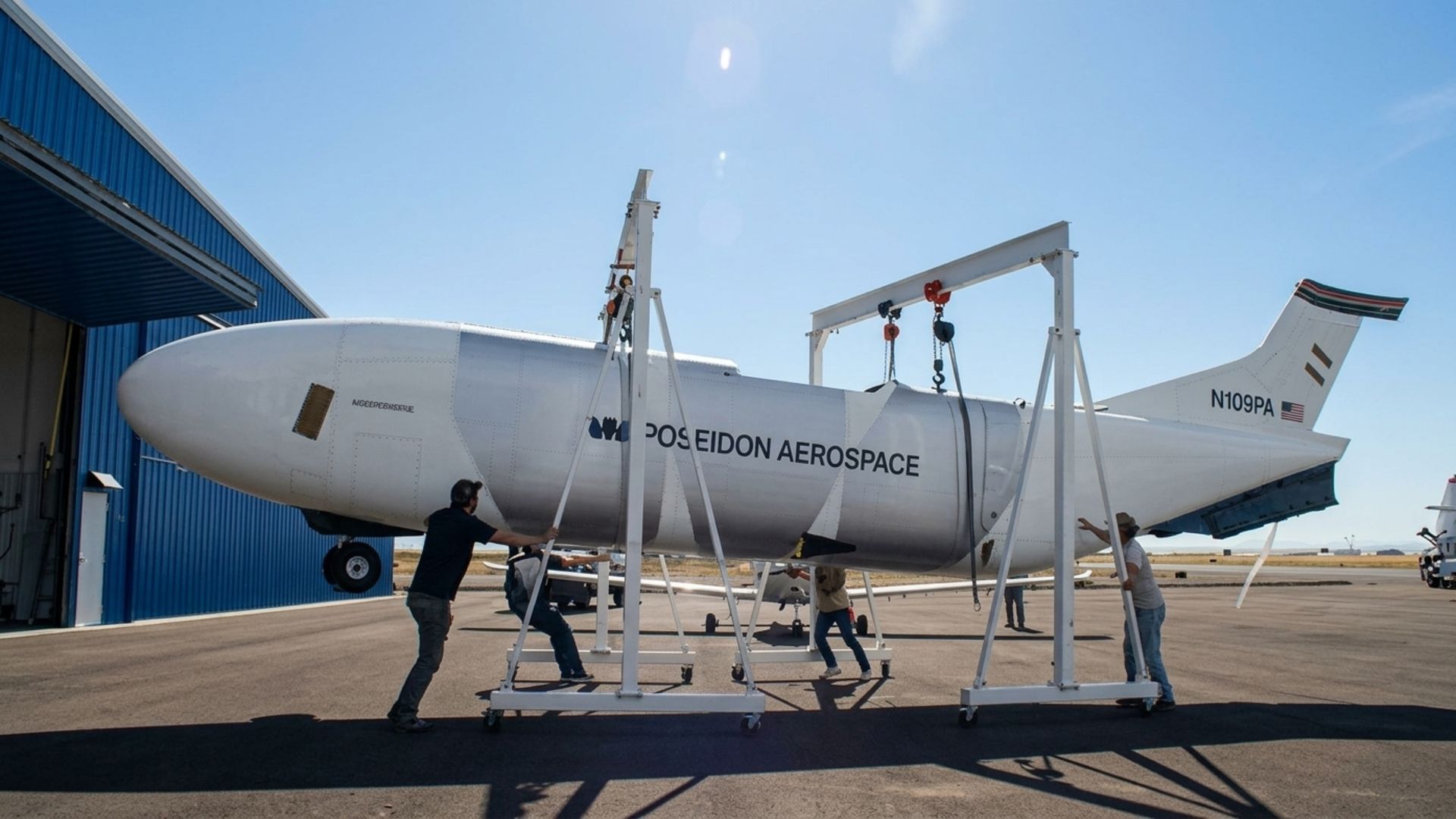
World's largest cargo drone packs a 50-foot wingspan and 4,000lb payload — but you'll never find a human pilot inside
A 50-foot, 4,000 lb-payload autonomous cargo drone is a direct shot at short-haul trucking and remote logistics — not a gadget. If you run supply chains, start mapping lanes where pilotless heavy UAVs could bypass driver constraints, ports, or contested ground routes in the next 3–5 years.