
CXMT’s $1 Trillion Target Gap Flags High Stakes in Chip Battle
THE SO WHAT
The trillion-dollar spread in analyst targets on CXMT shows how uncertain the memory-chip trajectory is under export controls, state support, and AI demand—capex and pricing assumptions are all over the map. If your roadmap depends on DRAM/NAND cost curves, run scenarios with wide bands on both price and availability instead of a single 'AI boom' forecast.
READ THE SOURCE
MORE FROM THE WIRE
 Deep & Emerging Tech
Dark matter’s secret force does the opposite of what scientists expected
Cosmology quietly rewrites the priors that underlie a lot of long-horizon climate, energy, and risk models—if dark matter behaves differently over cosmic time, some ‘fixed’ background assumptions in those models are less fixed than they look. Worth monitoring if you’re in any business that leans on far-future astrophysical baselines for planning or insurance.
 Deep & Emerging Tech
As Taiwanese server makers expand in Mexico, the country has become the second-largest supplier of servers to the US, behind Taiwan, with $46.9B in YTD sales
Server supply is quietly regionalizing—Mexico at $46.9B YTD into the US means nearshoring is now a real lever for data center and AI infra buyers. If you run large hardware refresh cycles, start mapping Mexico-based ODM/OEM options into your vendor mix for both tariff and lead-time resilience.
We went back to Ukraine and were stunned at how much its weapons have evolved in just one year
Wartime Ukraine is showing how fast defense tech can iterate when feedback loops are brutally tight and survival-linked. Civilian operators should pay attention to that tempo—product cycles measured in months, not years, are now proven feasible under pressure.
 Deep & Emerging Tech
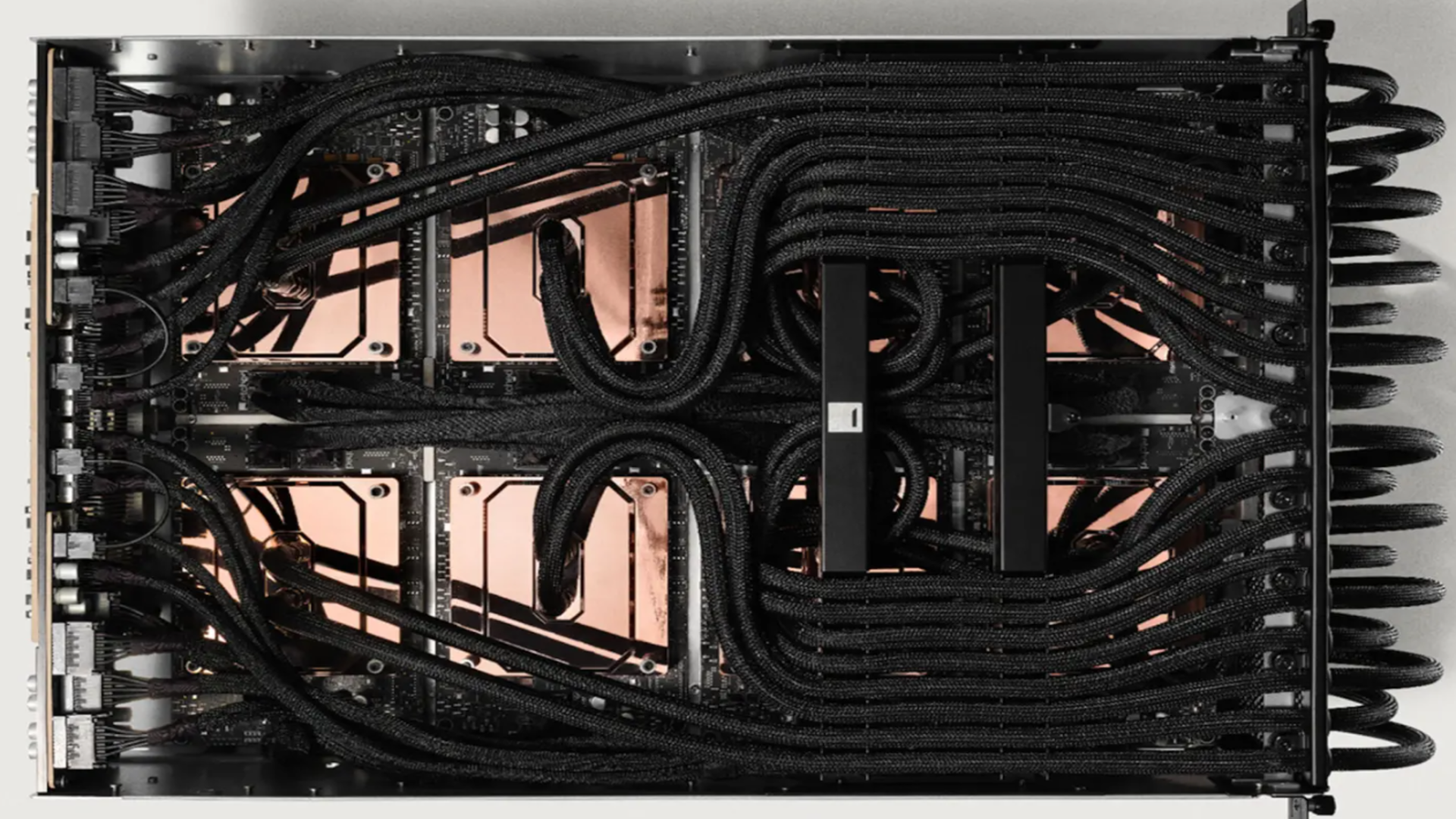
$10 billion startup gets SK Hynix backing to build a transformer that does just one thing but exceedingly well
A $10.3B valuation for a single-purpose transformer chip backed by SK Hynix is a bet that hyperscalers will carve off narrow, high-volume inference paths from general GPUs to control unit economics. If you run large, repetitive inference workloads, start modeling when domain-specific accelerators beat general-purpose fleets on cost and latency.