

D-Wave Appoints Former BNP Paribas CIO Bernard Gavgani to Board
THE SO WHAT
Bringing a former BNP Paribas CIO onto D-Wave’s board—and its cybersecurity committee—signals quantum vendors are orienting around regulated financial use cases and risk posture, not just physics milestones. If you’re in financial infra, start mapping which optimization and risk workloads could realistically move to quantum-assisted pipelines within your planning window.
READ THE SOURCE
MORE FROM THE WIRE
 Deep & Emerging Tech
New Sandpit Program Targets Quantum Silicon Photonics Platforms
A dedicated “sandpit” for quantum silicon photonics at CORNERSTONE shows the ecosystem is shifting from one-off experiments to platformized fabrication and talent pipelines. If you’re a hardware or networking founder, this is a cue to start scouting photonics partners and skills now rather than waiting for commercial foundries to hand you a finished stack.
 Deep & Emerging Tech
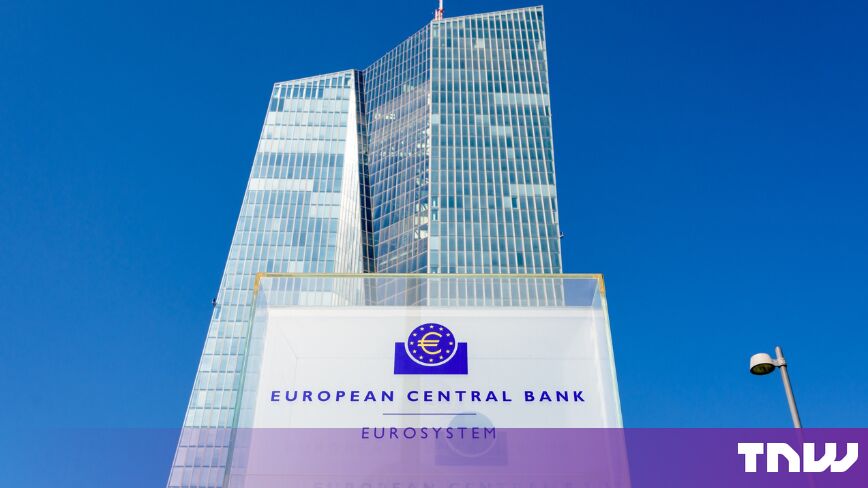
The ECB will invest in tokenised securities, and settle the trades on its own new rail
The ECB putting its own funds into tokenized securities and settling via Pontes is a regime shift—tokenization is moving from sandbox to central-bank-backed market infra. If you issue, trade, or custody European assets, you now have to plan for a world where central bank money settles on-chain-like rails as a standard option, not a pilot.
 Deep & Emerging Tech
UK Power Price Jumps to Highest Since January 2025 on Less Wind
Day-ahead UK power spiking on a wind lull is a reminder that grid volatility is now a planning variable, not an edge case — especially for compute-heavy operations. If your workloads are power-sensitive, start modeling exposure to price swings and exploring demand response or geographic diversification.
Deep & Emerging TechTrump’s Venezuela Oil Deal With Betancourt Hinges on Aging and Distant Fields
A US-backed Venezuela oil venture leaning on aging, remote fields is a bet that infrastructure and logistics can overcome geology and politics. Energy-exposed operators should read this as more evidence that supply security is being rebuilt through complex, fragile arrangements — not just new capacity.