
DARPA wants injured brains to rewire and repair themselves as the US military confronts traumatic brain injuries
THE SO WHAT
DARPA’s push for noninvasive brain repair tech shows neuro-modulation is moving from lab curiosity toward operational requirement for militaries facing TBI at scale. Healthcare and neurotech operators should expect dual-use scrutiny and funding — and a faster path from prototype to deployment than civilian markets alone would support.
READ THE SOURCE
MORE FROM THE WIRE
 Deep & Emerging Tech
Riggleman Warns Private Cyberattacks Could Backfire
Blurring the line between state and private offensive cyber makes every vendor a potential combatant—and a target. If you sell security or infra into sensitive sectors, tighten policies on offensive work-for-hire and be explicit about red lines with clients and staff.
 Deep & Emerging Tech
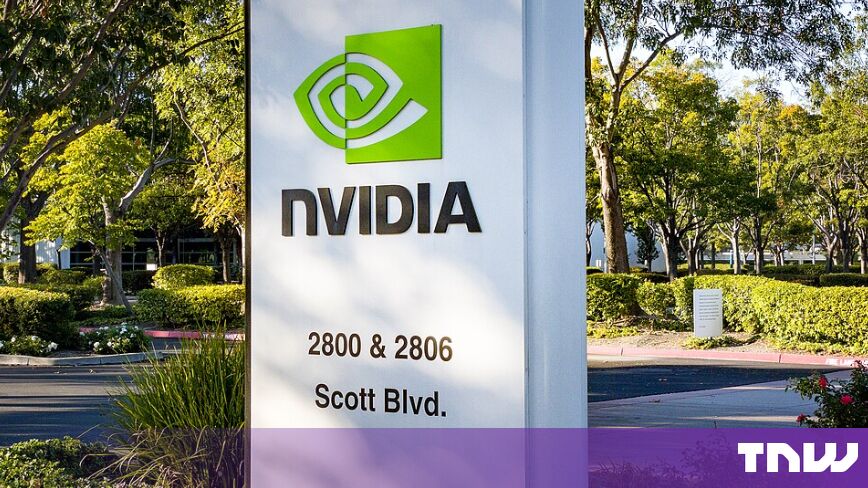
Nvidia halved its $250bn promise to OpenAI. Then it showed investors what it owns
Nvidia trimming its backstop on OpenAI’s 10 GW build shows even core suppliers are re-rating mega-commitments against balance-sheet and power constraints. If you’re counting on hyperscaler-scale AI infra from partners, assume staged commitments with option value — not all-in promises on day one.
 Deep & Emerging Tech
Every fusion startup that has raised over $100M
Fusion’s $7.1B in funding — concentrated in a few players — is turning into a real parallel track to conventional grid planning, not just a science project. If your AI or industrial roadmap assumes cheap, dense power post-2030, you now have specific counterparties and timelines to underwrite, not abstractions.
 Deep & Emerging Tech
Common Earth Project Aims to End Chip Supply Chain Bottlenecks
A coordinated push on rare-earth and materials constraints is a reminder that chip risk is now geology plus geopolitics, not just fabs. Hardware and AI teams should map exposure to location-constrained inputs — not just to TSMC or ASML — when they think about resilience and pricing power.