
Data center developer Crusoe raised $3.9B co-led by Atreides, Valor, and Mubadala at a ~$30.9B post-money valuation, as it bets on factory-built data centers
THE SO WHAT
A $3.9B raise at ~$30.9B for factory-built data centers is a clear read: capital believes modular, rapidly deployable AI compute is a structural advantage. If your AI roadmap assumes “just use the cloud,” start stress-testing for scenarios where proximity, power, or sovereignty make these micro-facilities your next dependency.
READ THE SOURCE
MORE FROM THE WIRE
 Deep & Emerging Tech
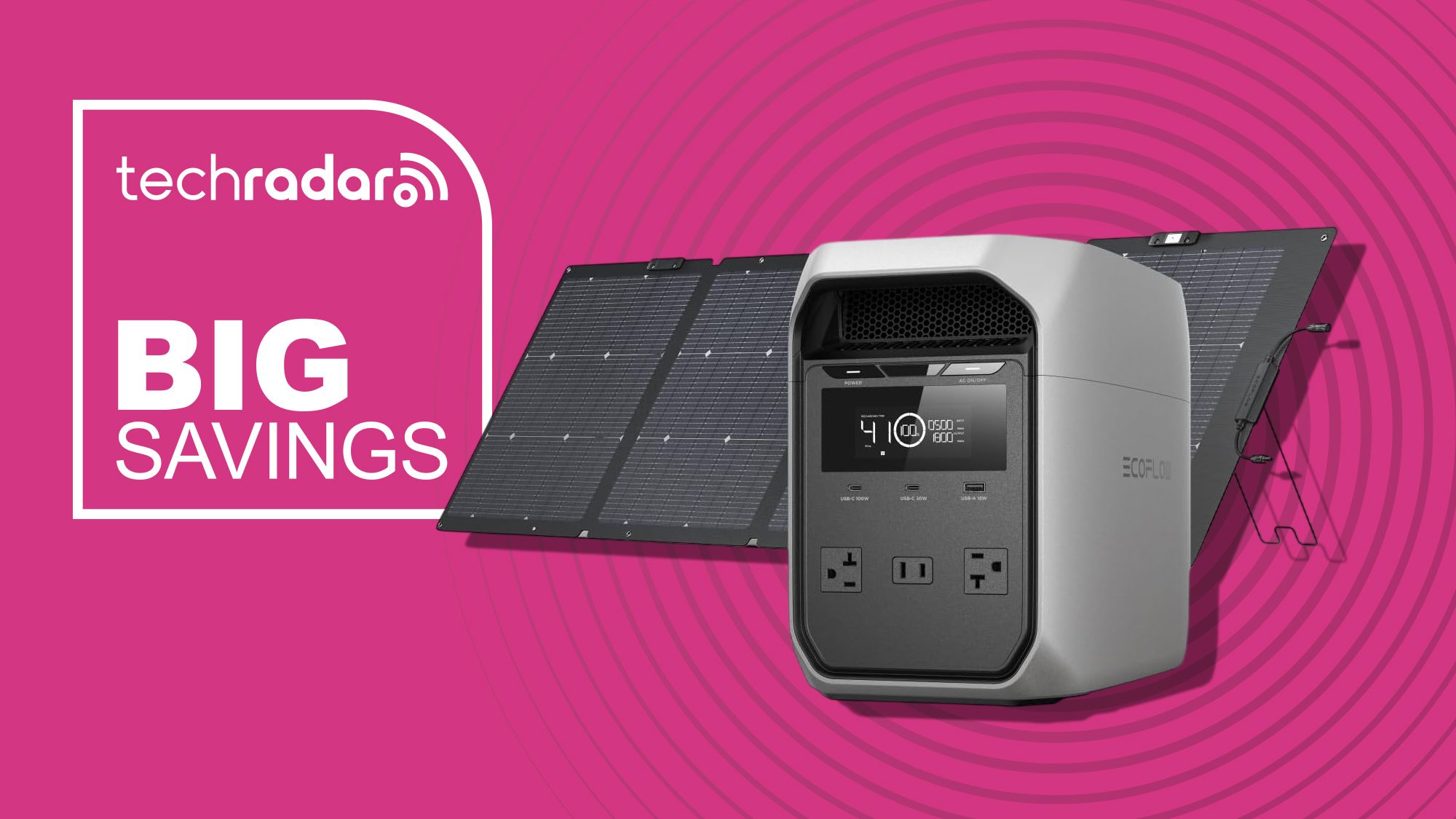
EcoFlow's Delta 3 solar generator bundle gets a $300 price drop at Amazon — with the portable power station and 220W solar panel built for camping, home backup and emergencies
Cheaper, higher-capacity portable solar plus storage is quietly expanding the edge for off-grid and resilience use cases. If your product depends on continuous connectivity or power, assume more customers will have local backup and design for graceful degradation rather than hard failure.
 Deep & Emerging Tech
Japan and the US are discussing a GlobalFoundries chip plant under their $550bn pact, Nikkei reports
A ¥2–3trn GlobalFoundries plant under a $550bn US–Japan pact is another step toward a geographically diversified, subsidy-backed foundry map—capacity and political risk now matter as much as node size. If your roadmap depends on stable access to mature nodes, start treating foundry geography and government alignment as core supply-chain variables, not background noise.
 Deep & Emerging Tech
London's network infrastructure planning rules could be losing the city £2.7 billion a year in economic output
A 5-year mast relocation cycle with only 18 months’ notice is what AI-era infrastructure friction looks like — planning rules throttling bandwidth and latency. If your product assumes dense, reliable mobile or edge connectivity, treat local permitting and urban policy as a core dependency, not an externality.
 Deep & Emerging Tech
Flock Once Touted Its Cameras as ‘Made in the USA.’ Now It’s Not So Clear
Opaque hardware supply chains for surveillance gear are now a security and procurement risk, not just a PR issue. If your product touches law enforcement, critical infrastructure, or regulated data, assume customers will start asking for verifiable provenance down to the PCB and firmware.