
Digital Finance Providers Seek EU Carve-Out From New Legislation
THE SO WHAT
When digital finance players lobby for a DLT carve-out, they’re saying the current EU rulebook prices experimentation out of the bloc. If you’re building in crypto or tokenized finance, jurisdiction choice is now a first-order product decision, not a legal afterthought.
READ THE SOURCE
MORE FROM THE WIRE
 Deep & Emerging Tech
Where Utah’s experiment with AI doctors is headed next
Utah letting AI systems prescribe meds is a regulatory jailbreak—care delivery is being rewritten at the state level, not by federal consensus. If you build in healthcare, route your go-to-market through permissive jurisdictions first and design your stack for a patchwork, not a single rulebook.
 Deep & Emerging Tech
Explaining AMD gear modes and why they’re important for intensive workloads
AMD’s Gear 1 vs Gear 2 tradeoff—latency versus bandwidth—pushes AI infra teams to tune memory like they tune models. If you’re running intensive inference or training on AMD, stop treating BIOS settings as static; there’s free performance sitting in your memory controller.
 Deep & Emerging Tech
'88% Confident 90% Misled': Government & critical infrastructure leaders fundamentally misunderstand the security of the apps they use
When 88% of leaders are confident and 90% misunderstand encryption, your risk isn’t just attackers—it’s decision-makers approving insecure stacks. If you touch critical infrastructure, stop selling “secure by default” and start running exec‑level security education, or your own customers will be your biggest vulnerability.
 Deep & Emerging Tech
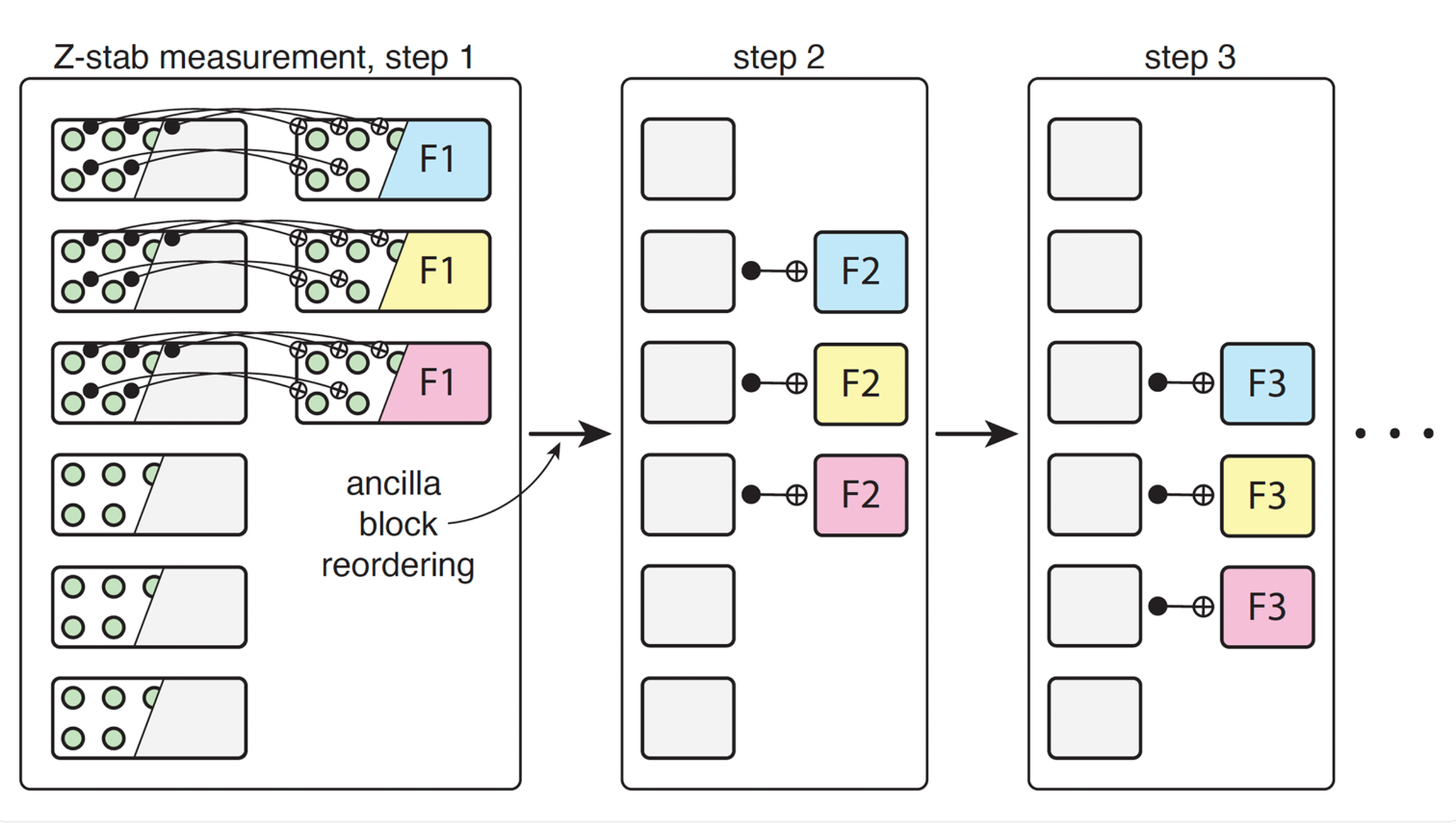
QuEra-led Study Points to Ultra-High-Rate Quantum Error Correction Moving Closer to Practical Hardware
Quantum error-correcting codes with >50% encoding rates and low logical error on neutral atoms shrink the overhead tax that’s kept quantum in the lab. If you’re in HPC, cryptography, or materials, you now need a 5–10 year quantum threat/opportunity model — not a 20-year shrug.