
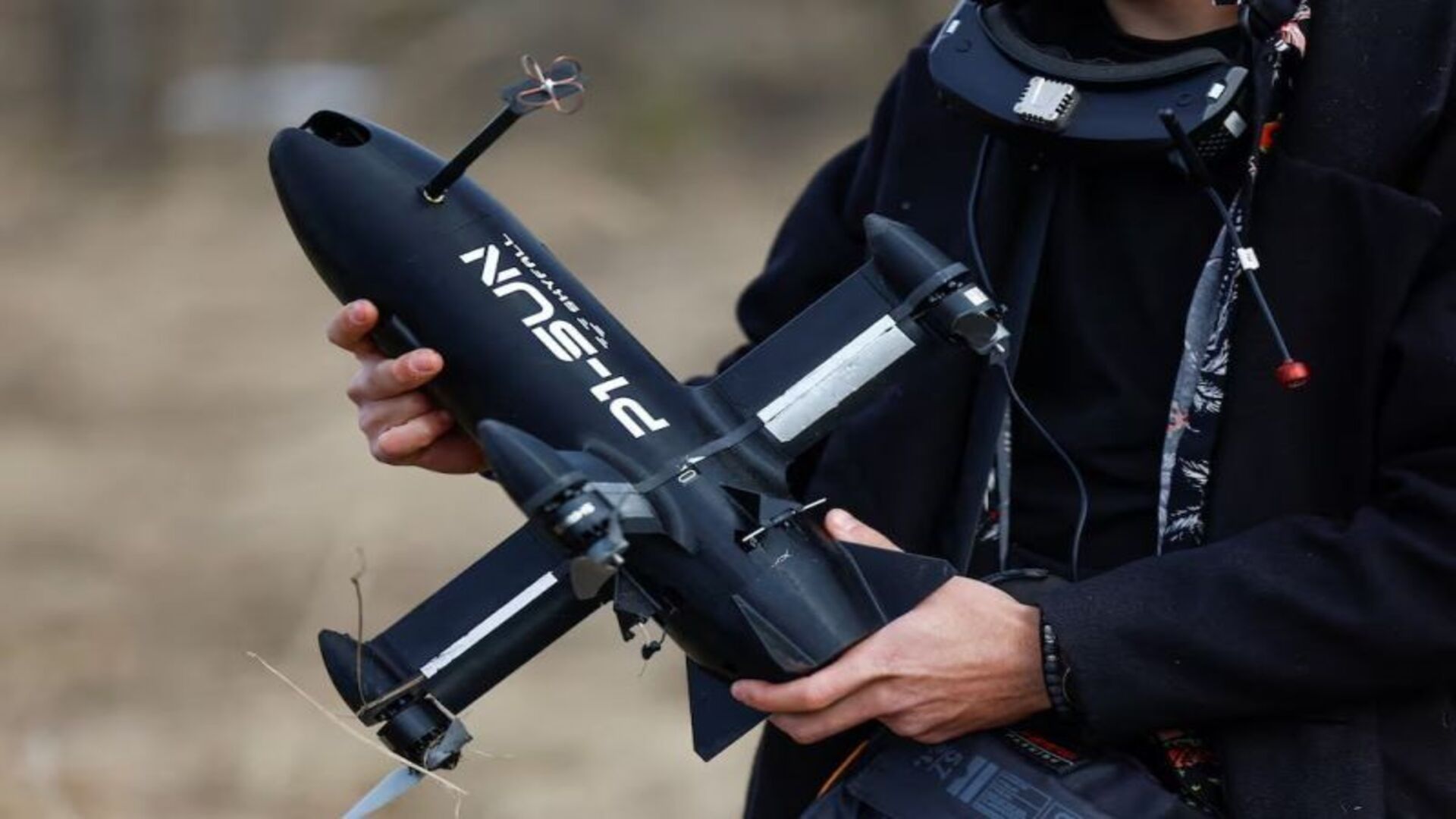
Don't let its name fool you: Ukraine’s P1-SUN interceptor has downed 5,000 drones
THE SO WHAT
Drone warfare is now a volume game, and Ukraine’s P1-SUN interceptors downing 5,000 targets shows how quickly counter-drone systems can harden a theater once they work. Defense and critical-infrastructure operators should assume a similar offense–defense feedback loop at home and start mapping where low-cost autonomous threats would overwhelm current defenses.
READ THE SOURCE
MORE FROM THE WIRE
 Robotics & Autonomy
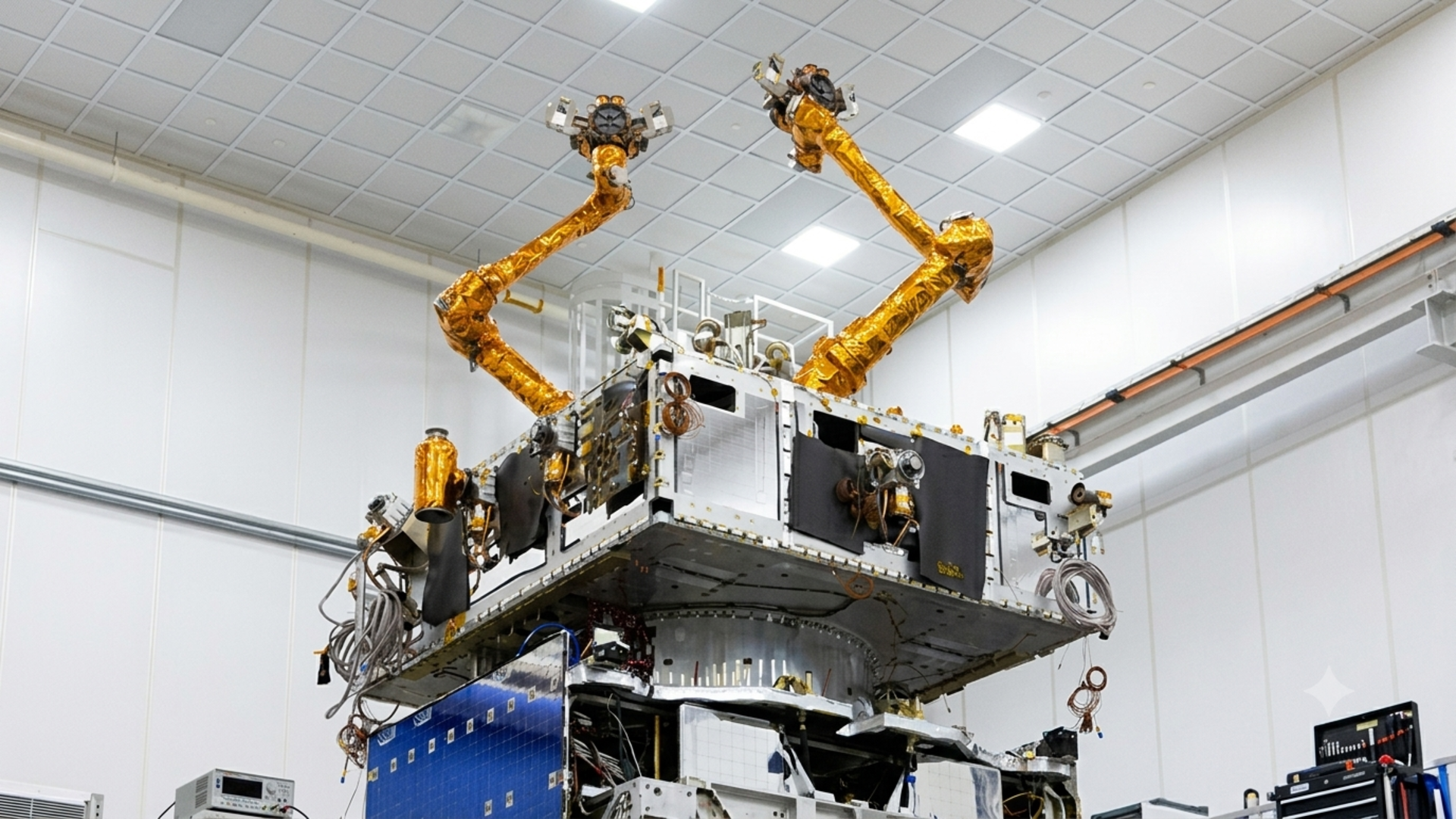
New US space robot with arms could one day 'close-combat' enemy satellites to mitigate space debris
Dual-use servicing robots like Northrop Grumman’s MRV move space from a static asset layer to an actively maintainable — and contestable — operations domain. Any business with satellite dependencies should start treating on-orbit servicing, interference, and debris mitigation as live operational risks, not edge-case scenarios.
 Robotics & Autonomy
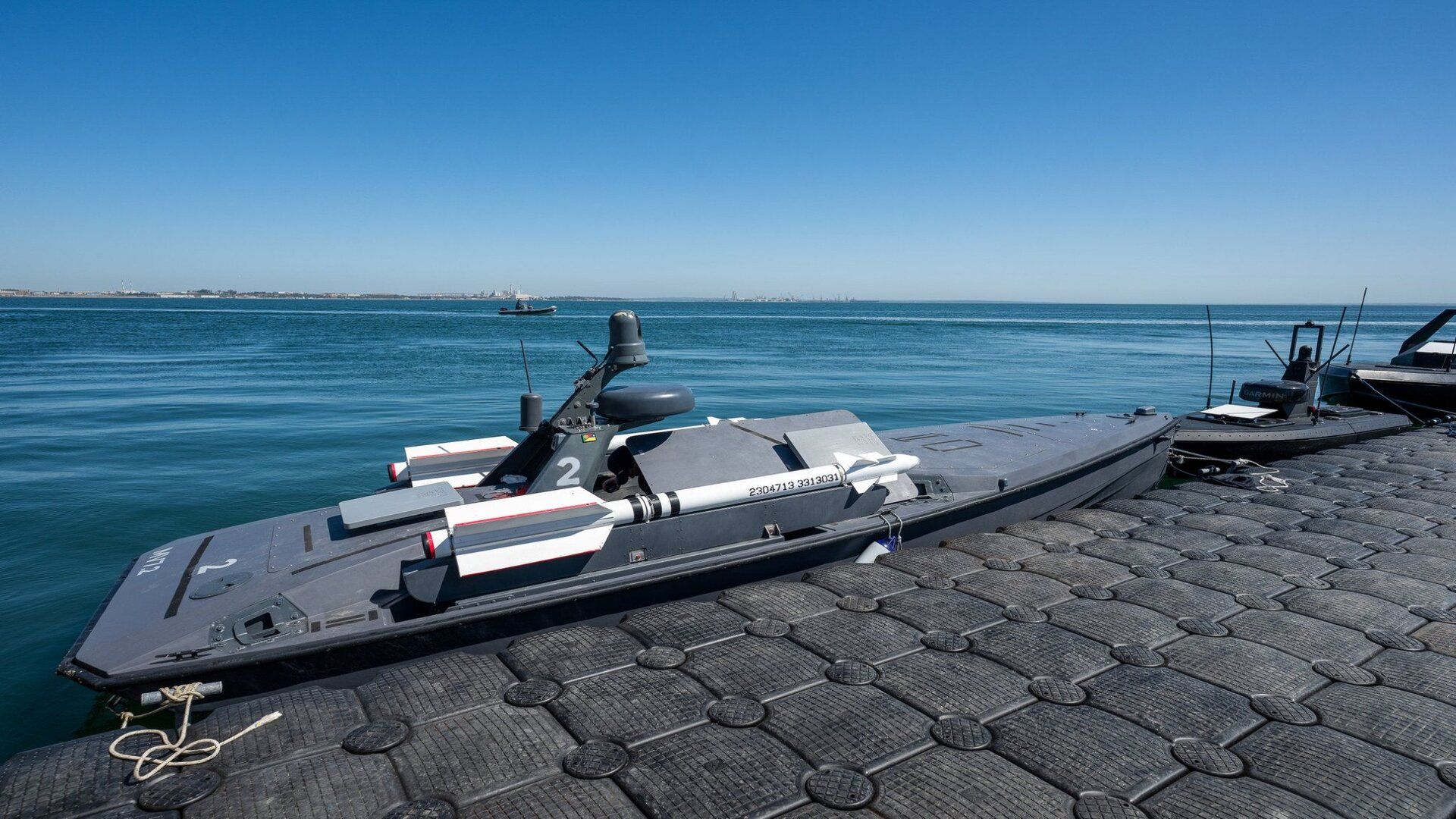
US will build Ukraine’s sea drones — including the one that shoots down jets
Combat-proven unmanned maritime systems moving to US production means naval autonomy is entering the industrialization phase, not just R&D. Defense and dual-use operators should assume higher demand and tighter supply for relevant sensors, comms, and autonomy stacks over the next 12–24 months.
 Robotics & Autonomy
Optical Tech Would Update a Robot’s AI on the Fly
Beaming model updates optically to robots shifts the constraint from bandwidth and downtime to line-of-sight and local optics. If this matures, fleet operators could treat AI policy and behavior like over-the-air firmware—updated continuously instead of in rare maintenance windows.
 Robotics & Autonomy
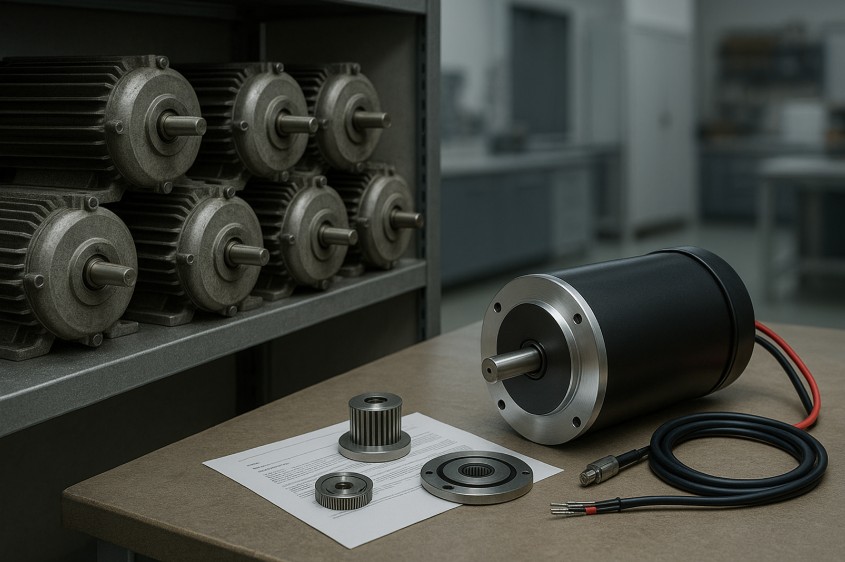
Magmotor makes motors for a changing world for 150+ years
Long-cycle motor suppliers like Magmotor becoming robotics-first partners is a reminder that actuator supply is as strategic as your autonomy stack. If you're scaling robots, lock in motor vendors early—custom windings and form factors become a bottleneck faster than software.