
DoorDash is paying people to load its delivery robots. It points to a shortcoming of automation
THE SO WHAT
DoorDash using gig workers to load Dot robots is a reminder that 'last 10 feet' problems often turn autonomy into a hybrid workflow, not a fully automated one. When you model automation ROI, explicitly price in human handling, supervision, and exception management—those line items are where many robotics deployments quietly stall.
READ THE SOURCE
MORE FROM THE WIRE
 Robotics & Autonomy
Google DeepMind says Gemini Robotics 2 enables full body control
If Gemini Robotics 2 can reason through full-body motion across a broad task set, the constraint in robotics shifts from low-level control to data, embodiment, and integration with existing workflows. Industrial and logistics operators should start mapping which task families could move from bespoke automation to generalist platforms over the next 12–24 months.
 Robotics & Autonomy
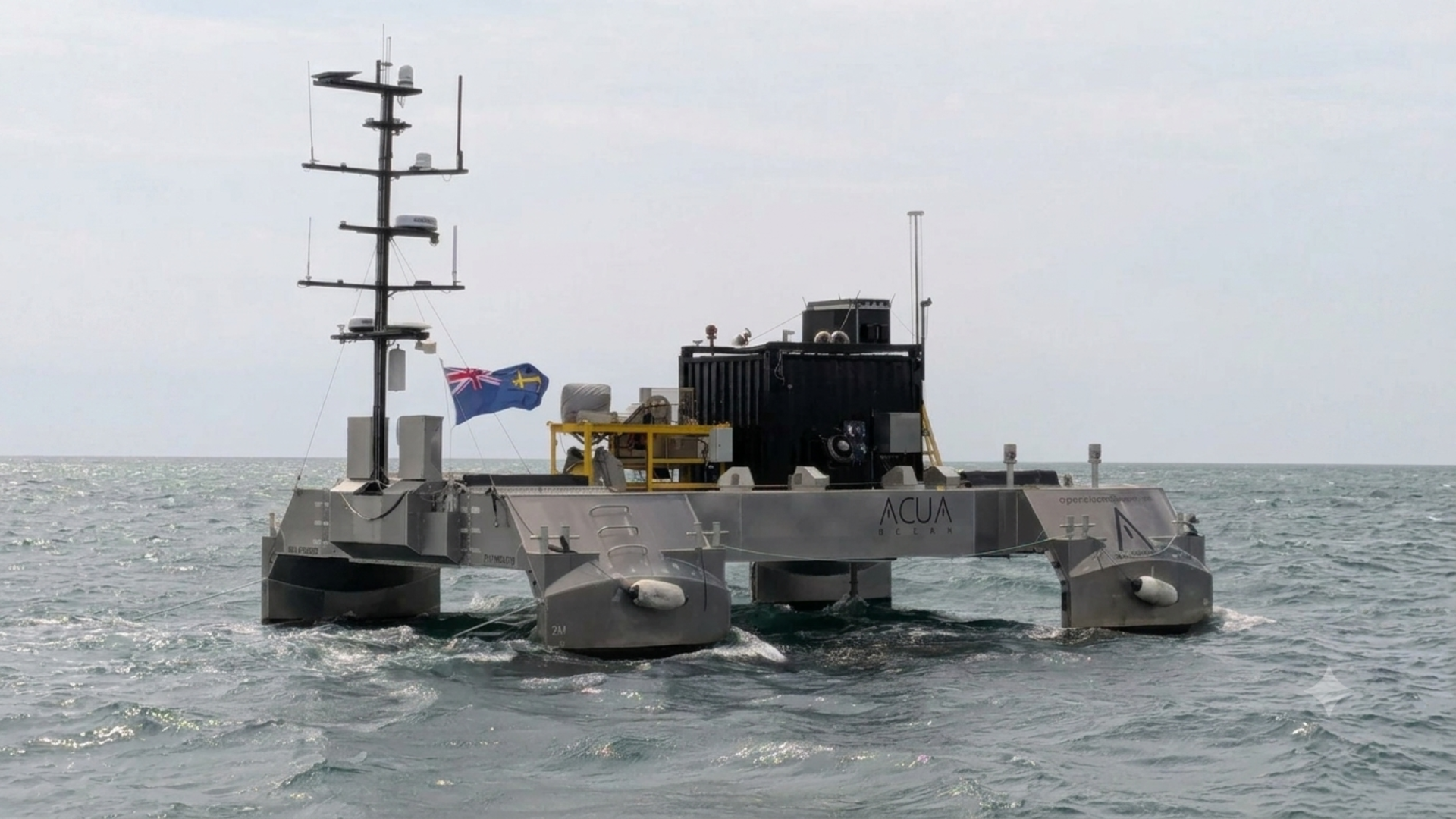
UK tests robot boat that can fly its own wired drone even in 14ft waves and stay at sea for weeks
A robotic boat launching a tethered drone in 14-foot seas for weeks at a time is a proof point for persistent, low-crew maritime sensing. If your operations touch ports, offshore assets, or coastal logistics, start assuming continuous autonomous surveillance as a planning constraint, not a future nice-to-have.
 Robotics & Autonomy
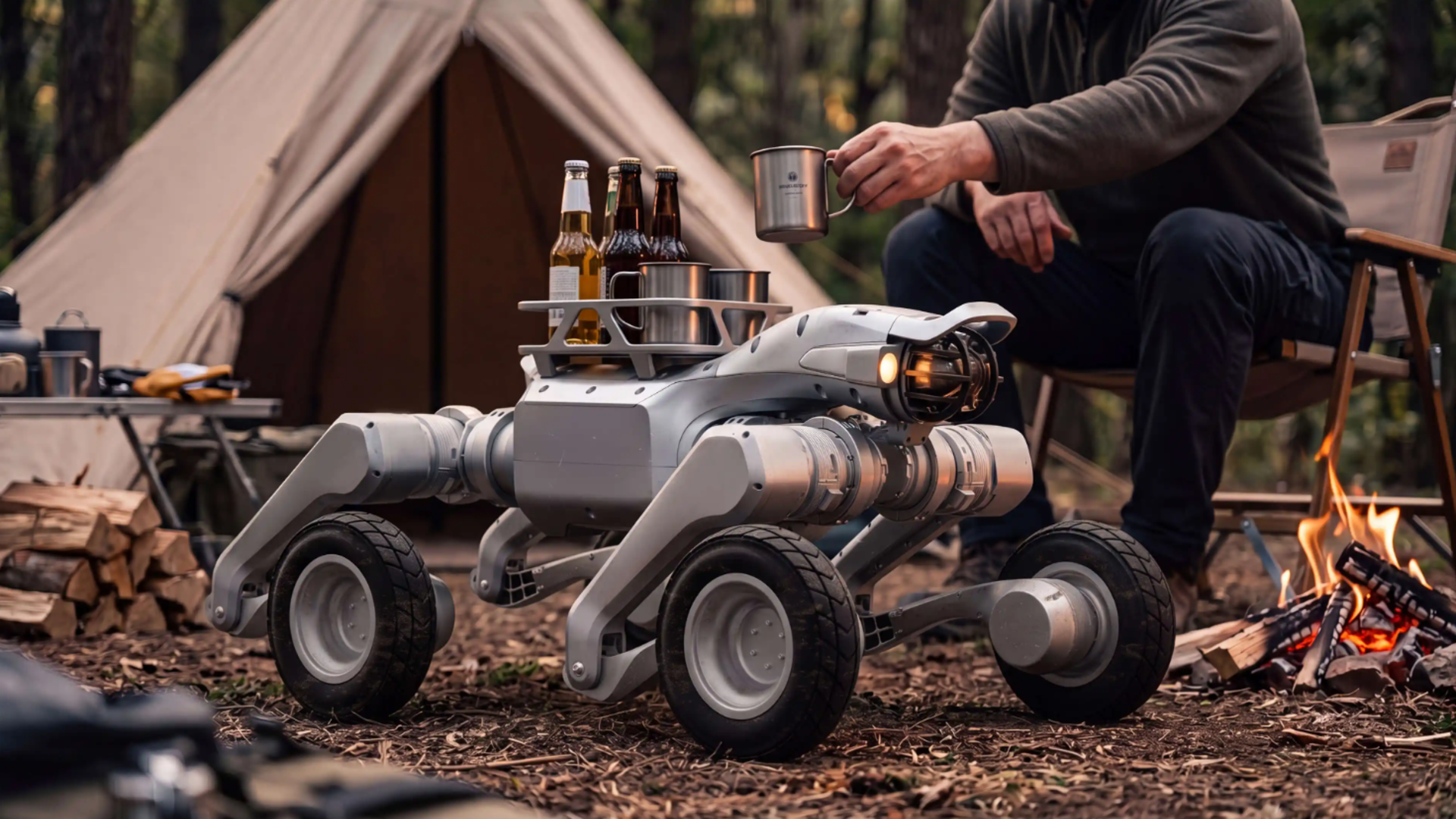
China outs Nvidia-powered AS2-W quad-wheel 'robot wolf', just weeks after its armed version surfaced in joint military drills in Mongolia
Unitree’s Nvidia-powered AS2-W moving from demo to joint drills shows how quickly rugged, semi-autonomous ground platforms are being normalized in military planning. Dual-use teams should assume that perception, navigation, and control stacks proven here will bleed into industrial and security robotics over the next 12–24 months.
 Robotics & Autonomy
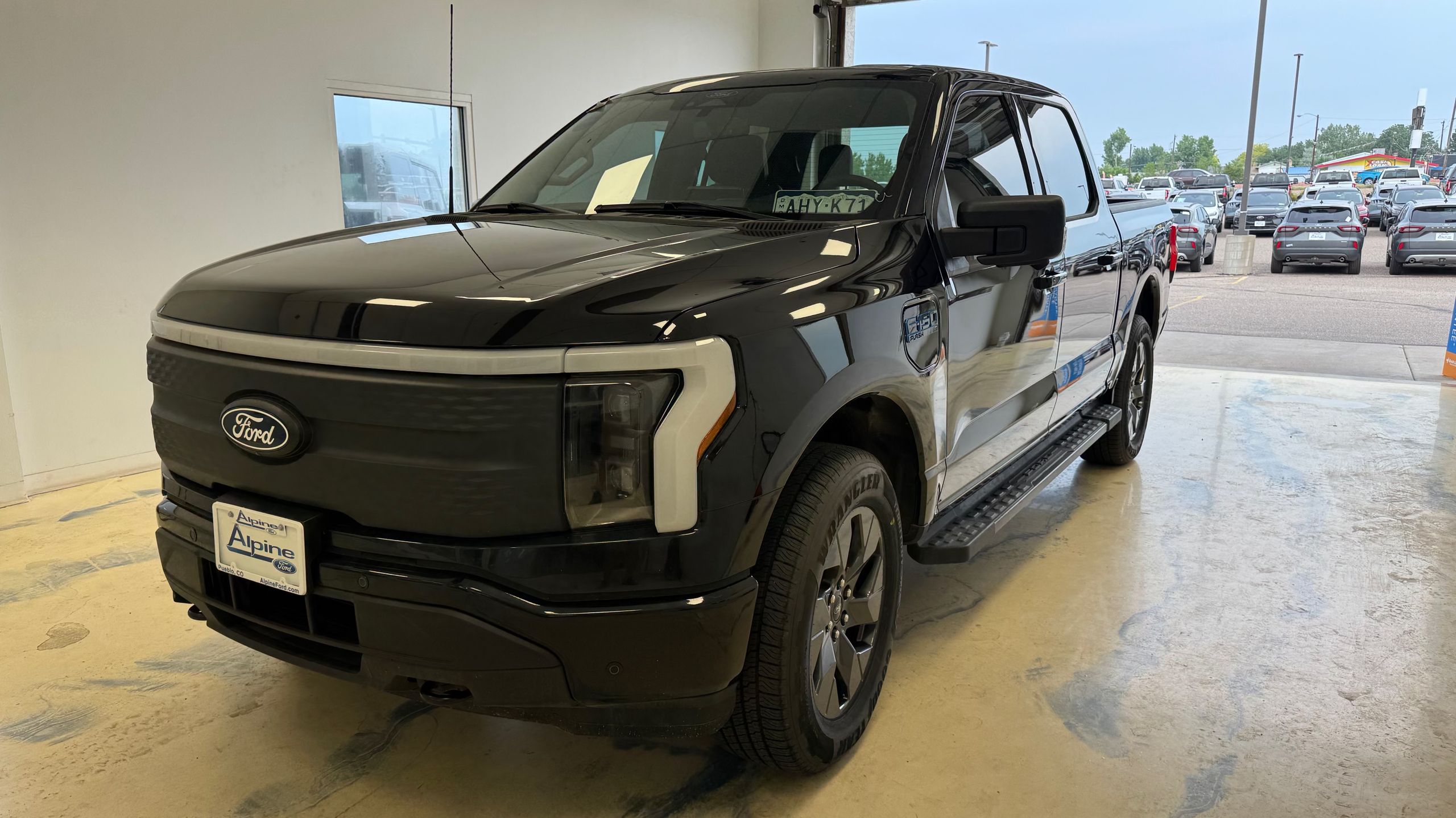
I replaced Ford BlueCruise with an open-source driver-assistance system — after 1,000 miles, I'm not going back
A driver choosing an open-source Comma 4 stack over a $500/year OEM subscription after 1,000 miles is a warning shot for proprietary ADAS revenue models. Auto and mobility operators need to assume a future where enthusiasts and fleets can swap in third-party autonomy stacks, eroding lock-in and pushing value toward hardware, data, and service layers.