
DoorDash is still ironing out Dot delivery robot kinks, from charging to pickups
THE SO WHAT
DoorDash’s Dot still struggling with basics like loading and charging in Phoenix shows last-mile autonomy is less a perception problem and more a systems-integration grind. Retail and restaurant operators should treat delivery robots as multi-year ops projects with process redesign, not plug-and-play labor swaps.
READ THE SOURCE
MORE FROM THE WIRE
 Robotics & Autonomy
‘They’ve Had Their Fair Share of Issues’: Uber Wants to Avoid Tech Backlash While Building Its Giant Robotaxi Fleet
Uber explicitly calling for a "slower" robotaxi rollout is a signal that social license and regulatory pacing are now core constraints, not afterthoughts. If you’re deploying autonomy in public spaces, budget as much for community, policy, and staged pilots as you do for sensors and software.
 Robotics & Autonomy
Travis Kalanick’s robotics startup Atoms taps former Uber finance chief as CFO
Kalanick pulling in Uber’s former CFO and Levandowski’s autonomy assets points to Atoms being capital- and hardware-intensive, not a lightweight software play. Expect a blitz toward large fleet or facility deployments where financial engineering and asset leverage matter as much as the robotics stack.
 Robotics & Autonomy
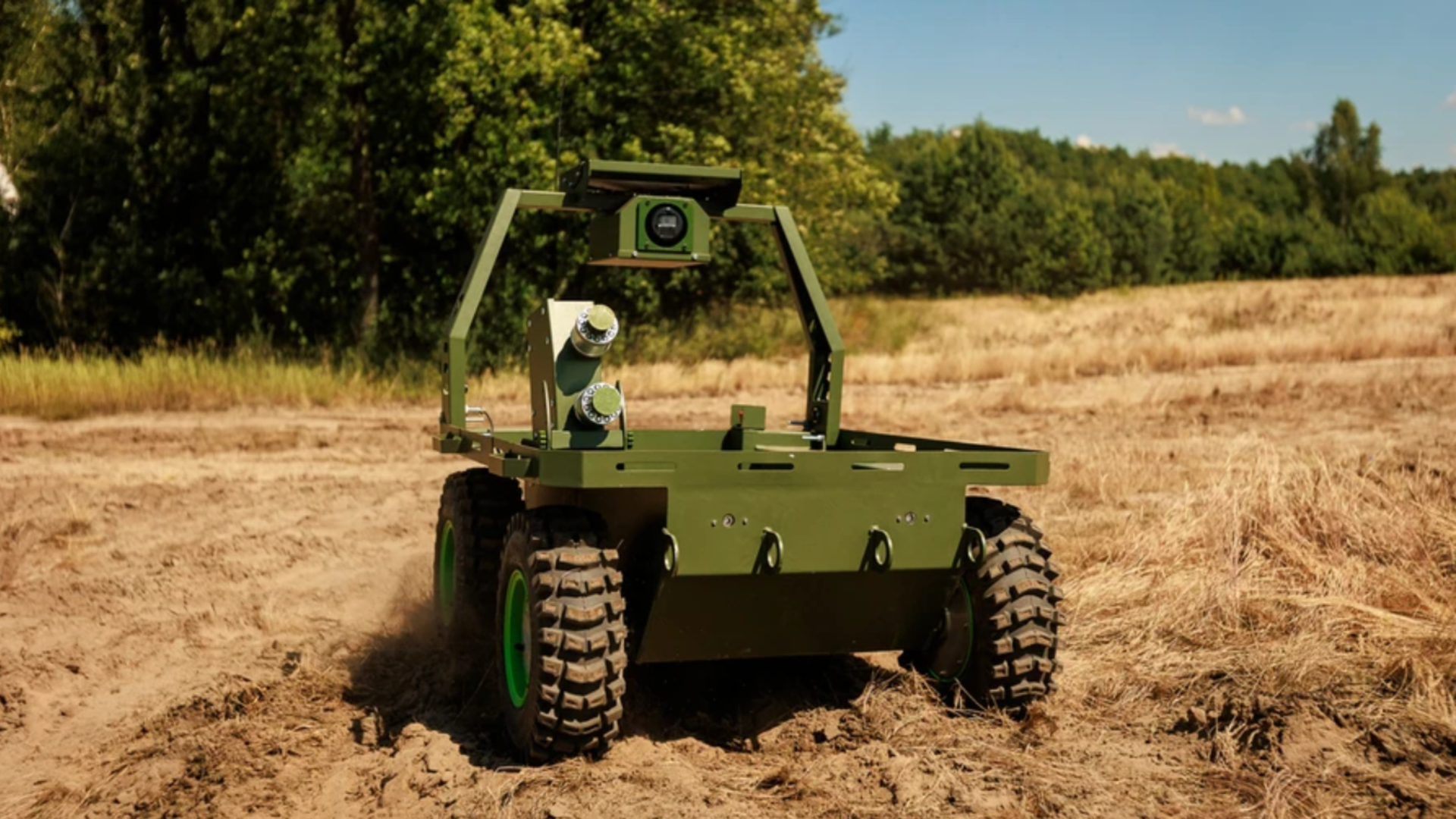
Ukraine's next weapon against Russian drones is this slightly odd tiny robot which fires nets into the air in all directions
A low-slung ground robot firing nets at FPV drones shows how quickly frontline actors are improvising layered autonomy—ground, air, and counter-air. Defense and critical infrastructure operators should assume cheap, specialized counter-robotics will become a standard part of any contested environment.
 Robotics & Autonomy
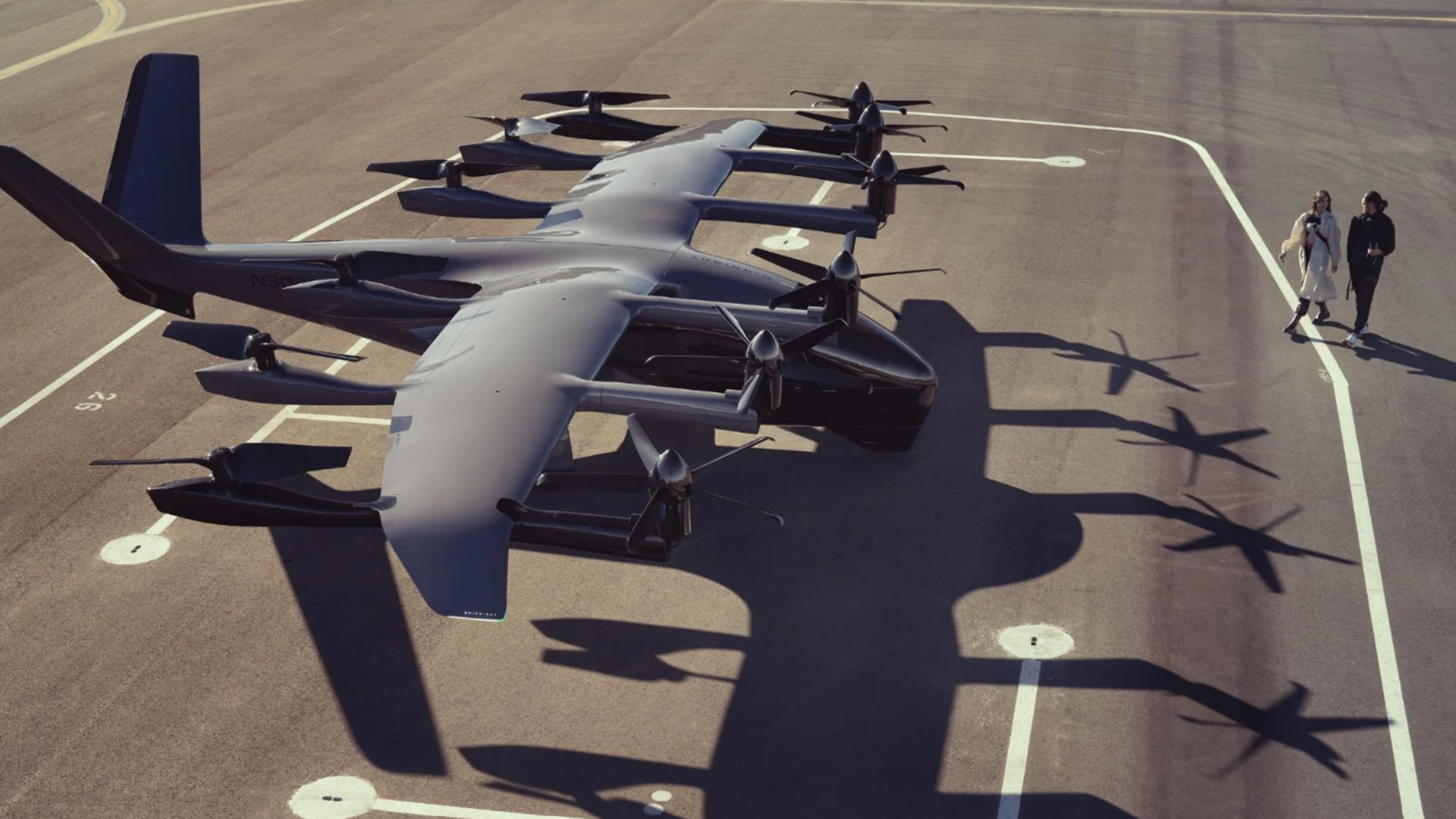
South Korean military signs deal to turn flying taxis into troop transports — and the US Air Force could be next in line
South Korea adapting Archer’s Midnight eVTOL for troop transport is the clearest signal yet that defense is becoming a core customer for advanced air mobility. If you’re building dual-use autonomy or aviation tech, procurement timelines and certification paths now need a defense track alongside commercial.