
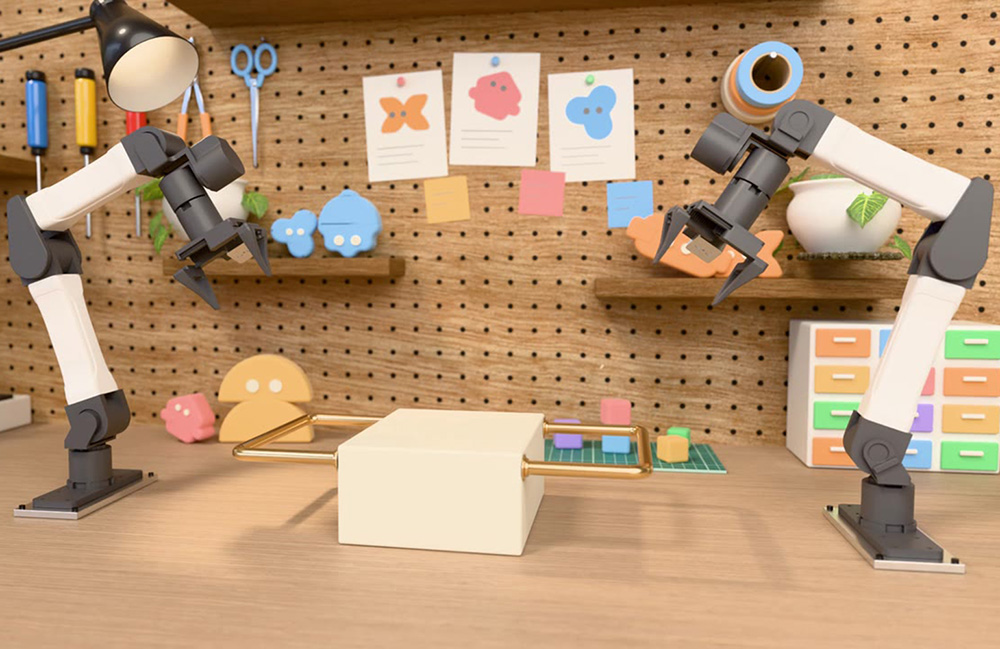
Dream Labs raises $90M and launches Dream API
THE SO WHAT
A $90M raise around a cross-robot Dream-1 model and Dream API is a bet that the control point shifts from hardware to shared policy and learning layers. If you're deploying fleets from multiple robot OEMs, start mapping where a vendor-neutral brain could reduce integration and retraining cost.
READ THE SOURCE
MORE FROM THE WIRE
 Robotics & Autonomy
Meet Mori, a Cute Robot Mushroom That Doesn’t Really Say (or Do) Anything
A camera-on-a-stick disguised as a cute mushroom is user research in hardware form — testing how much ambient sensing people will tolerate in their living rooms. If you’re building home robots, prioritize form factor and emotional comfort as much as capability; the trust battle is aesthetic as well as technical.
 Robotics & Autonomy
Eiliko maker says it’s hiring an ‘independent security firm’ after Verge report on its insecure robots
Consumer AI hardware that logs intimate conversations but ships without basic security is now a reputational and regulatory tripwire, not just a bad look. If you’re putting a mic, camera, or LLM into a toy or gadget, third-party security review needs to be a pre-launch line item, not a crisis response.
 Robotics & Autonomy
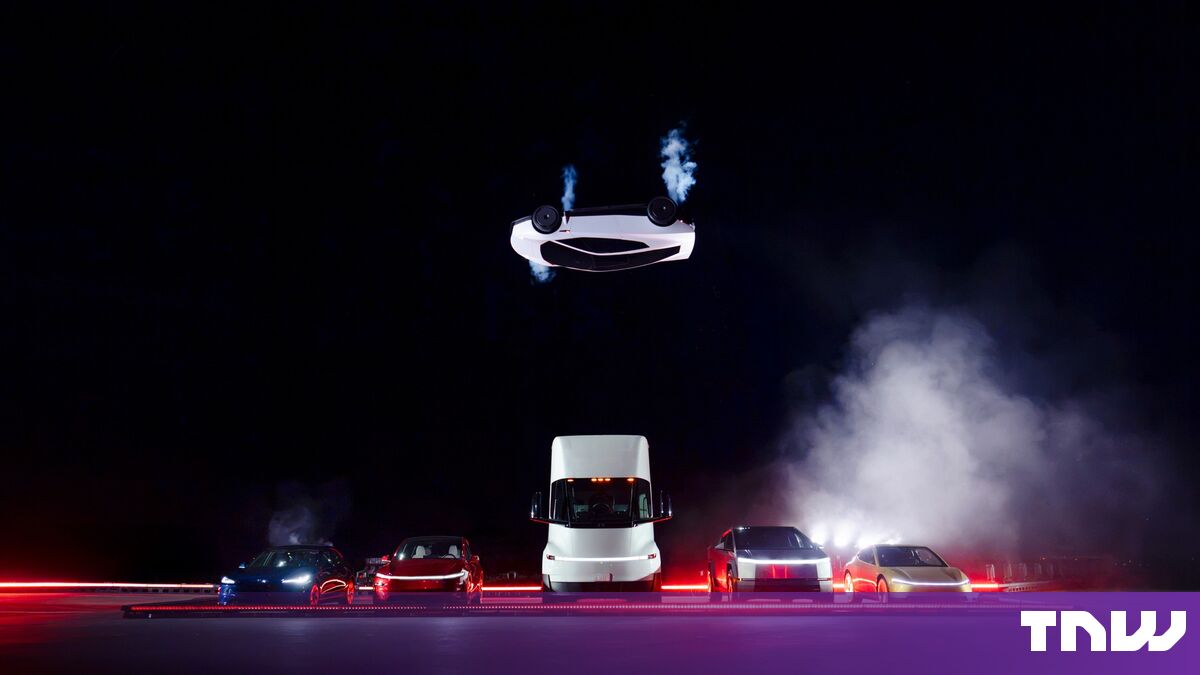
Tesla’s profit falls 43% as it starts building Optimus robots
A 43% profit hit while revenue is flat is Tesla explicitly trading near-term earnings for AI, robots, and autonomy scale. If Optimus moves from line item to product line, every industrial operator will have to reprice what “labor” and “capex” mean on a 3–5 year horizon.
Elon Musk says training Tesla's Optimus robot is like raising a toddler
Framing Optimus training as “raising a toddler” underscores that data collection and human demonstration are the real bottlenecks for general-purpose robots. Any operator considering humanoids should be budgeting for process redesign and on-site “robot training,” not just unit purchases.