

Eka Robotics raises $150M to scale its vision-force-action model for robots
THE SO WHAT
Eka’s $150M bet on a unified vision–force–action model is part of a shift from scripted robotics to learned physical intuition — reinforcement learning at scale as the core asset, not just hardware. Industrial operators should start mapping tasks where contact-rich manipulation matters, because those are the first places these models will compete with human dexterity.
READ THE SOURCE
MORE FROM THE WIRE
 Robotics & Autonomy
Hottest toy for Christmas? Nvidia CEO plays with adorable Microduck robots, 20,000 sell
Twenty thousand voice-controlled Microduck robots moving as toys is an on-ramp—kids are normalizing embodied compute and parents are normalizing connected robots in the home. If you build consumer robotics or physical AI, this is a reminder that distribution may start as play, not productivity.
 Robotics & Autonomy
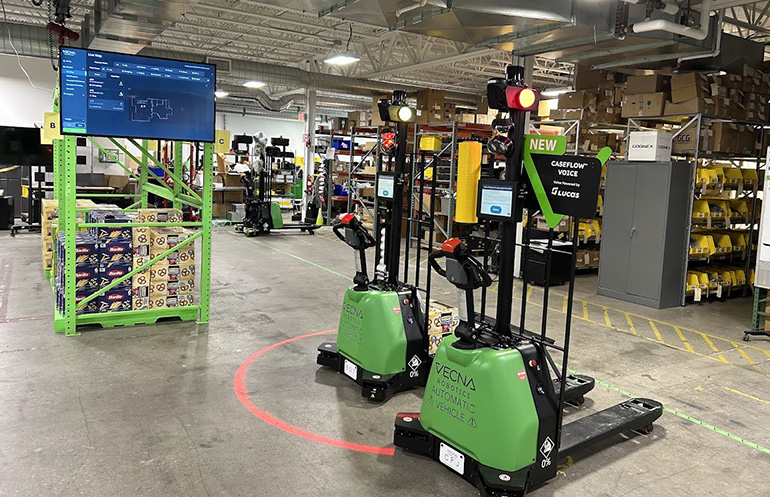
Webinar to discuss how the FCC robotics ruling affects automation buyers
Regulatory friction is now part of the robotics buying decision—FCC rules on connected systems can change what you’re allowed to deploy and where. If you’re planning new automation, get your legal and network teams into the vendor conversation early rather than discovering constraints post-purchase.
 Robotics & Autonomy
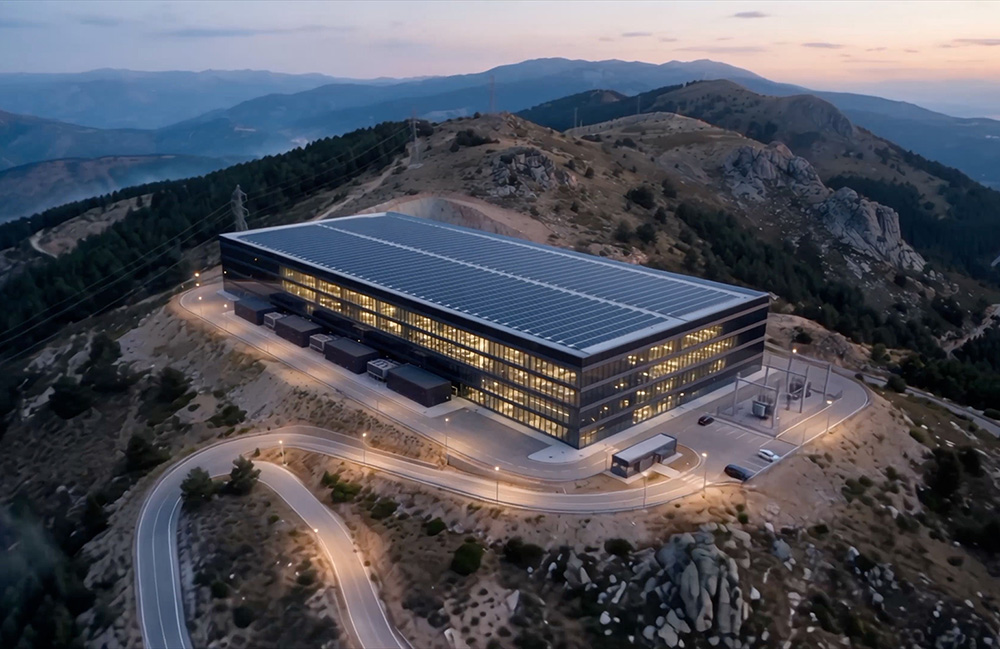
Generative Bionics to launch Physical AI Data Factory in Italy
A dedicated “Physical AI Data Factory” in Italy is Europe’s move to localize humanoid training data—data sovereignty is now about motion capture and interaction logs, not just text and images. Robotics teams building for EU markets should plan for region-specific datasets, compliance regimes, and potentially higher switching costs between platforms.
 Robotics & Autonomy
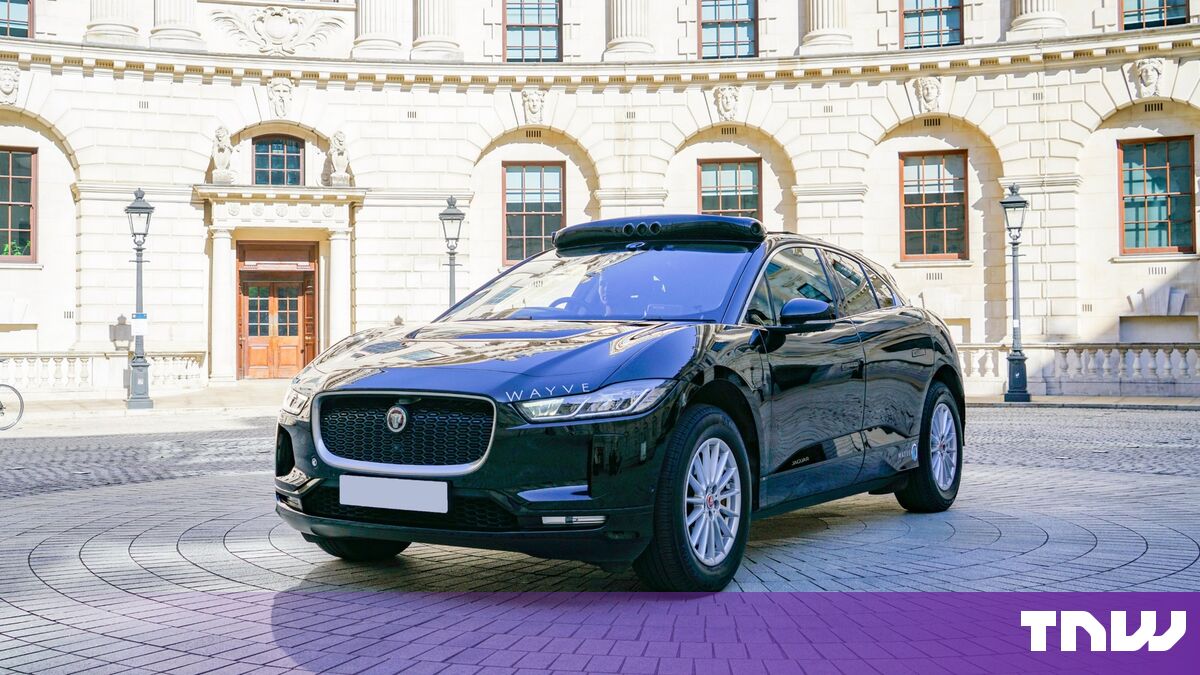
Wayve, Stellantis and Nvidia team up with France on self-driving cars
France is treating AV as a national stack — OEM (Stellantis), autonomy software (Wayve), and compute (Nvidia) aligned with government to push L4-ready platforms across the EU. If you’re in mobility or logistics, assume regulatory and infrastructure momentum in Europe will increasingly favor players plugged into these public–private coalitions.