
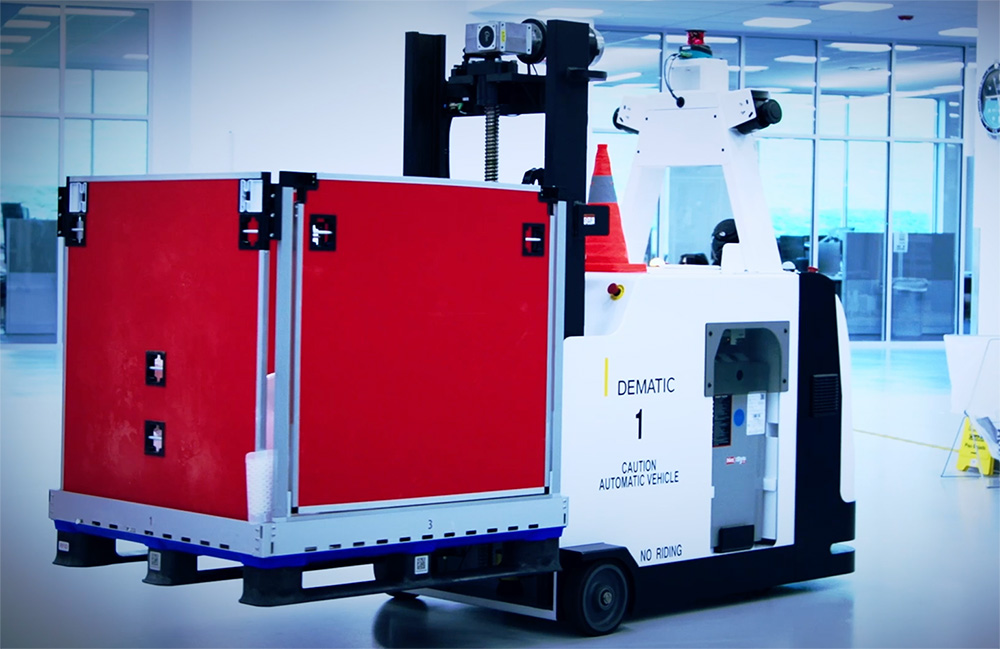
Eli Lilly, Purdue to share field learnings on human robot interaction at RoboBusiness
THE SO WHAT
Eli Lilly and Purdue sharing real manufacturing-floor data on how workers perceive robots is a shift from lab demos to social integration metrics. If you’re piloting automation, treat human–robot interaction and acceptance as first-class KPIs alongside throughput.
READ THE SOURCE
MORE FROM THE WIRE
 Robotics & Autonomy
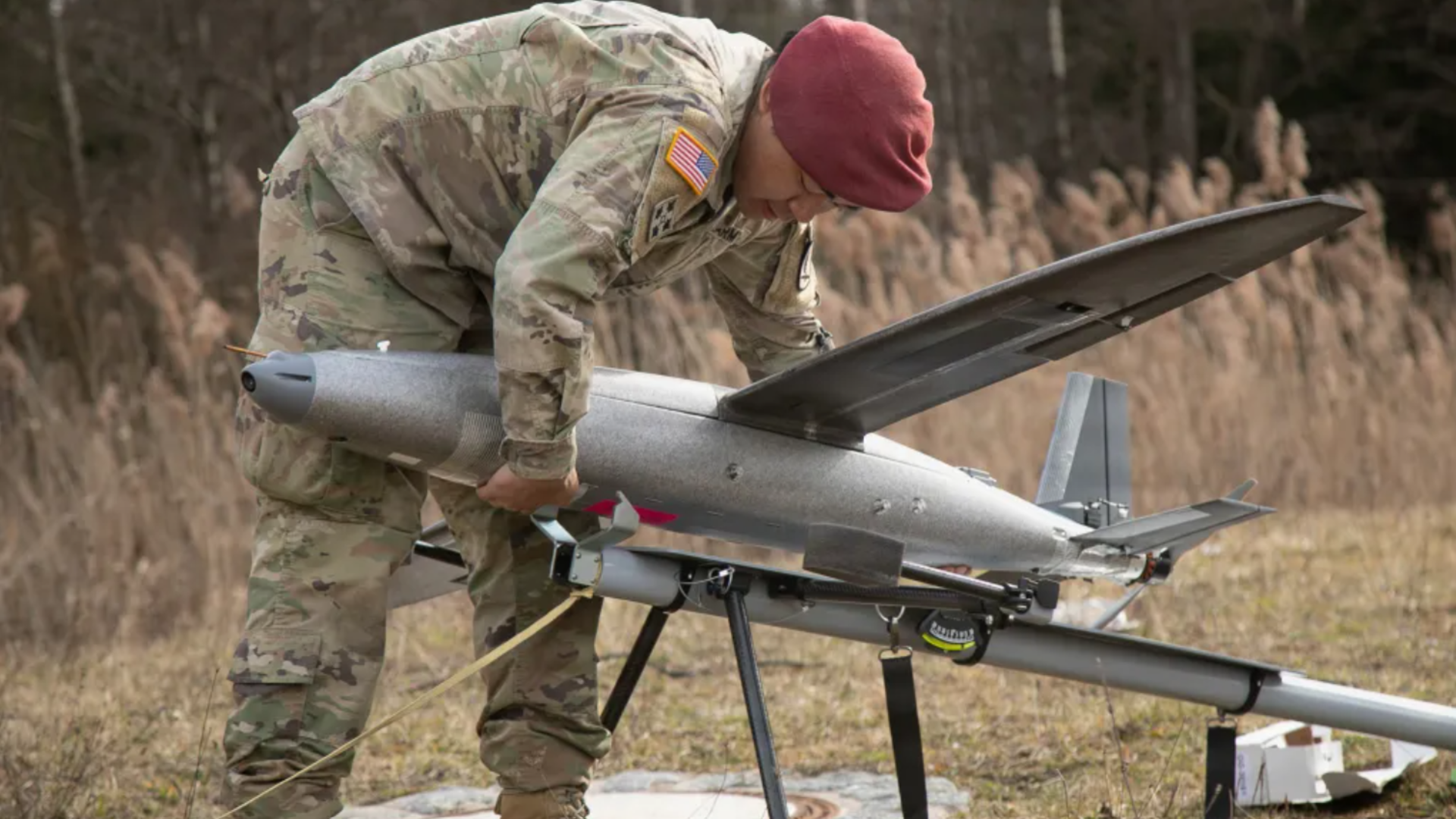
Ukraine drone chief targeted by $20 million Russian bounty warns 'humanity is losing control' as AI becomes a 'digital panopticon'
Frontline operators are already treating AI-enabled drones as a surveillance and strike panopticon—governance is lagging the deployed reality, not the research roadmap. Defense, dual-use, and infra vendors should assume norms and export controls will tighten around autonomous targeting and sensor fusion over the next 12–24 months.
 Robotics & Autonomy
Watch these defunct humanoid robots go full Terminator and dive into molten steel
Figure using decommissioned humanoids as sacrificial testbeds in molten steel is a reminder that real-world robotics is about failure data as much as demos. If you're evaluating physical AI vendors, ask how they retire and stress-test hardware—not just how they perform in polished videos.
 Robotics & Autonomy
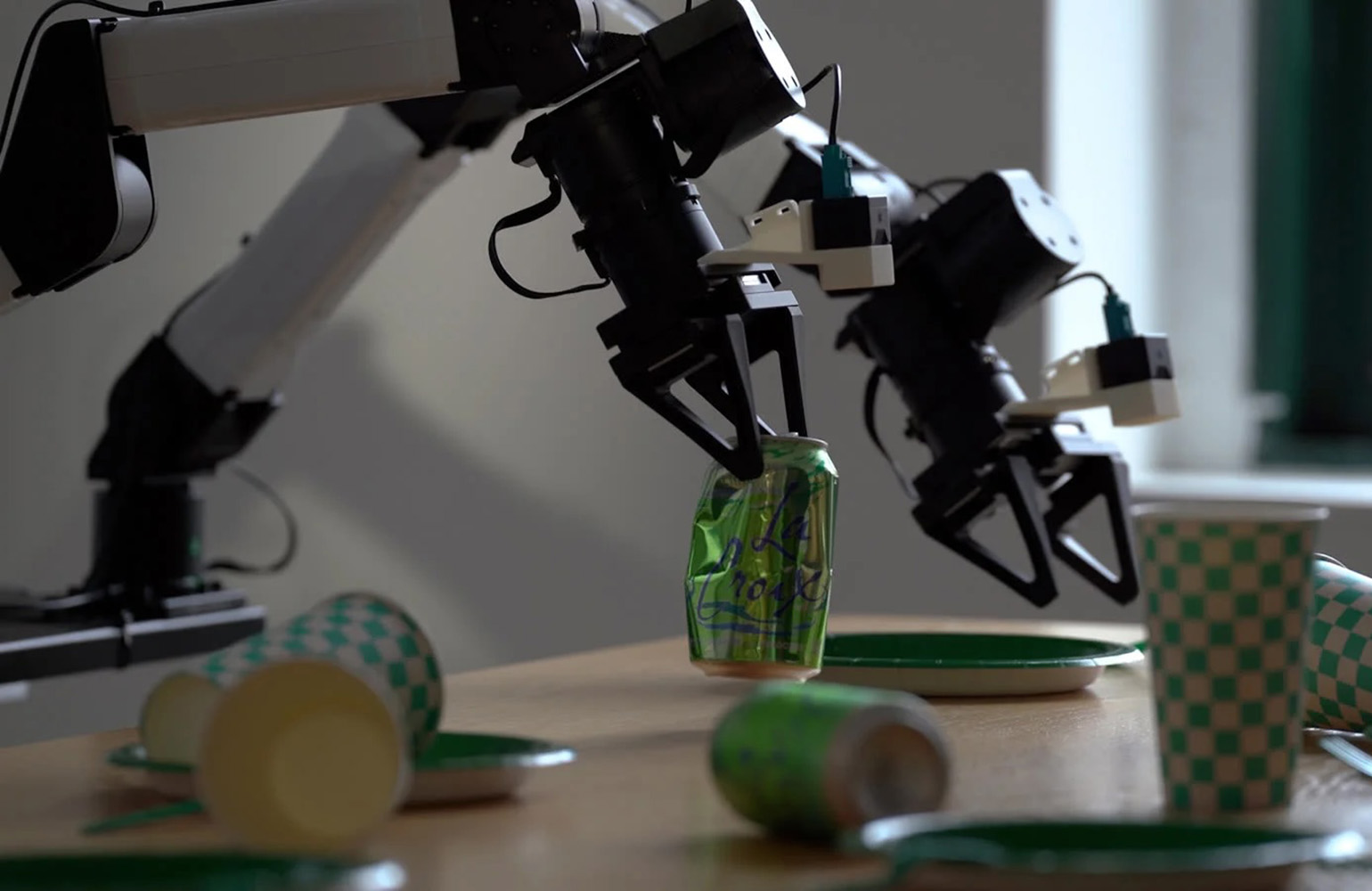
Runway introduces Praxis-1 world action model for robotics
An open-weights world action model like Praxis-1 blurs the line between media AI and robotics, giving smaller teams a starting point for embodied agents. If you’re in robotics, this is a nudge to reassess how much of your stack is proprietary control logic versus commodity learned behavior.
 Robotics & Autonomy
German Army to Start Training With New Attack Drones Next Month
Germany training with Helsing and Stark Defence attack drones is another data point that autonomous and semi-autonomous systems are moving from R&D to doctrine. Defense and dual-use vendors should expect faster procurement cycles but also tighter scrutiny on autonomy levels, data links, and export controls.