

Emergent no-code review
THE SO WHAT
Another no-code tool with its own IDE points to convergence: visual builders wrapped around real development environments. For operators, the question isn’t which no-code vendor wins—it’s how you standardize on a small set that your engineering team is willing to support long term.
READ THE SOURCE
MORE FROM THE WIRE
 Applied AI
Meta Is Building a Cloud Business to Sell Excess AI Compute
Meta turning excess AI capacity into a cloud business adds another hyperscale option for training and inference — and a buyer for its in-house silicon economics. Infra teams should treat this as early but real leverage in GPU pricing and model-hosting negotiations over the next 12–24 months.
 Applied AI
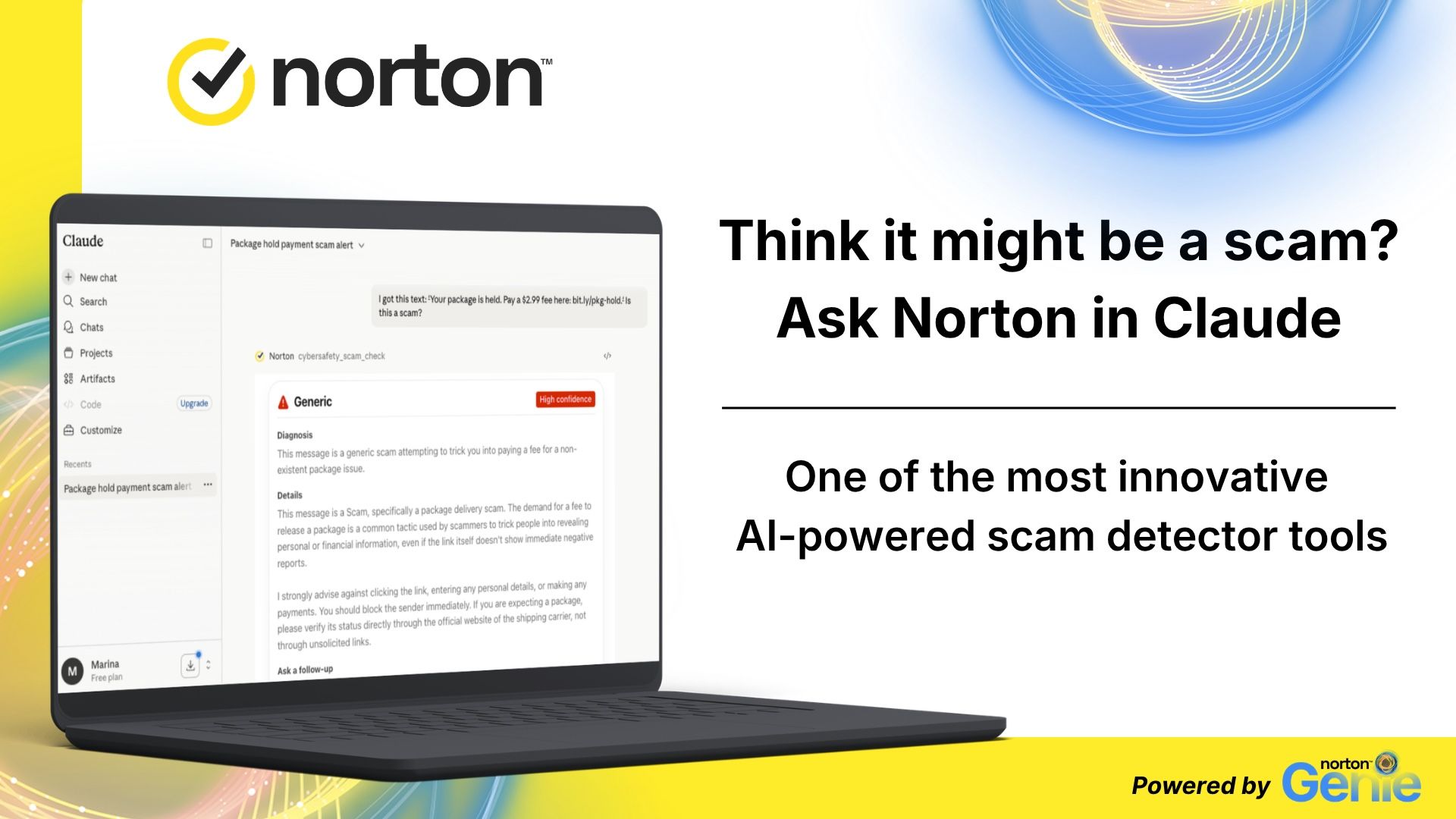
This new tool can let you ask Claude if that 'too good to be true' online offer is actually a scam
Norton wiring scam detection directly into Claude is another move toward AI as the first-line fraud filter for consumers. If you run consumer-facing products, expect users to start pasting your flows into assistants — design copy, pricing, and auth flows assuming an AI intermediary is evaluating trustworthiness.
Applied AIOne in five U.S. companies is now using AI, but the impact on the job market remains narrow, say Goldman analysts
With AI usage at 20.6% of U.S. firms and labor impacts still narrow, the near-term story is productivity experiments, not mass displacement. Leaders should treat this as a window to run targeted pilots and redesign workflows before adoption jumps from one-fifth of companies to a majority.
 Applied AI
Google built a great smart speaker, but Gemini isn’t ready for it
A strong Google smart speaker hamstrung by Gemini’s current behavior shows the hardware is ahead of the assistant UX. For anyone building on top of home assistants, treat 2026 as an integration and experimentation year — not yet the moment to bet core workflows on always-on conversational agents in the kitchen.