
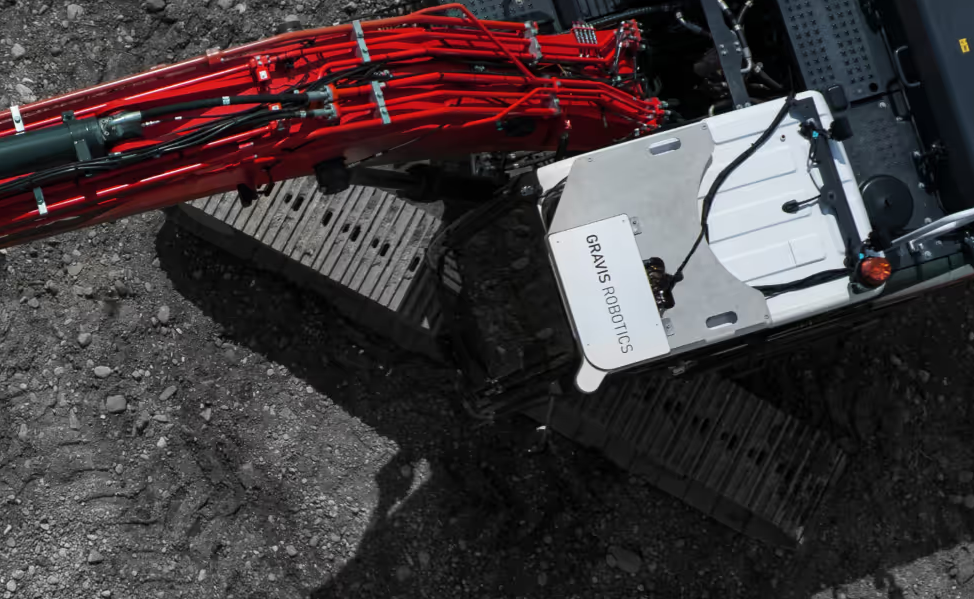
ETH Zurich spinout Gravis Robotics raised a $200M Series A from SoftBank to scale Gravis Rack, a retrofit autonomous control appliance that mounts on excavators
THE SO WHAT
A retrofit control rack for excavators getting $200M validates autonomy-as-upgrade kits over greenfield robots in heavy industry. If you manage capital-intensive fleets, the strategic question shifts from “when do we buy robots?” to “which machines can we convert first, and how does that change site staffing?”
READ THE SOURCE
MORE FROM THE WIRE
 Robotics & Autonomy
Gravis Robotics hits $1bn valuation with $200m investment from SoftBank
SoftBank putting $200M behind Gravis at a $1B valuation is a bet that autonomy in construction is ready to move from pilots to line items. If you touch heavy equipment or jobsite workflows, assume software-first autonomy will be a procurement question in the next planning cycle.
Robotics & AutonomySoftBank Invests $200 Million in Construction Startup Gravis Robotics
SoftBank’s $200M into Gravis Robotics is another data point that autonomy in construction is being treated as infrastructure, not a side bet. Contractors and OEMs who haven’t mapped where software can sit between operators and machines are now on the back foot in negotiations.
 Robotics & Autonomy
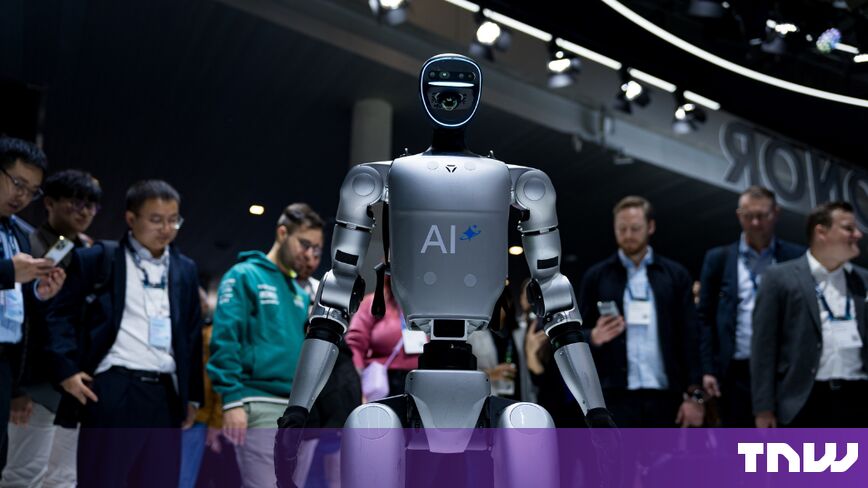
Unitree, China’s humanoid robot champion, lists in Shanghai on 19 August after record demand
Unitree’s STAR Market IPO with record demand means public markets are now underwriting general-purpose humanoids, not just VCs. If you run industrial or logistics operations in China or adjacent supply chains, assume humanoid pilots will be on the table sooner than your HR plans expect.
First came self-driving cars. Now, Waymo veterans are building autonomous construction equipment.
Waymo veterans moving into autonomous excavators in Texas and Nevada shows AV talent is pivoting from robotaxis to revenue-positive verticals. Construction firms should start treating autonomy as a competitive lever on project timelines and labor exposure, not a distant R&D topic.