

Everyone can find a reason to dislike data center construction
THE SO WHAT
Two years of local fights over AI data centers in Pennsylvania show that power, water, and community tolerance are now as constraining as chips. If your roadmap assumes ‘just add more compute,’ you need a siting and permitting strategy—or a plan for efficiency and hybrid deployments—baked into capacity planning.
READ THE SOURCE
MORE FROM THE WIRE
 Deep & Emerging Tech
Singapore’s Nexstrom wants to bring 2D semiconductors to chip fabs
If Nexstrom can make 2D materials manufacturable at scale, it opens a new knob for performance and power beyond current silicon roadmaps. Chip and systems teams should track whether this moves from lab to pilot lines—design bets made now may age fast if 2D processes become a foundry option.
 Deep & Emerging Tech
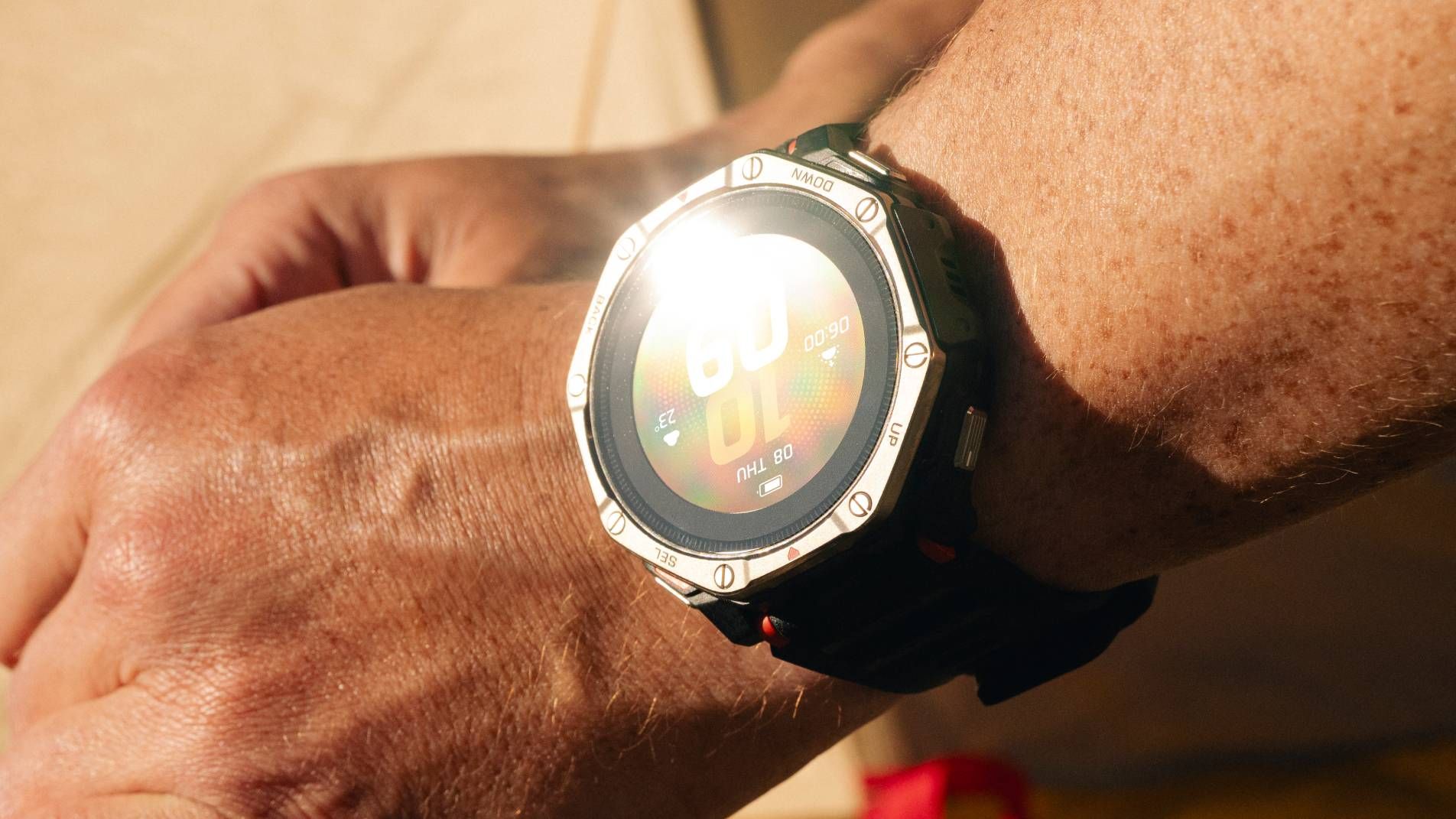
Amazfit's new solar-powered AMOLED smartwatch aims to rival Garmin
A solar-assisted AMOLED watch that can be worn inside-out for maximum light absorption shows how far energy harvesting is creeping into consumer devices. If you build wearables or edge sensors, assume users will start expecting multi-week battery life and ‘free’ power as standard, not premium, features.
 Deep & Emerging Tech
The Future Is Fanless: 100% Heat Capture for Liquid Cooled AI Servers
Once you cross ~250 kW per rack, hybrid cooling breaks down—full liquid and fanless designs turn thermal management into an energy asset, not just a cost center. If you’re planning dense AI clusters, cooling architecture is now a board-level capex decision tied directly to power contracts and site selection, not an afterthought for facilities.
 Deep & Emerging Tech
Data Center Firm Accelevation, Backer Seek $720 Million in IPO
A $720 million IPO for a data center infrastructure player is more evidence that AI demand is being capitalized as hard assets—racks, shells, and power. If you’re planning AI-heavy growth, secure physical capacity and partners now; the cost of being late will show up as delayed deployments, not just higher cloud bills.