
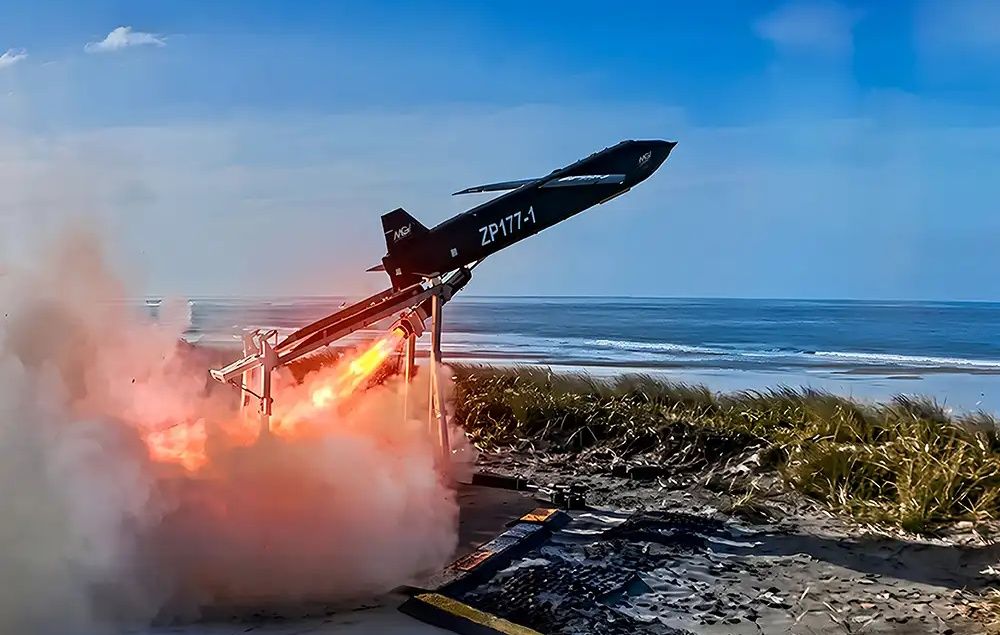
Ex-British F1 engineers build a cheap 466-MPH kamikaze drone
THE SO WHAT
F1 engineers spinning up a 466 mph single-use strike drone shows how motorsport and defense are converging on high-performance, low-cost autonomous systems. Any dual-use hardware or autonomy stack you build should assume rapid militarization pathways and the regulatory scrutiny that follows.
READ THE SOURCE
MORE FROM THE WIRE
 Robotics & Autonomy
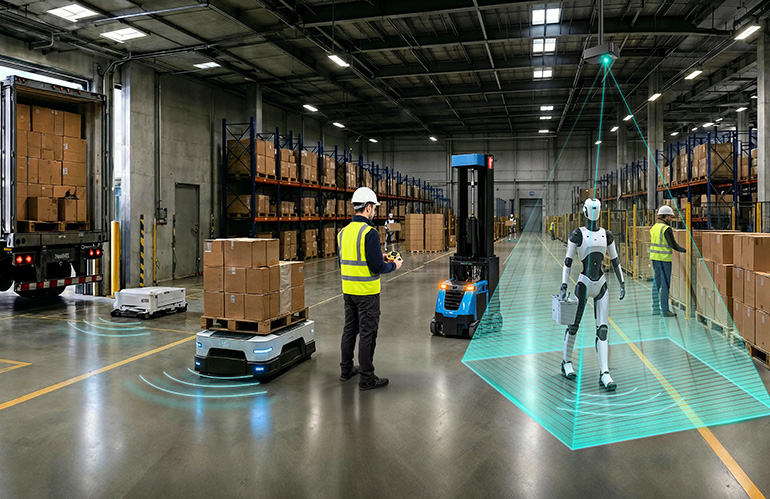
FORT Robotics to take safety stack public via SPAC merger
A $500M SPAC for a robotics safety stack vendor says “safety” is being carved out as its own product layer, not a feature. If you deploy or build autonomous systems, expect dedicated safety platforms to sit between your robots and your operations—and budget for that control point.
 Robotics & Autonomy
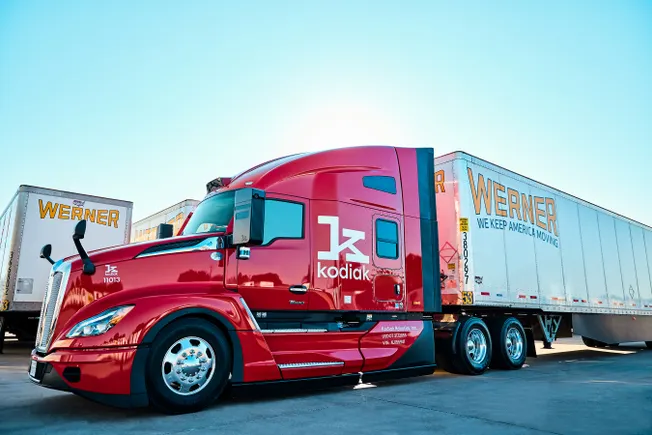
Kodiak to launch autonomous testing on public roads in California
Kodiak moving autonomous tests onto California public roads is another step toward long-haul driverless freight becoming a normalized part of interstate logistics. Shippers and carriers on West–to–Texas lanes should start modeling rate and service scenarios where autonomous capacity is a meaningful share of available trucks.
 Robotics & Autonomy
Tesla is preparing to launch the Cybercab soon
If Tesla’s Cybercab robotaxi launches on any real scale, city mobility planning and TNC economics get a new variable overnight. Fleet operators, insurers, and municipalities should be scenario-planning for mixed human/AV streets and new pricing models rather than assuming today’s rideshare status quo holds.
 Robotics & Autonomy
Drones With Claws Perch on Arctic Icebergs
Drones using microspine claws to perch on Arctic icebergs extend flight time and sensing reach in places where human access is costly or impossible. For environmental monitoring, energy, and defense operators, this kind of “perch and observe” autonomy opens up new inspection and surveillance patterns in extreme environments.