
Ex-OpenAI robotics lead’s factory startup in insolvency proceedings
THE SO WHAT
Early insolvency for a high-profile factory robotics startup is a warning that industrial autonomy still lives and dies on unit economics and integration friction, not pedigree. Robotics founders should assume longer sales cycles, higher deployment overhead, and design capital plans accordingly.
READ THE SOURCE
MORE FROM THE WIRE
 Robotics & Autonomy
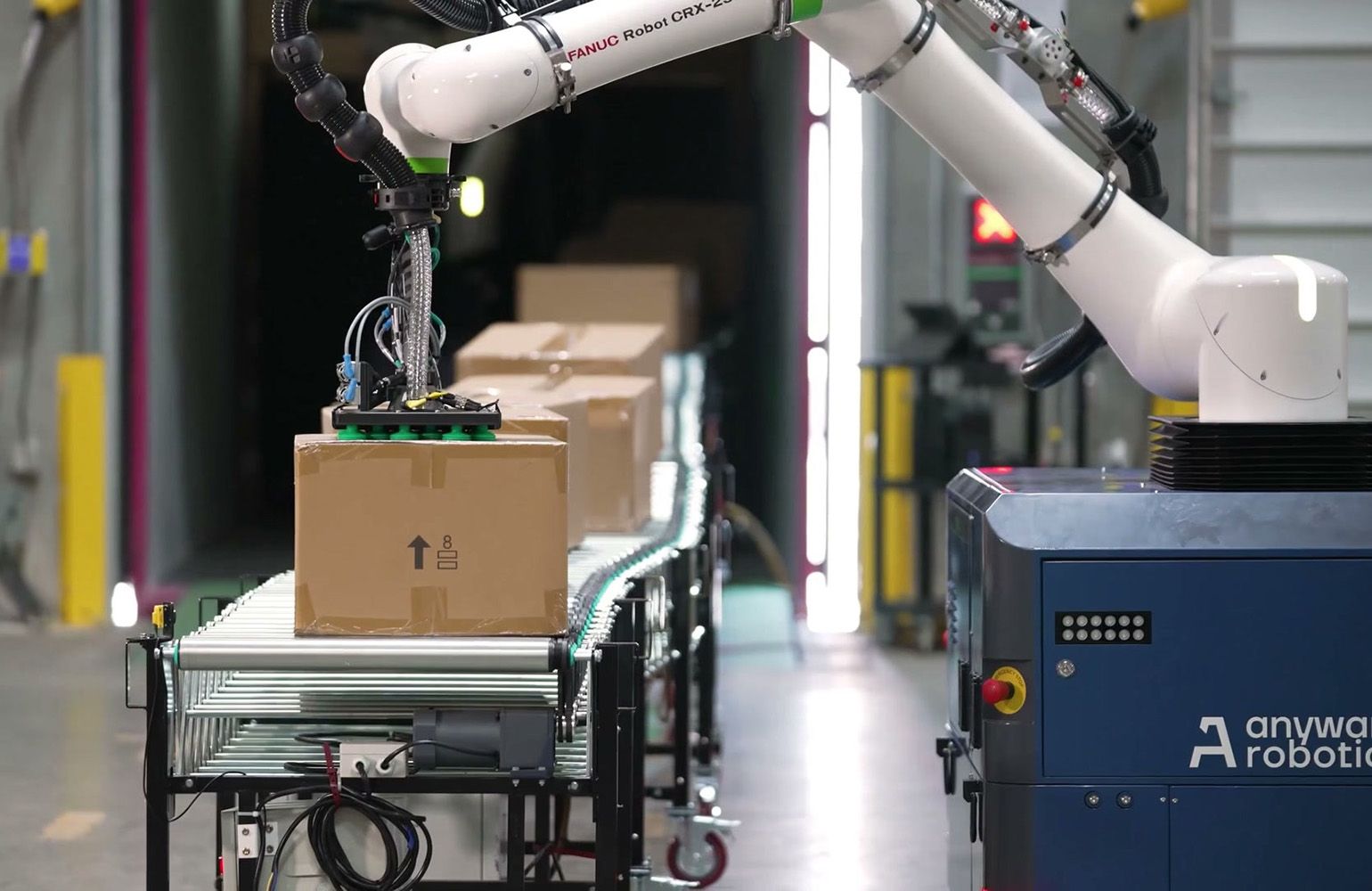
China's Delivery Robots Are Learning to Tackle the Night Shift
If Chinese AV firms crack reliable after‑dark delivery, utilization jumps and unit economics move from pilot to viable in dense urban corridors. Retail and logistics operators should start modeling a world where late‑night last‑mile is priced as a near‑zero marginal cost service, not a premium.
 Robotics & Autonomy
SafeWorld emerges from stealth to build, deploy robot safety simulation technologies
Dedicated robot safety simulation platforms mean the gating factor for deployment shifts from hardware maturity to validated test coverage. If you’re rolling out robots on factory floors or warehouses, budget for simulation and safety tooling as a first-class line item — not an afterthought bolted onto the integrator’s quote.
 Robotics & Autonomy
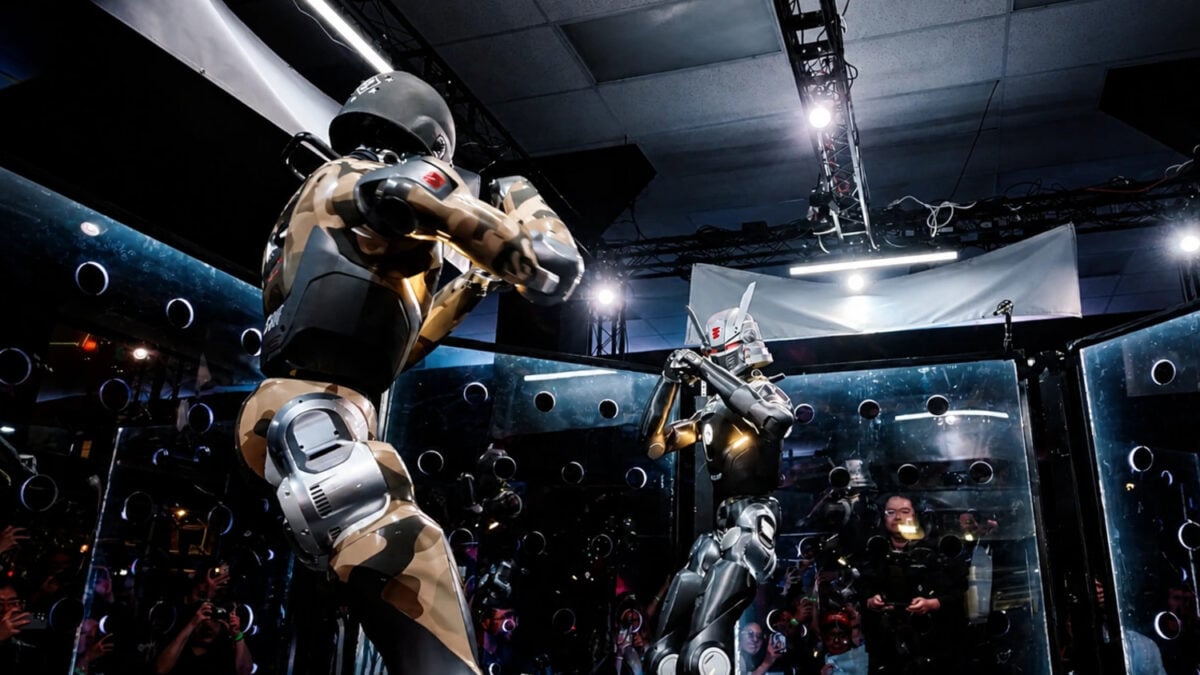
California is trying to shut down robot vs. human cage matches
Regulators stepping in on robot–human cage matches is less about spectacle and more about drawing early lines on how humanoids interact with people in public venues. If you’re piloting physical robots in consumer-facing settings, treat safety, liability, and optics as first-class design constraints, not afterthoughts.
 Robotics & Autonomy
The Tech Bros Are Putting Swords on Robots and ‘Democratizing MMA’
Weaponized entertainment robots are a reputational and regulatory accelerant for the entire robotics sector. If you’re building serious industrial or service robots, tighten your safety narrative and distance your brand from stunt deployments before policymakers lump everything together.