

Ex-Tesla Optimus scientist launches UMA to build Europe’s humanoid robot
THE SO WHAT
A former Optimus lead building UMA’s Northstar in Paris is Europe’s bid not to outsource general-purpose robotics to US and Chinese stacks. Industrial operators in the EU now have a local humanoid vendor to engage early on data, safety, and labor integration terms that fit their regulatory environment.
READ THE SOURCE
MORE FROM THE WIRE
 Robotics & Autonomy
Tesollo initiates IPO process while developing humanoid hands
A robotic hand specialist heading for IPO is a sign that capital markets are willing to underwrite narrow but critical pieces of the humanoid stack. If you’re betting on general-purpose robots, track which component vendors are maturing into stable, public suppliers versus startups that may disappear mid-integration.
 Robotics & Autonomy
UN Secretary-General António Guterres calls for autonomous "killer robots" to be "banned by international law", a central issue in the US DOD-Anthropic clash
When the UN Secretary-General calls for a legal ban on lethal autonomous weapons, autonomy moves from a pure tech race into a contested regulatory and ethical domain. Defense-adjacent AI teams should assume tighter scrutiny, slower approvals, and the need for explicit policy positions on where they will and won’t deploy autonomy.
 Robotics & Autonomy
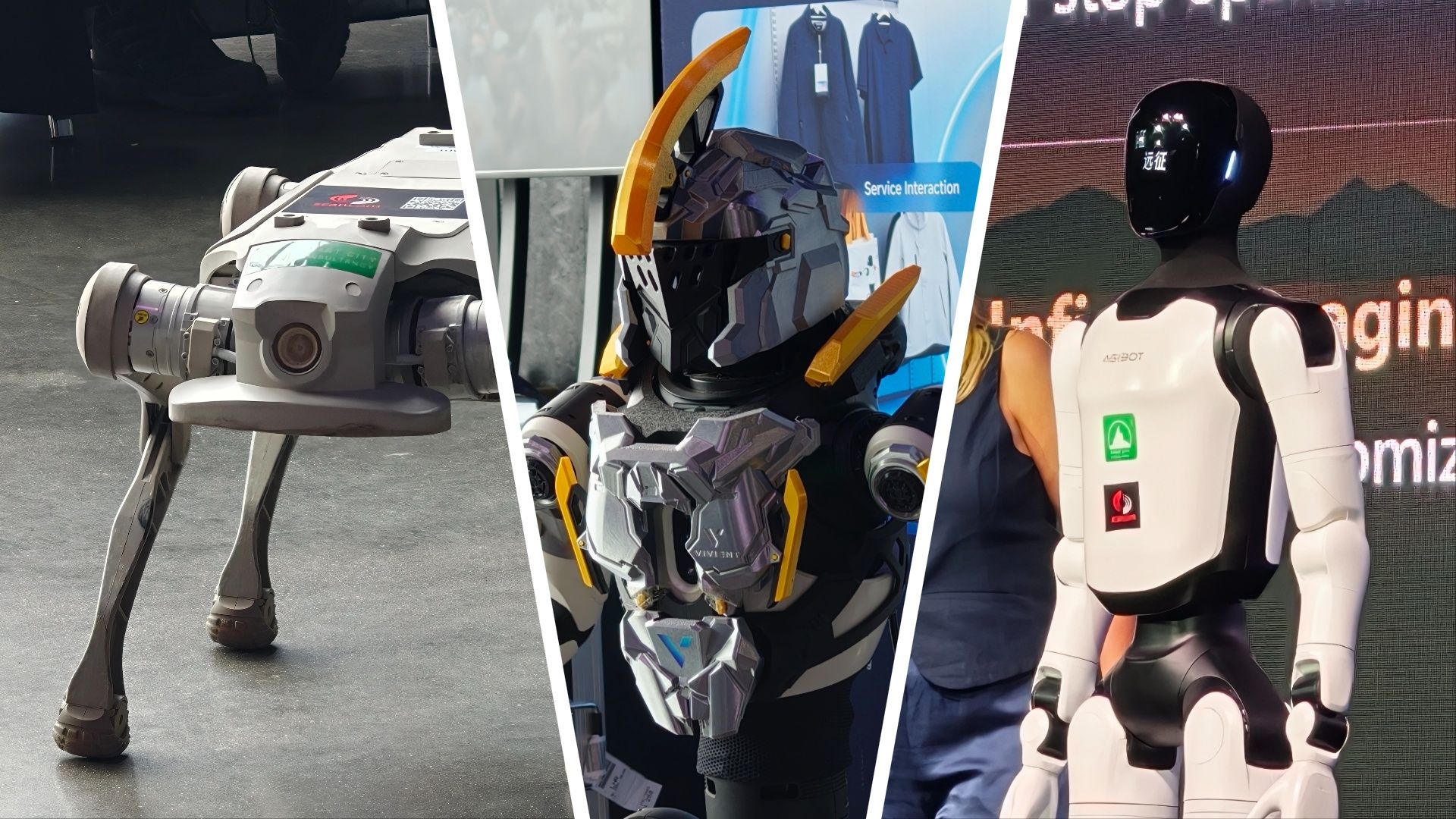
‘Robots should understand you, talk to you, and work for you’: Chinese robotics company Agibot is heralding a robot revolution — I met the ‘humanoids’ up close
Humanoids showing up in UK demos is less about spectacle and more about normalizing robots as conversational co-workers in Western markets. If you run logistics or light manufacturing, you should be mapping which tasks could move to a speech-and-vision-first robot in the next 3–5 years.
One robotaxi player has grown its share of users so far in 2026 — and it's not Waymo
Zoox doubling active users while expanding into major U.S. cities shows the robotaxi market isn’t locked—deployment footprint and service design still matter more than first-mover status. City regulators and fleet operators should plan for a multi-vendor autonomy environment, not a single dominant provider.