

EXL acquires physical AI model developer iMerit
THE SO WHAT
Data and labeling players moving into “physical AI models” is a bet that robotics and embodied systems will need their own training and eval stacks. If you’re deploying robots, start asking vendors how they source, label, and update physical-world data—not just how many demos they can show.
READ THE SOURCE
MORE FROM THE WIRE
 Robotics & Autonomy
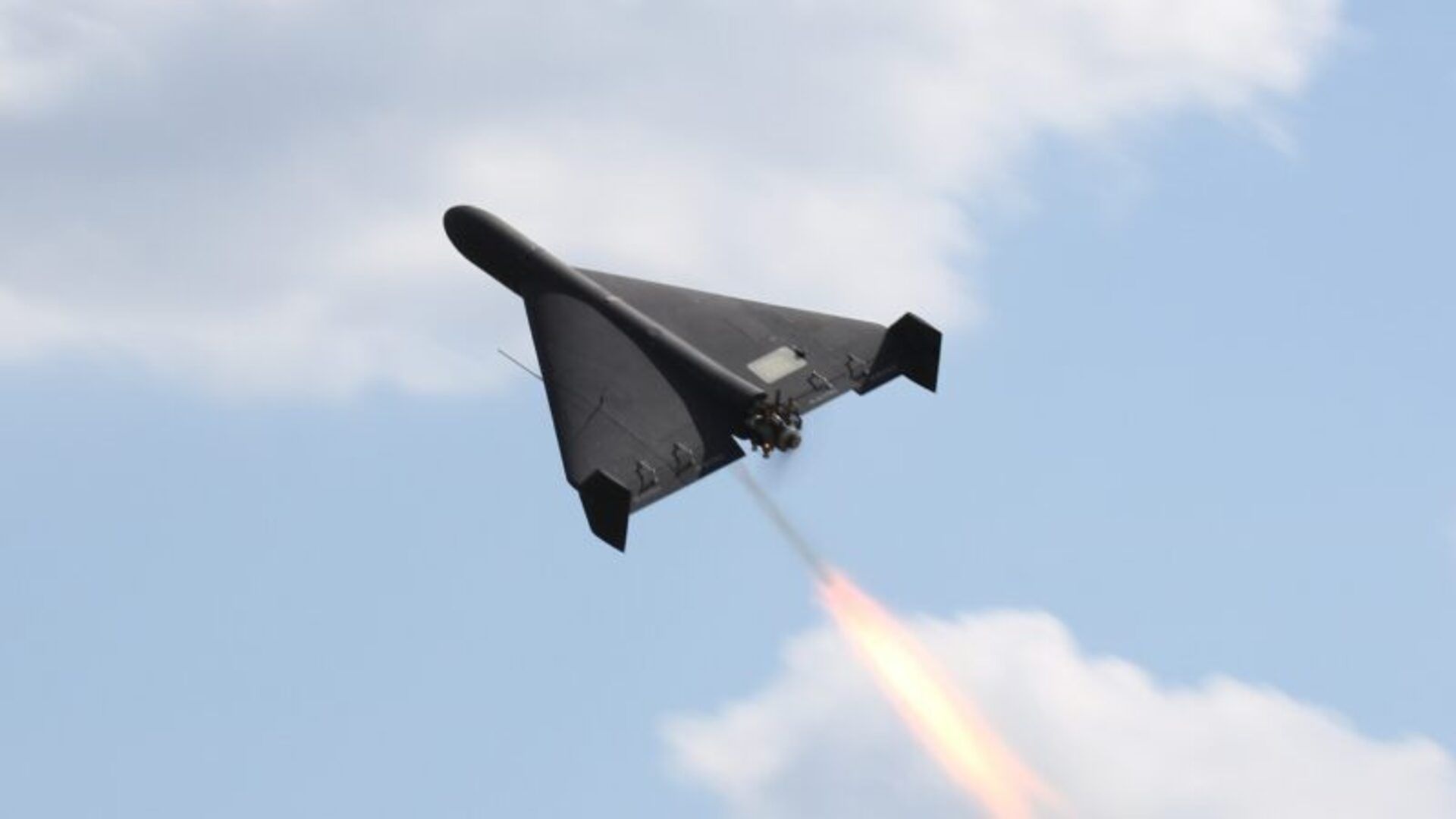
Russia says it will start selling its 'suicide drone' to foreign nations — but won't name them
Long-endurance loitering munitions like the Garpia-A1E going export-grade means more regions will have cheap, precise, asymmetric airpower on tap. Critical infrastructure, logistics hubs, and high-value facilities need to assume access to this class of drone and harden detection, dispersion, and redundancy accordingly.
Hugging Face says its roller-skating robot duck scored $2.6 million in orders in 24 hours
$2.6 million in Microduck orders in 24 hours shows there’s real demand for low-stakes, approachable robotics — even if today it’s mostly novelty. For robotics teams, this is a signal to invest in developer ecosystems and playful form factors as on-ramps to more serious deployments.
 Robotics & Autonomy
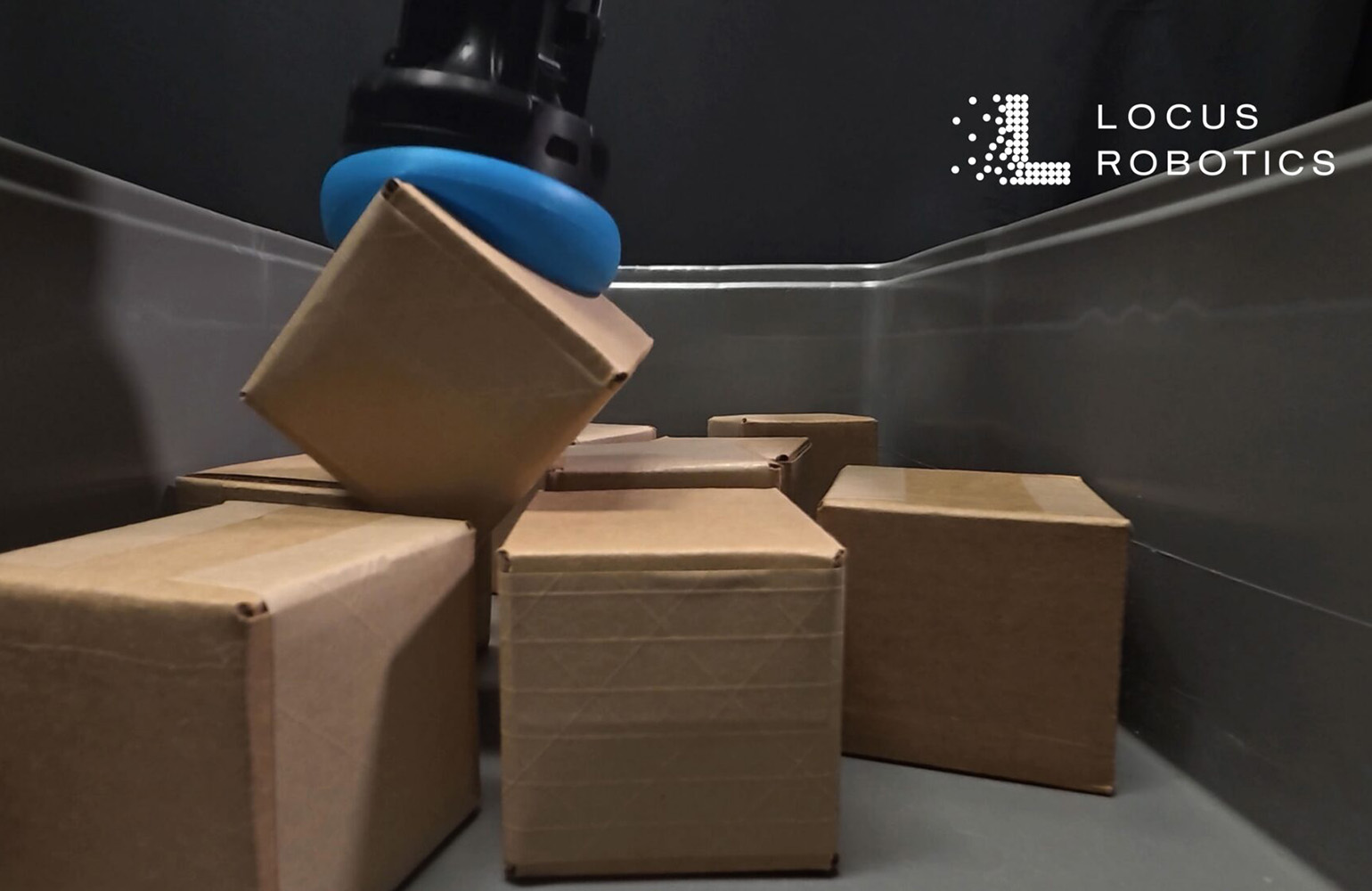
How Locus is getting a grasp on one of robotics biggest challenges: manipulation
Locus buying Nexera’s soft-picking tech is a bet that manipulation—not just navigation—is the next bottleneck in warehouse automation. If you run fulfillment, expect robots to move from moving totes to handling more of the long tail of items, which changes how you think about slotting, packaging, and human roles on the floor.
 Robotics & Autonomy
Roborock’s Qrevo 2 Pro robot vacuum officially launches in the U.S., and its already on sale
A $549.99 launch promo for a high-spec robot vacuum is another data point that consumer robotics is competing on price and perceived intelligence, not novelty. If you’re in home devices, assume users now expect some level of autonomy as table stakes, not a premium feature.