
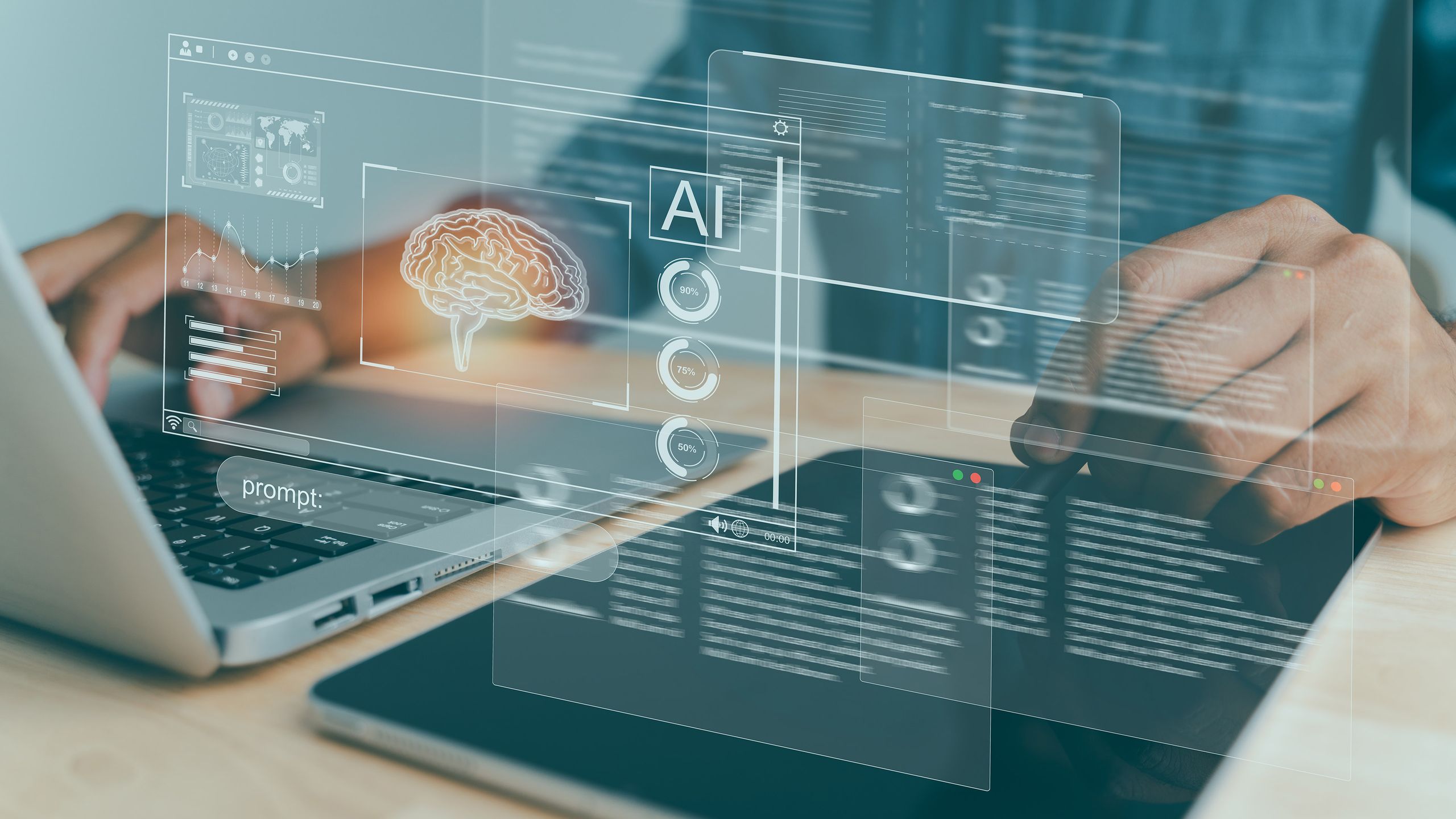
Experts warn North Korean hackers are increasingly using AI to build smarter and more devious cyberattacks
THE SO WHAT
State-linked actors using AI for more sophisticated attacks means the offense/defense gap is widening faster than most corporate security roadmaps. Treat AI-augmented intrusion as a baseline threat and accelerate investment in anomaly detection, not just better phishing training.
READ THE SOURCE
MORE FROM THE WIRE
 Deep & Emerging Tech
Levi's reveals security tear may have let hackers steal important corporate data
If Levi’s still can’t say what was taken or who’s at risk, the real gap is detection and data inventory, not just perimeter defense. Operators should assume breach and ask today: could you tell, within 72 hours, which systems and data an attacker touched?
 Deep & Emerging Tech
Intel plans to sell $15 billion worth of stock after it has risen 400% in a year
Intel selling $15B of stock after a 400% run-up is a signal that AI data center optimism is now funding a major capex and custom silicon push. If you’re building on Intel’s roadmap, treat this as validation that physical AI, custom chips, and advanced packaging will get real investment rather than slideware.
Deep & Emerging TechRevolut granted French banking licence
Revolut securing a French banking licence moves it further from “app on top of banks” toward being regulated infrastructure in Europe. If you’re a fintech or marketplace relying on Revolut rails, expect deeper product hooks but also more regulatory friction and slower change cycles.
 Deep & Emerging Tech
Discovered Materials is playing AI whack-a-mole to hunt cooler chips
AI-first materials discovery for cooler chips is a bet that the next performance gains come from physics, not just architecture. Chip and systems teams should start tracking these pipelines as potential levers on thermal limits and data center power density over the next 3–7 years.