

Feds demand autonomous vehicle companies stop interfering with first responders
THE SO WHAT
NHTSA’s stance that emergency scenes are not ‘edge cases’ but must be handled reliably forces AV companies to harden behavior in the messiest parts of the real world. If you operate AV fleets, expect more scenario-specific compliance tests and adjust your deployment maps and safety cases before regulators do it for you.
READ THE SOURCE
MORE FROM THE WIRE
 Robotics & Autonomy
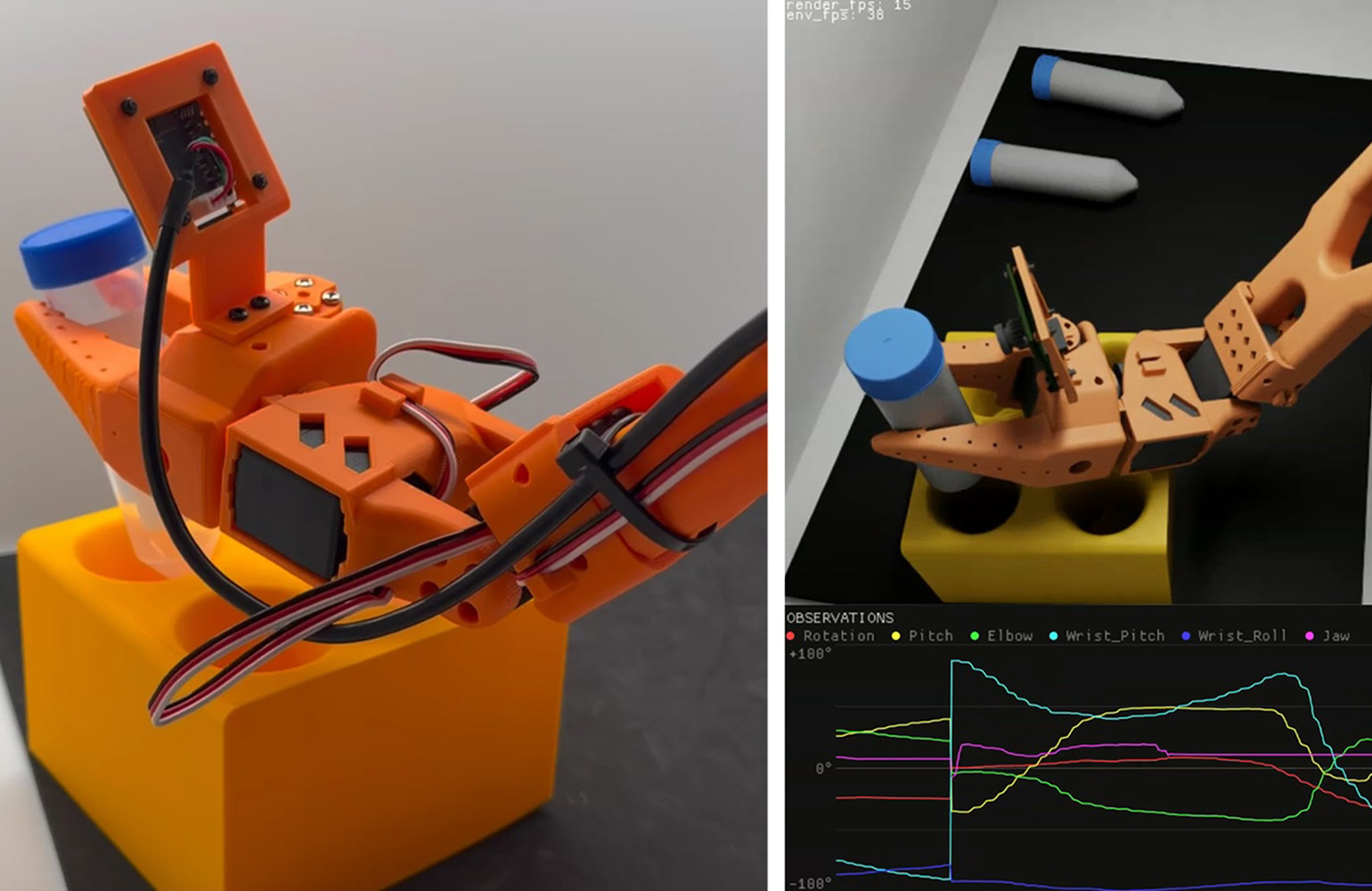
NVIDIA and Hugging Face bring new models and frameworks to LeRobot
NVIDIA and Hugging Face expanding LeRobot with new models and frameworks pushes robotics closer to the LLM playbook — shared datasets, policies, and workflows instead of bespoke stacks. If you’re building physical automation, assume your differentiation has to move up to task design, data, and integration rather than low-level control.
 Robotics & Autonomy
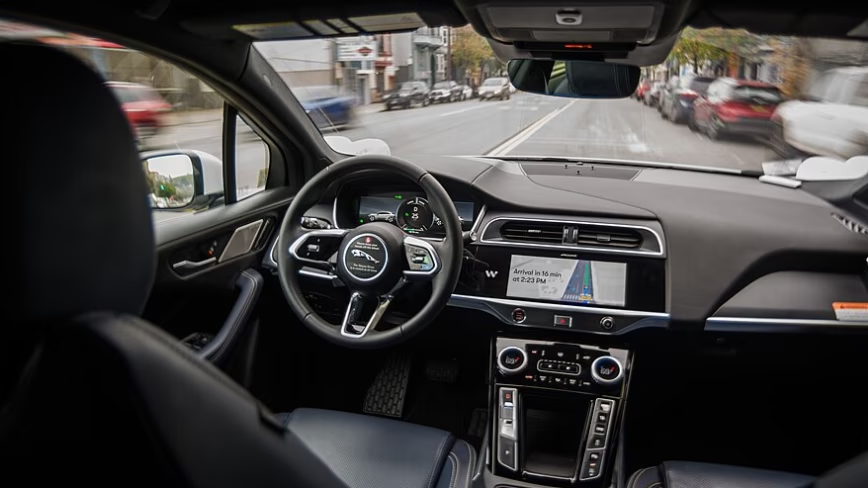
NHTSA demands autonomous vehicle companies fix first responder interference by end of July
US regulators giving AV developers until the end of July to fix interference with first responders makes ‘edge cases’ a compliance deadline, not a research topic. AV and robotics teams should expect more prescriptive, scenario-specific rules — and budget for rapid over-the-air updates and incident reporting as core operating costs.
 Robotics & Autonomy
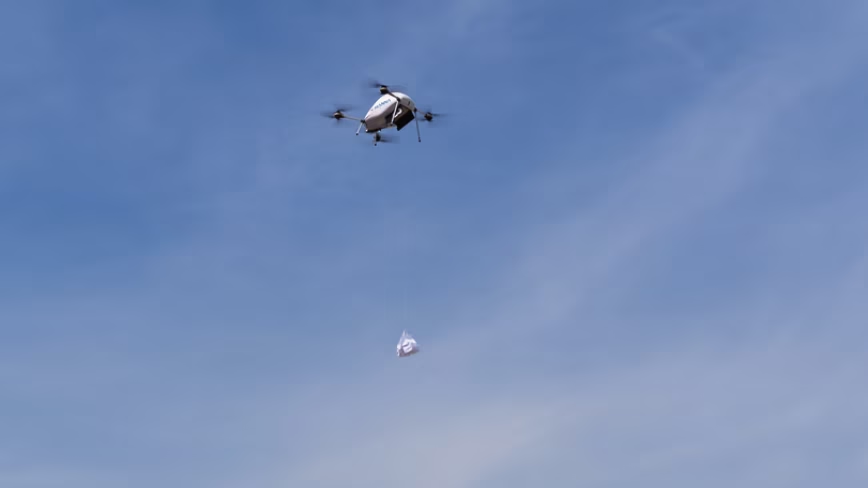
Irish drone delivery startup Manna is building a 1,000-person US factory in Tulsa to take on Zipline and Wing
Manna committing to a 1,000-person US manufacturing and operations hub in Tulsa is a bet that drone delivery is moving from pilot to scaled logistics. Retailers and QSR chains in the region should be shortlisting aerial partners now — route density and early regulatory relationships will be hard to replicate later.
 Robotics & Autonomy
Autonomous drone delivery startup Manna plots major US expansion
A 1,000-person operations and manufacturing footprint in Tulsa means drone delivery is graduating from pilot to regional infrastructure. Retail, QSR, and pharmacy operators in Manna’s target zones should start modeling last-mile mixes where air is a real channel, not a novelty.