
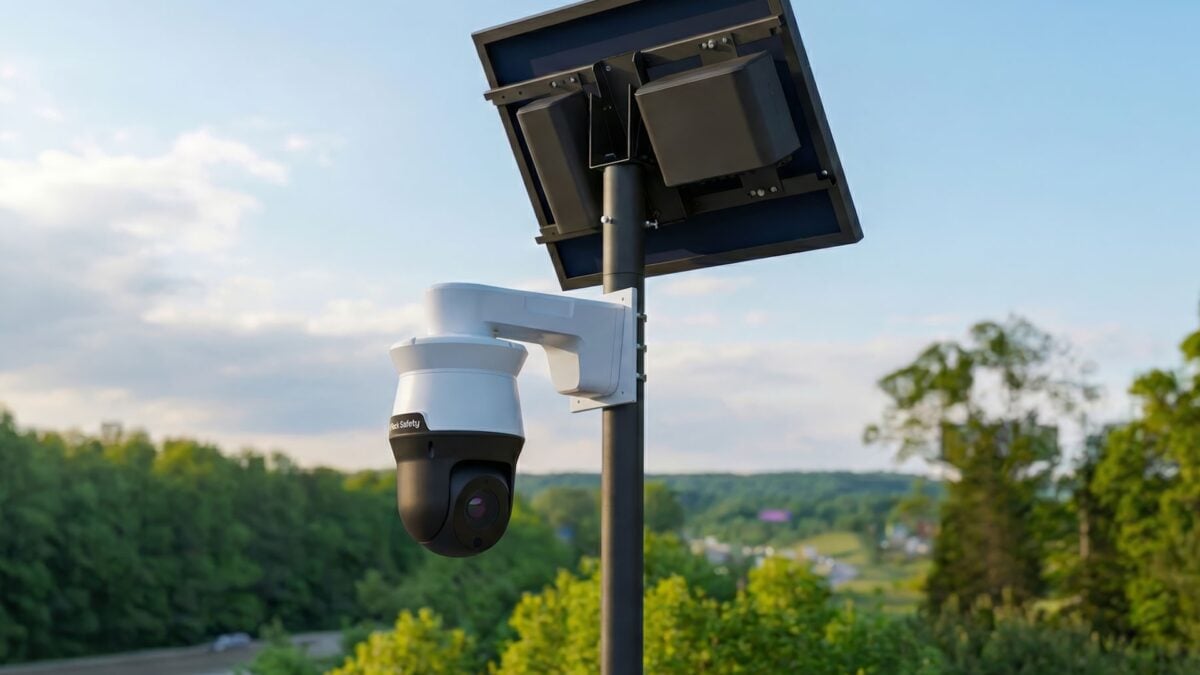
Flock Cameras Got the Wrong License Plate 71% of the Time in California City
THE SO WHAT
A 71% misread rate on license plates in one city is not a rounding error—it’s a systemic reliability problem for automated policing tools. Municipal and enterprise buyers should be demanding independent accuracy audits and clear recourse processes before leaning on this data for decisions.
READ THE SOURCE
MORE FROM THE WIRE
 Deep & Emerging Tech
Rivian spinoff Also to start delivering e-bikes after months of delays
A Rivian spinoff finally shipping e-bikes and planning four-wheel pedal-assist cargo vehicles for Amazon shows how last-mile logistics is fragmenting into many micro-vehicle form factors. Retail and logistics teams should model delivery networks that mix vans, cargo bikes, and human power — zoning and curb access become as important as fleet size.
 Deep & Emerging Tech
Serial Innovation in Fintech | Masters in Business with Som Seif
The arc from ETFs to the first bitcoin ETF to new fintech platforms is a reminder that regulatory arbitrage plus distribution can compound into category-defining products. Fintech builders should treat AI as another lever in that playbook — not the whole story — and design around licensing, custody, and channel from day one.
Deep & Emerging TechIllumina CEO on Genomic Sequencing Opportunities and AI
When Illumina talks about AI in genomics, the real story is throughput—turning raw sequencing into clinical decisions faster and cheaper. If you’re in life sciences, assume your data pipeline and model strategy will be as core to value as your wet lab over the next planning cycle.
Deep & Emerging TechSupply-chain legend Tim Cook finally meets his match with Apple’s memory crunch
If Apple is scrambling for memory amid the AI boom, everyone downstream is exposed—HBM and advanced memory are now macro constraints, not line items. Any AI-heavy roadmap should include explicit memory availability and pricing scenarios, not just GPU counts.