

Former OpenAI science lead launches Warp Science to automate wet labs with robots
THE SO WHAT
Warp Science training robots via human chemists in sensor gloves is a concrete attempt to turn tacit lab technique into machine-executable procedures. If you run R&D with repetitive wet-lab work, start mapping which protocols could be captured this way—automation here changes both cost structure and iteration speed.
READ THE SOURCE
MORE FROM THE WIRE
 Robotics & Autonomy
Tesla is prepping a Cybercab onslaught
A Cybercab rollout to more US cities without clear ride volume disclosure suggests a land-grab strategy — presence first, metrics later. City operators and mobility players should plan for regulatory pressure and pricing experiments even before utilization is proven, via TechCrunch Transportation.
 Robotics & Autonomy
Zurich startup Enact raises $30M to give robots a sense of touch
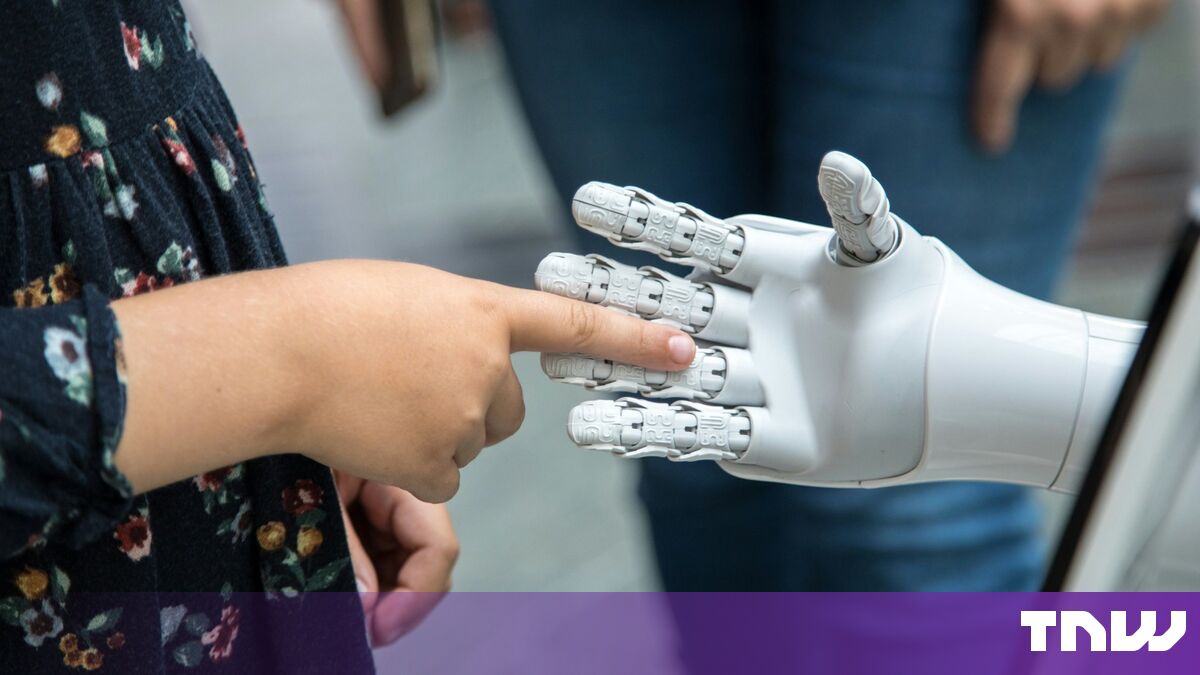
$30M pre-seed for Enact to give robots force and touch sensing through their motors — led by a former 1X NEO software head — is a bet that perception alone won’t unlock reliable manipulation. If you’re deploying robots, start mapping tasks where tactile feedback, not just vision, is the limiting factor, per The Next Web.
 Robotics & Autonomy
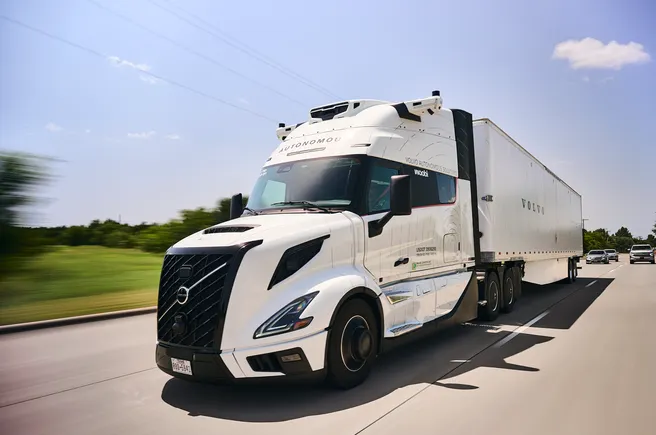
Volvo Autonomous Solutions, Waabi launch first driverless lane in Texas
A dedicated Dallas–Houston autonomous lane with safety drivers on board is the classic “shadow deployment” phase—ops teams are learning the real constraints long before full driver-out. Shippers and 3PLs on that corridor should start modeling how guaranteed-capacity, time-definite autonomous lanes would change routing, SLAs, and pricing power.
 Robotics & Autonomy
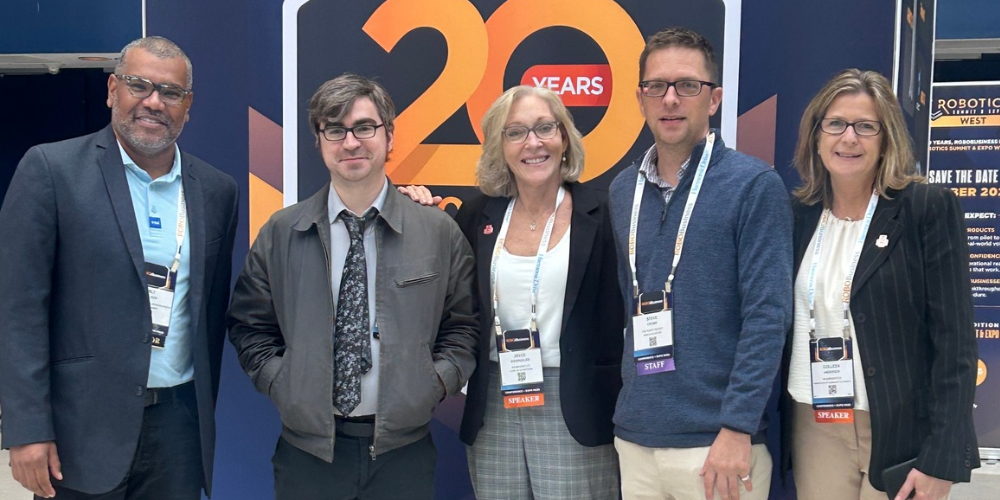
MassRobotics at RoboBusiness 2026
RoboBusiness hitting its 20th year with strong MassRobotics presence is a marker that robotics is consolidating around shared ecosystems and testbeds, not isolated pilots. If you’re building in physical AI, plug into these consortia early—standards, talent, and customer intros are increasingly flowing through them rather than cold outreach.