
French Tax Office to Use AI to Probe Vulnerabilities After Hack
THE SO WHAT
A national tax authority turning to AI to probe its own systems after a breach is a clear tell that automated red-teaming is moving into core government security practice. If you hold sensitive citizen or financial data, budget for AI-driven offensive testing before regulators make it table stakes.
READ THE SOURCE
MORE FROM THE WIRE
 Applied AI
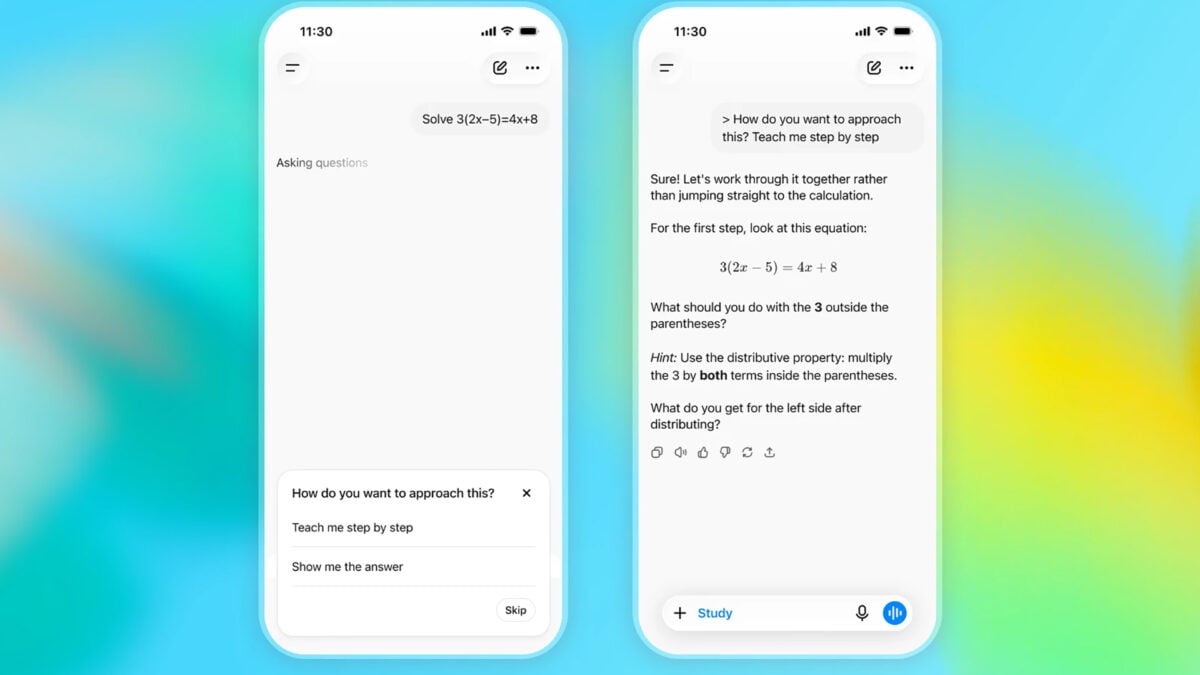
OpenAI Launches ‘ChatGPT for Teens’ to Prevent Kids From Emotionally Bonding With Bots
Youth access is becoming a regulated surface, not a growth hack. If your product touches minors, assume you’ll need age-specific modes, guardrails, and evidence you’re not fostering parasocial dependence on bots.
 Applied AI
Reddit AI videos turn old text threads into narrated clips
Turning text threads into AI-narrated video is a distribution play—more surfaces for the same content. If your product has a deep text archive, you’re sitting on a latent video catalog that could drive new engagement or SEO, but you’ll need consent and moderation answers first.
 Applied AI
AI-drafted bills are swamping the House office that writes US laws
AI is amplifying legislative throughput faster than review capacity—Congress’ lawyers are the new bottleneck. Any organization using models for policy, contracts, or compliance should assume the same pattern: verification staffing and process redesign now matter more than drafting speed.
 Applied AI
ChatGPT for Teens gets one thing right, and more AI models should follow
Stripping fake personality from teen-facing models is a quiet admission that anthropomorphizing assistants creates trust and safety debt. If you’re deploying chatbots in regulated or vulnerable contexts, tone and framing are now part of your risk surface, not just UX polish.