

Fujifilm is raising camera prices by up to €500. The AI memory crisis has reached photography.
THE SO WHAT
Fujifilm hiking camera prices by up to €500 and blaming the DRAM crunch shows how AI’s appetite for memory is rippling into consumer hardware. If you ship devices with meaningful RAM or storage, revisit your BOM assumptions—memory may be the constraint that forces either price hikes or spec cuts.
READ THE SOURCE
MORE FROM THE WIRE
 Deep & Emerging Tech
Cadence reports Q2 revenue up 24.2% YoY to $1.58B and raises its annual revenue forecast to between $6.26B and $6.34B vs. $6.21B est.; CDNS up 4%+ after hours
Cadence growing revenue 24.2% YoY to $1.58B on AI chip design demand shows that EDA remains a quiet choke point in the AI hardware boom. If you’re betting on custom silicon, assume EDA vendors will have pricing power and roadmap influence—build those dependencies and timelines into your hardware strategy.
Deep & Emerging TechBlackRock Raises $12.5 Billion of Debt for Meta Data Center
A $12.5B project bond for a single Meta data center in Texas confirms hyperscale AI is now financed like long-lived infrastructure, not just opex cloud. If you’re a heavy AI consumer, expect your vendors’ capex and financing structures to start shaping pricing, contract length, and capacity guarantees.
 Deep & Emerging Tech
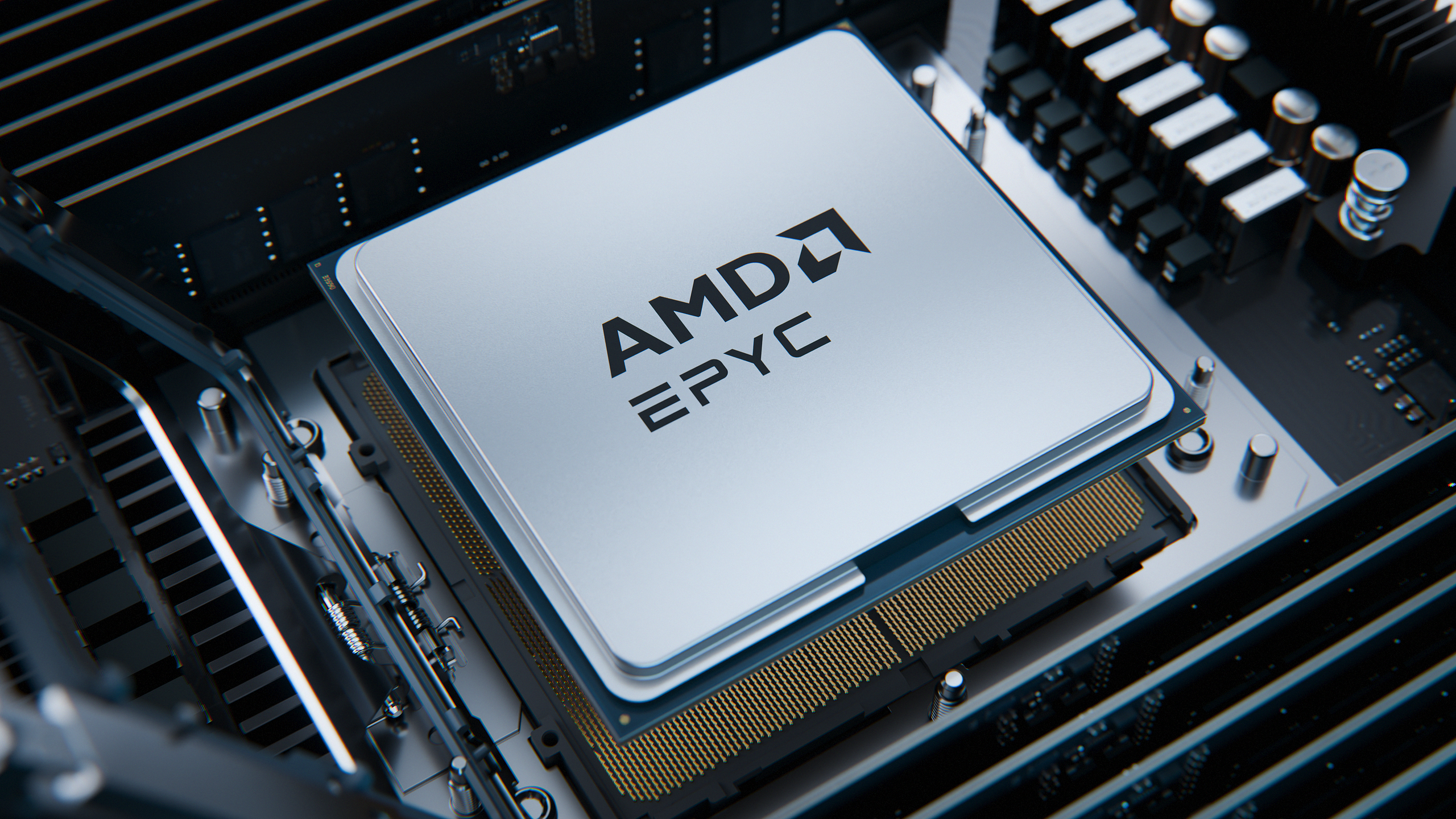
AMD's Venice is the first 2nm x86 server chip, but the stack doesn't fully ship until 2027
AMD’s 2nm, 256-core Venice EPYC roadmap for 2027 says the CPU side of the data center isn’t standing still while GPUs dominate headlines. If you’re planning AI infra three to five years out, model scenarios where high-core-count CPUs reclaim more of the inference and orchestration workload from accelerators.
Deep & Emerging TechMore cracks emerge in AI-related bonds as Meta, Microsoft earnings loom
Stress in AI-related bonds is a reminder that the financing side of the AI buildout has limits—“the money has to come from somewhere” applies to your vendors too. If your roadmap assumes ever-cheaper AI infra, add a scenario where capital markets reprice this debt and push costs or capacity constraints back onto customers.