
Game studio Gardens Interactive raised a $35M+ Series B led by Lightspeed at a pre-money valuation of $190M, taking its total funding to $71M
THE SO WHAT
$35M+ into Gardens Interactive at a ~$190M pre-money is a bet that premium, art-forward titles can still break out in a live-service, UGC-heavy market. For studios, it’s a reminder that distinct aesthetic and design DNA remains fundable even as tooling and distribution get more commoditized.
READ THE SOURCE
MORE FROM THE WIRE
 Startups & Venture
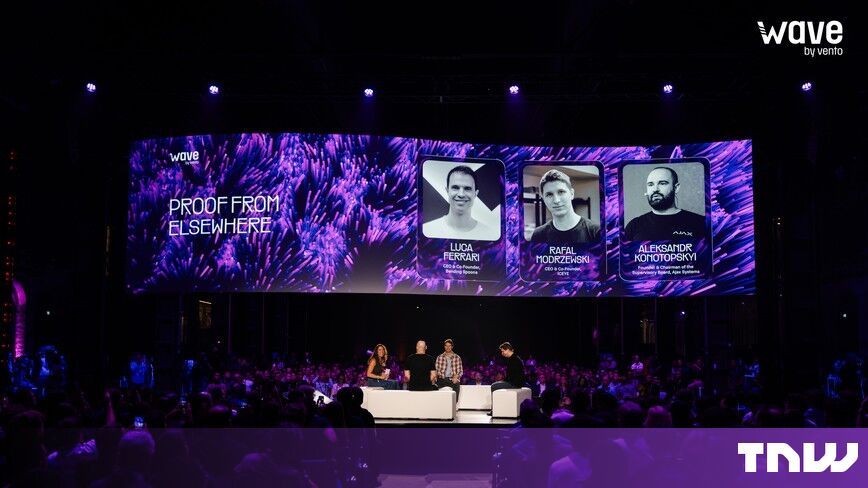
Bending Spoons’ Luca Ferrari says capital is no longer Europe’s big barrier
If strong European companies can now raise at scale, the constraint shifts from capital to talent density, go-to-market, and regulatory friction. Founders should spend less time optimizing fundraising narratives and more time building cross-border distribution and hiring plans that assume capital is available but execution is scarce.
 Startups & Venture
Anthropic, OpenAI Clouding Other IPO Prospects: Ruder
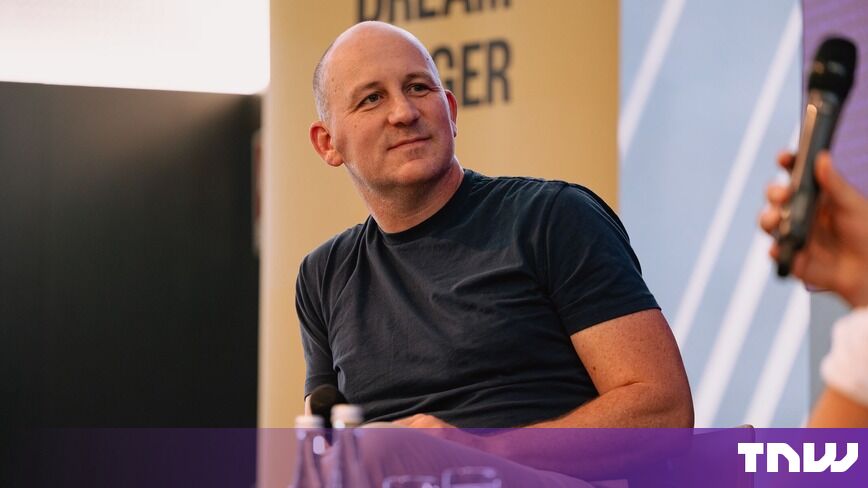
Permira’s Brian Ruder pointing to Anthropic and OpenAI as overshadowing other IPOs underscores how AI narratives are concentrating investor attention and multiples. If you’re a software company heading toward public markets, expect tougher comps and more pressure to articulate a credible agentic AI story.
 Startups & Venture
Endeavor Catalyst closes $320M fund as Europe becomes its top growth market
Endeavor Catalyst’s $320 million Fund V — with Europe now its fastest-growing region and H1 2026 deals already near last year’s total — reinforces that late-stage capital is actively hunting European growth stories. If you’re a European founder past product–market fit, you can treat global growth funds as realistic lead options and should be tightening metrics and governance to match that bar.
 Startups & Venture
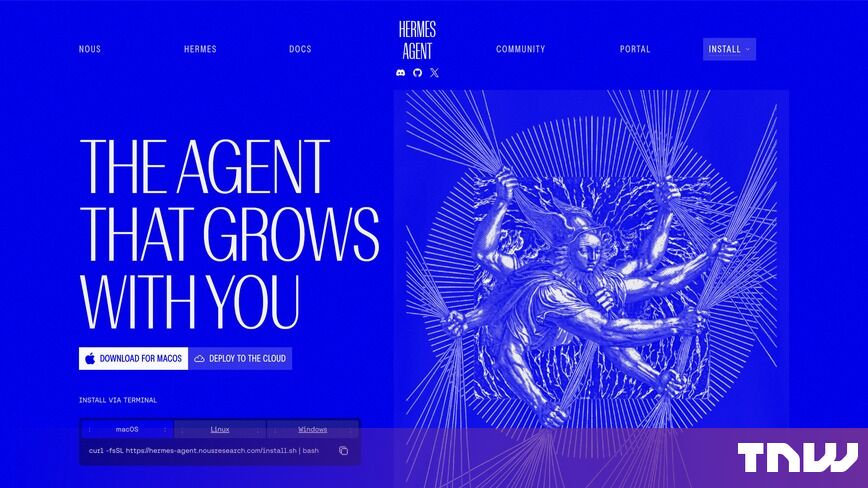
Nous Research raises $90M to take its Hermes AI agent to businesses
A $90M round for an open-source agent stack aimed at enterprises — with Nvidia, Microsoft’s M12, Samsung, and tier-one VCs in the cap table per The Next Web — is a bet that “bring your own model, buy the agent layer” becomes a real market. If you’re building internal orchestration, assume you’ll be competing with increasingly well-capitalized open agents and design for swap-ability rather than hardwiring to a single vendor.