

Gil Kalai (Hebrew University / Reichman University): Why noise may doom quantum computers
THE SO WHAT
Kalai’s correlated-noise critique is a reminder that scalable quantum computing is still a contested bet, not a guaranteed timeline. If your roadmap assumes near-term quantum advantage, separate marketing from risk planning and keep most of your security and compute strategy grounded in classical assumptions.
READ THE SOURCE
MORE FROM THE WIRE
 Deep & Emerging Tech
Can Africa Power the AI Boom?
If Africa becomes a core destination for data centers, your AI roadmap inherits African power, water, and political risk profiles along with lower land and energy costs. Infra and AI leaders should start treating African markets as first-class options in site selection models, not edge cases, per Bloomberg at https://www.bloomberg.com/news/videos/2026-08-01/can-africa-power-the-ai-boom-video.
Deep & Emerging TechThe FTC clears quantum computing company IonQ's $1.8B acquisition of chipmaker SkyWater after the FTC's two members disagreed at first on imposing conditions
A quantum player buying a $1.8 billion semiconductor foundry with FTC clearance underscores how tightly compute, process tech, and specialized hardware are converging. If you’re building in deep tech, assume vertical integration pressure will rise — access to fabs and packaging is becoming a strategic moat, not a commodity vendor choice.
 Deep & Emerging Tech
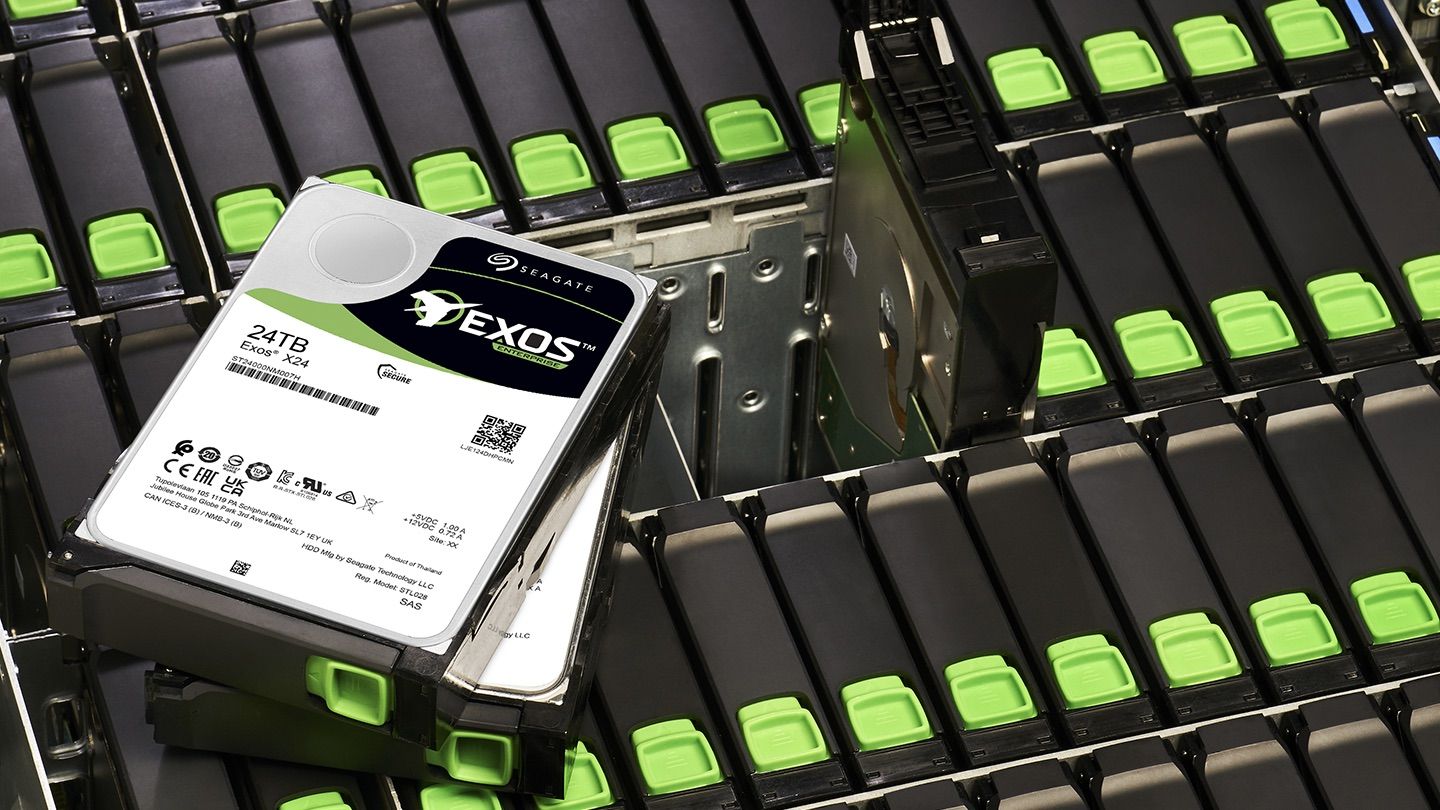
Seagate reveals more on its 50TB HDD plans — but looks like we'll still have a long wait to buy one
Qualification in late 2027 and shipments in 2028 for 50TB HDDs means hyperscale storage density will jump, but not in your current planning cycle. For AI and data-heavy teams, assume today’s storage constraints hold for at least the next 24–36 months — architect RAG, logging, and retention policies accordingly.
 Deep & Emerging Tech
Rivian spinoff Also to start delivering e-bikes after months of delays
A Rivian spinoff finally shipping e-bikes and planning four-wheel pedal-assist cargo vehicles for Amazon shows how last-mile logistics is fragmenting into many micro-vehicle form factors. Retail and logistics teams should model delivery networks that mix vans, cargo bikes, and human power — zoning and curb access become as important as fleet size.