
Google just fixed one of the most annoying things about talking to AI — Gemini Live can finally handle interruptions
THE SO WHAT
Gemini Live 3.5 handling interruptions and more languages moves voice assistants closer to human conversational norms, which is where real usage lives. If your product still assumes users will patiently wait for monologues, expect drop-off—design for back-and-forth, corrections, and mid-stream context changes.
READ THE SOURCE
MORE FROM THE WIRE
 Applied AI
Beyond slop, taste, and AI moral panic: What social science tells us
If taste is learned and AI is now a primary teacher, recommendation systems become cultural infrastructure, not just engagement levers. Operators curating feeds — in media, commerce, or education — are quietly deciding which futures users learn to want.
 Applied AI
AI Data Center Demand Isn’t Slowing: Southern CEO
When a major utility CEO says AI data center demand isn’t slowing and signs 25-year power deals, compute planning has officially merged with grid planning. If you depend on large-scale training or inference, you now have to underwrite power, transmission, and permitting risk alongside GPU supply.
Applied AIMizuho’s Rakesh Sees Wall Street Drilling In on Nvidia Spending
With a “big beat” already priced in, the real question for Nvidia is how long hyperscale AI capex can compound at current rates. If you’re building on their stack, watch guidance on AI spend mix and pace — it’s a proxy for how long the current GPU-first architecture window stays open.
 Applied AI
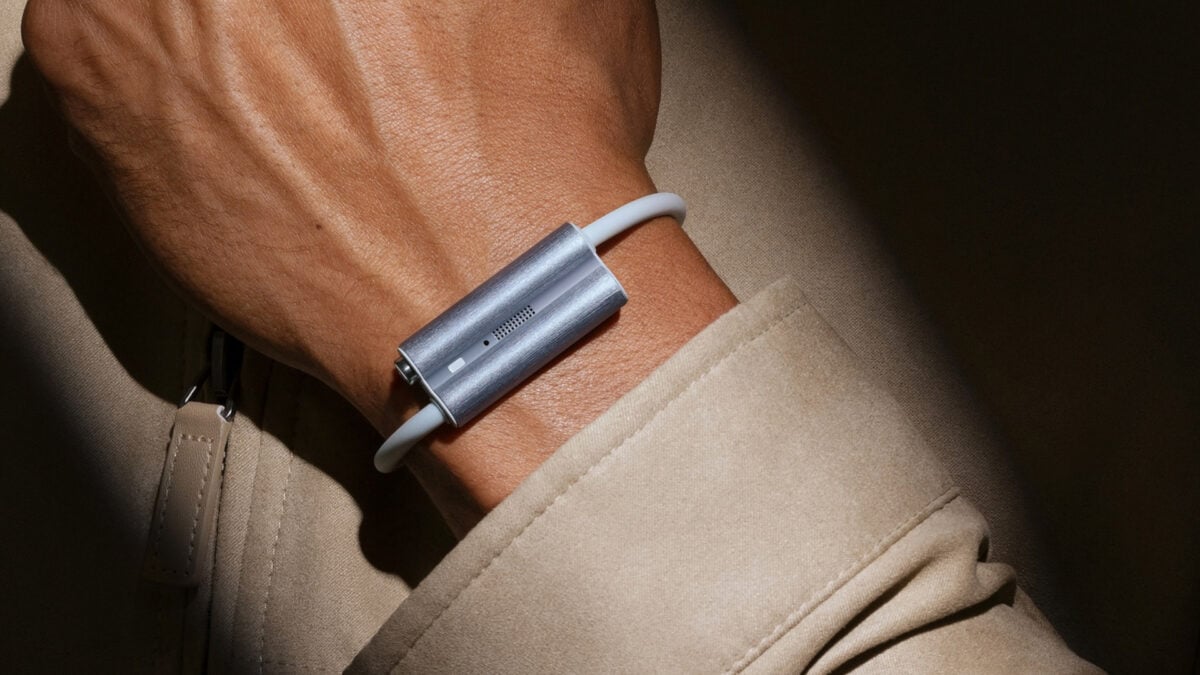
Screenless Luffu Link Is the Next Wearable From the Founders of Fitbit
A screenless, LTE health and safety band tied into an AI monitoring stack is a bet that ambient, always-on sensing beats app-centric UX for families. For health and safety operators, the opportunity is in longitudinal data and interventions — not the device itself.