

Google, Microsoft, OpenAI and Anthropic back one AI training opt-out
THE SO WHAT
A unified robots.txt opt-out makes “no training” a single switch—raising the odds that large content owners will actually use it. If your product depends on web-scale data, assume a future with less crawlable content and more licensed or first-party data pipelines.
READ THE SOURCE
MORE FROM THE WIRE
US forces in Europe are bracing for 'Ukraine's worst day.' AI could help them fight an overwhelming flood of missiles and drones.
AI-assisted targeting and defense against mass drone and missile barrages is moving from theory to operational planning — volume and coordination, not single-asset performance, are the constraint. Defense and dual-use vendors should assume procurement will favor systems that can ingest heterogeneous sensor data and make time-critical recommendations under fire.
 Applied AI
Google taught the world how to search. Now it faces a revolution it can’t afford to lose.
If AI Overviews cannibalize high-intent queries faster than they unlock new ad formats, Google’s core cash machine gets structurally less predictable. For operators, assume search traffic quality and volume are more volatile over the next 12–24 months and avoid single-channel dependence in acquisition models.
Applied AIAI Enthusiasm Is Collapsing and Tech Earnings Just Made It Worse
Public markets are starting to price AI as a long, capex-heavy grind rather than a near-term profit engine. Expect tighter scrutiny on AI projects without clear unit economics—internal teams should come armed with costed use cases, not “strategic” narratives.
 Applied AI
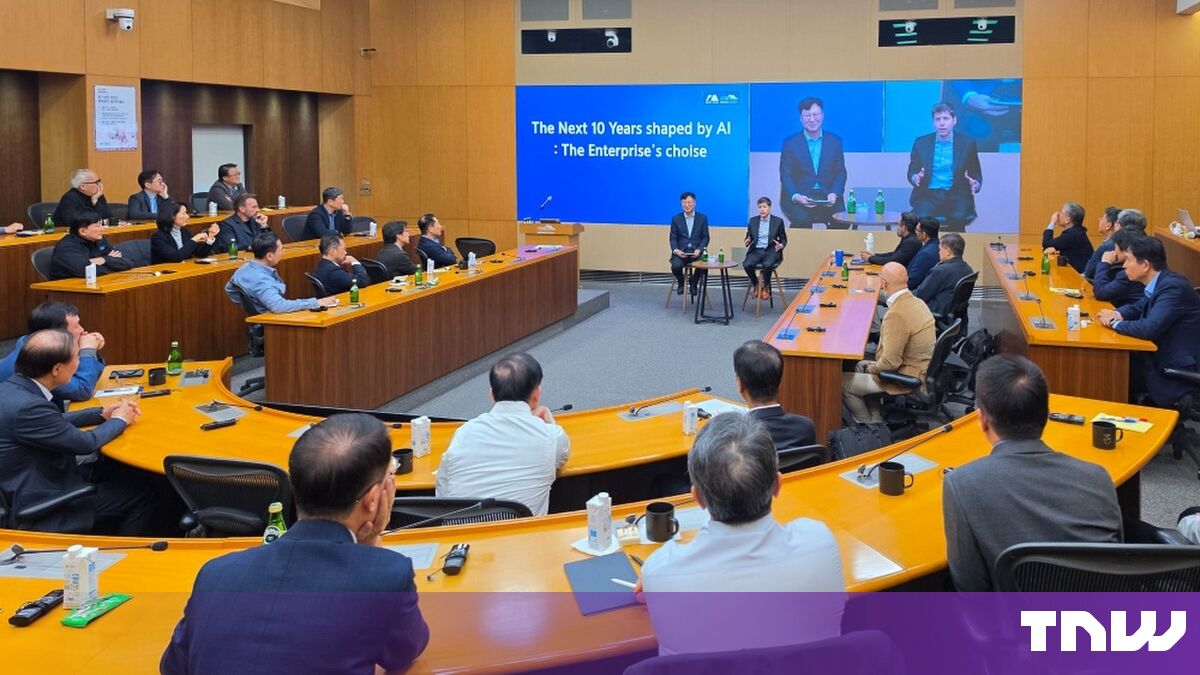
Sam Altman meets Samsung’s presidents days after his DRAM remark
Linking “wasted” local DRAM to cloud AI demand in front of Samsung leadership underlines how tightly model roadmaps are now coupled to memory supply. Infra and product teams should treat memory availability and bandwidth—not just GPUs—as a first-order constraint in scaling plans.