

Google threat intelligence group details how one of its researchers infiltrated hacker group TeamPCP and helped disrupt its software supply chain hacking spree
THE SO WHAT
The fact that a single analyst infiltrating a supply-chain gang could blunt “worst-ever” breaches underscores how asymmetric both offense and defense have become. If your business ships software, assume your SDLC is a primary target and invest in human-led threat intel alongside SBOMs and automated scanning.
READ THE SOURCE
MORE FROM THE WIRE
 Deep & Emerging Tech
AMD GPUs and CPUs could be the next victims of the RAM crisis, as industry chatter insists more price hikes are coming
A rumored 10% price hike across an entire chip line on the back of a RAM crunch means AI and HPC budgets are exposed to memory, not just GPU, volatility. Lock in key SKUs and revisit TCO models now—assume component inflation, not flat pricing, for 2026 hardware refreshes.
 Deep & Emerging Tech
Mr. Robot’s Ecoin Comes to Life Via Wall Street’s New Blockchain
A permissioned blockchain with USDC at the core and validators like BlackRock, Visa, and Mastercard is Wall Street testing a shared ledger without ceding control. For fintechs, the question shifts from "crypto or not" to whether you can plug into these consortium rails once they start carrying real settlement volume.
 Deep & Emerging Tech
EPB Launches IonQ Forte Enterprise Quantum Computer in Chattanooga
Dropping an IonQ Forte Enterprise system into a municipal quantum center turns Chattanooga into a live testbed for commercial quantum plus networking, not just a demo box. If quantum is on your 3–7 year horizon, start by placing small workloads and partnerships where machines are physically accessible and support teams are local.
 Deep & Emerging Tech
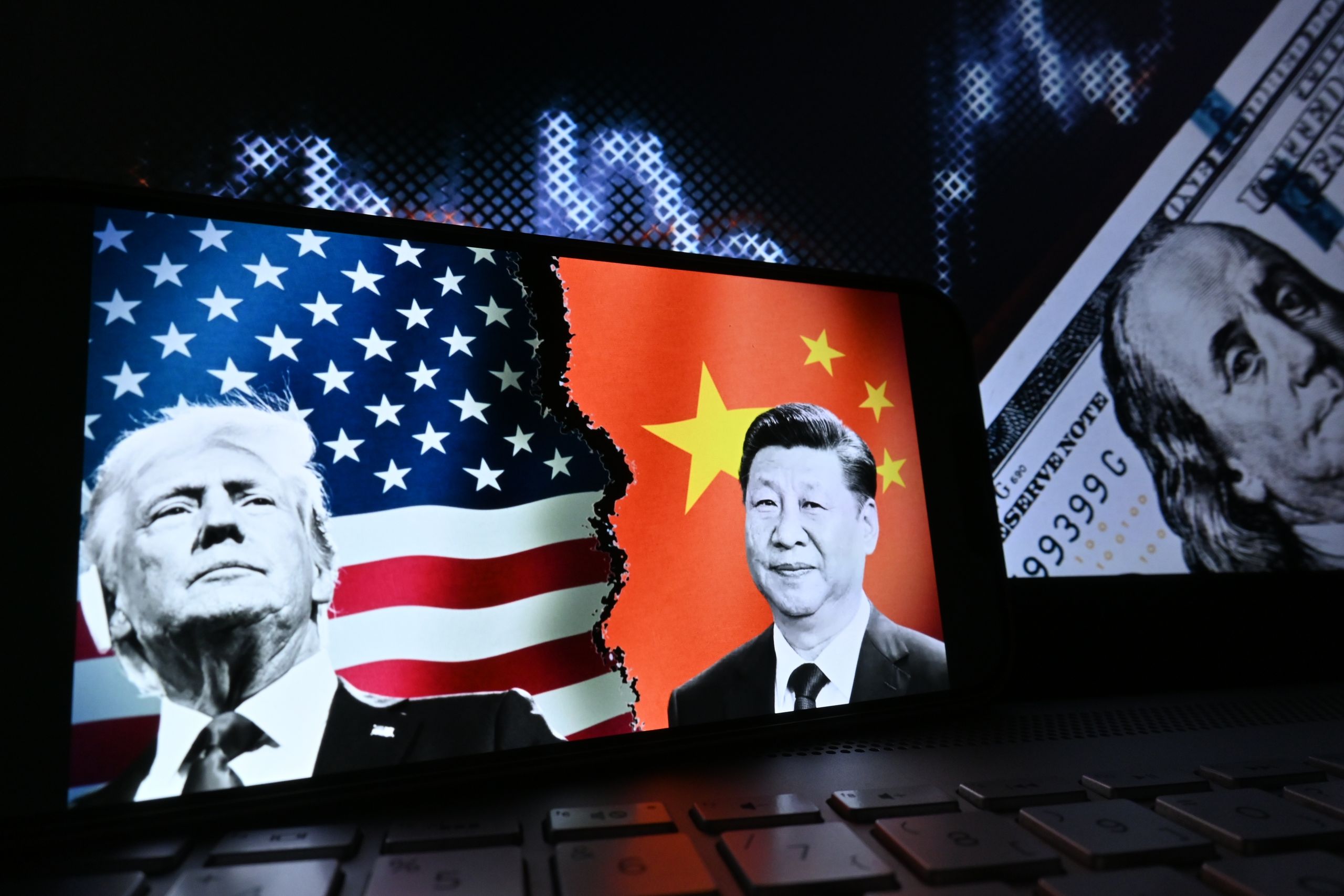
China's Salt Typhoon spotted probing Latin American government with newly developed SparroWocky backdoor
A new SparroWocky backdoor aimed at Latin American governments underscores that state-linked groups are iterating bespoke malware for specific regions. Public-sector and critical-infra operators in "secondary" geographies need to assume first-tier threat actors and budget for continuous detection engineering, not just annual audits.