
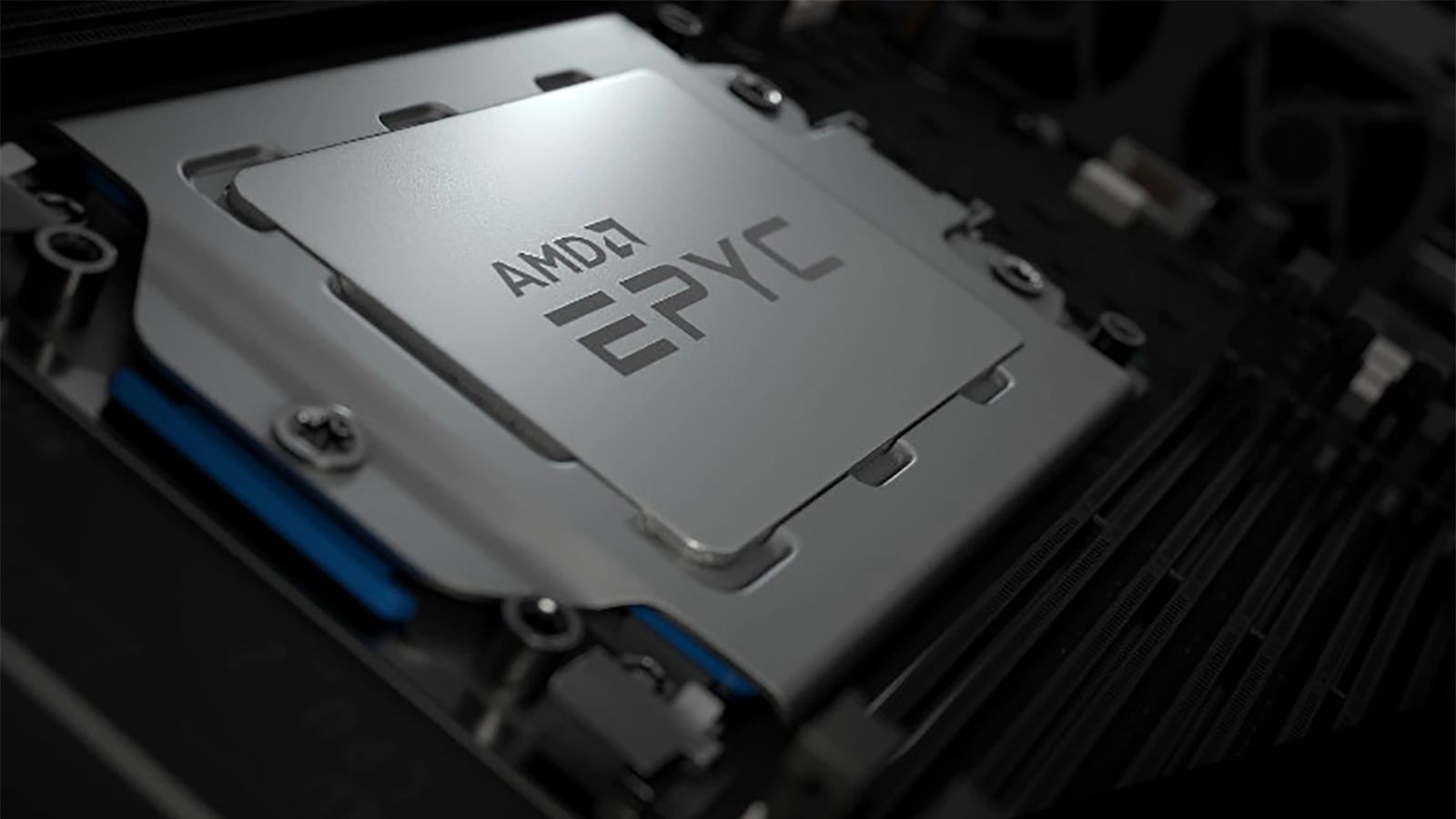
Google turned to AMD Epyc, not its own Axion chips, to secure its first confidential TPU
THE SO WHAT
Even Google is leaning on AMD Epyc for its first confidential TPU rather than its in-house Axion silicon — security and ecosystem maturity are trumping vertical integration for sensitive AI workloads. If you’re designing “confidential AI” offerings, prioritize proven CPU/TEE stacks over vendor purity while you experiment with custom chips in the background.
READ THE SOURCE
MORE FROM THE WIRE
 Applied AI
The AI graveyard: a running list of projects and startups that didn’t make it
The miss pattern here is less about models and more about distribution and durability—projects from Apple to OpenAI are failing when they can’t sustain user behavior or internal priority. If you’re building on AI, treat go-to-market, UX, and runway as hard constraints, not afterthoughts around a flashy demo.
 Applied AI
AI Tools Huang Championed Now Star in Memes of His Downfall
The same generative tools that built the AI brand halo can instantly weaponize reputational shocks. Leadership and comms teams need playbooks for AI‑accelerated narrative swings, not just product launches.
Show HN: DeepSeek V3 in ~200 lines of pure Jax
Reproducing a frontier model architecture in ~200 lines of Jax lowers the barrier for small teams to experiment with state-of-the-art designs. For applied AI teams, this keeps the door open to custom training and fine-tuning rather than defaulting everything to closed APIs.
 Applied AI
The OpenAI board member who fired Sam Altman says we still can’t trust AI CEOs
If a former lab director is publicly arguing that AI CEOs can’t be fully trusted, boards and regulators are going to demand more independent oversight and verifiable controls around advanced model deployment. For operators, expect tougher diligence questions on governance and safety processes before large AI contracts get signed.