
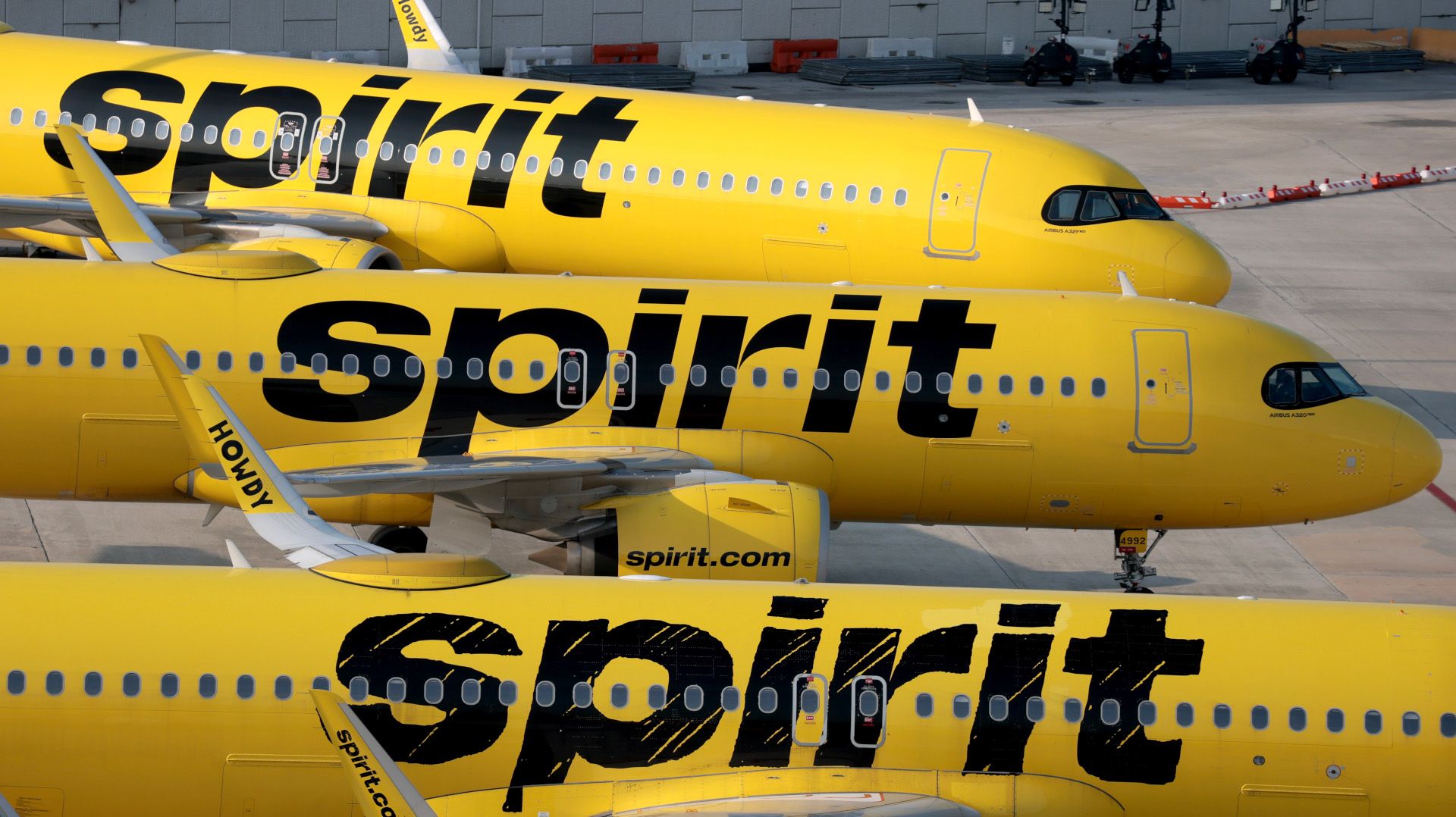
Google's $10 million bid to buy old business data from Spirit Airlines so it can use it to train AI has hit turbulence
THE SO WHAT
A $10M offer for a single airline’s historical business data makes clear that proprietary corpora are now priced as strategic assets, not exhaust. If you hold large operational datasets, revisit your data rights, retention, and monetization strategy before they’re quietly locked into someone else’s training pipeline.
READ THE SOURCE
MORE FROM THE WIRE
 Applied AI
Apollo finds AI is hitting paychecks rather than payrolls
AI exposure is quietly repricing labor before it destroys it—wage growth in highly exposed roles slowed 6.7% post‑2023, with a 10.7% drag in the lowest‑paid quartile and no hit at the top. If you run a team in that exposed middle, expect retention pressure and morale risk long before headcount reductions show up in your plan.
 Applied AI
OpenAI says California should strengthen its AI safety bill
A major lab publicly asking California to toughen SB 53 is a pivot from resistance to shaping the guardrails. Compliance teams should assume frontier‑model safety obligations are coming and start mapping which internal systems would be in scope if California’s bar becomes the de facto standard.
 Applied AI
Frontier AI labs still won’t say how they’d contain a rogue model
The absence of public containment plans for rogue models means most organizations are building on stacks whose worst‑case playbooks they can’t see. If you’re integrating frontier systems into critical workflows, treat them as black boxes with unknown failure modes and add your own kill‑switches and isolation layers.
 Applied AI
Civil society groups push FTC to sue AI companies over book destruction
Deliberate destruction of rare books to avoid copyright scrutiny pushes AI training from IP risk into potential antitrust and unfair‑practice territory. If your models touch sensitive or scarce data sources, document provenance and handling now—regulators are starting to treat training conduct itself as a target.