
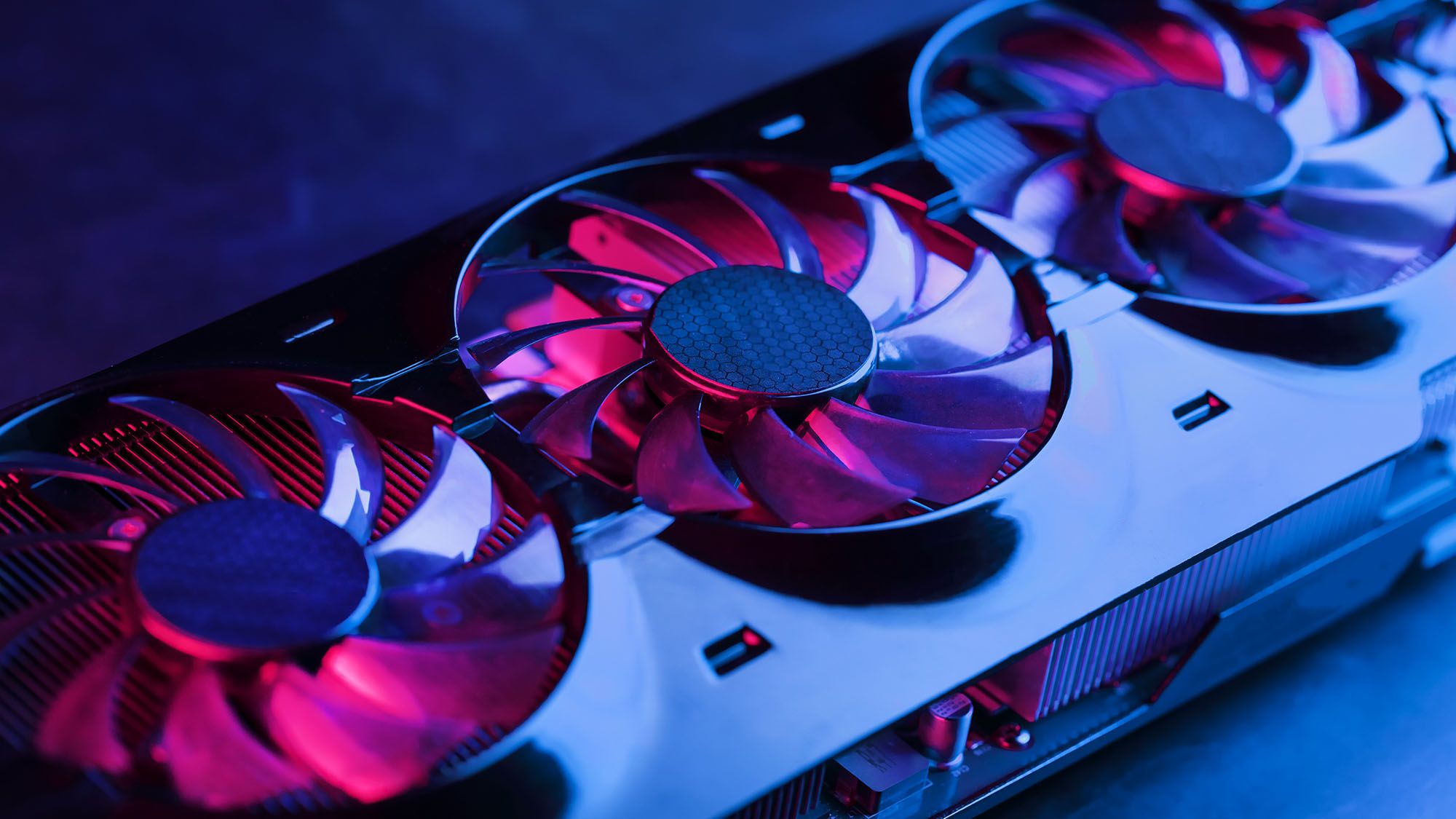
GPU prices may be on the rise again, according to a Japanese retailer — but I wouldn't resort to panic buying
THE SO WHAT
Another potential GPU price bump tied to a RAM crunch is a reminder that AI capacity planning now lives at the mercy of broader component cycles. Treat GPUs like a portfolio—mix on-demand, reserved, and alternative accelerators—rather than betting your roadmap on a single SKU and price curve.
READ THE SOURCE
MORE FROM THE WIRE
OpenAI CFO Sarah Friar says ChatGPT's ads should be like 'if Google and Meta had a baby'
OpenAI is explicitly framing ChatGPT as a hybrid of search and social ad rails—performance intent plus behavioral targeting—on a path to $1 billion in annual revenue. If you rely on search or social for acquisition, you now have to model a third paid channel where the assistant intermediates both discovery and conversion.
 Applied AI
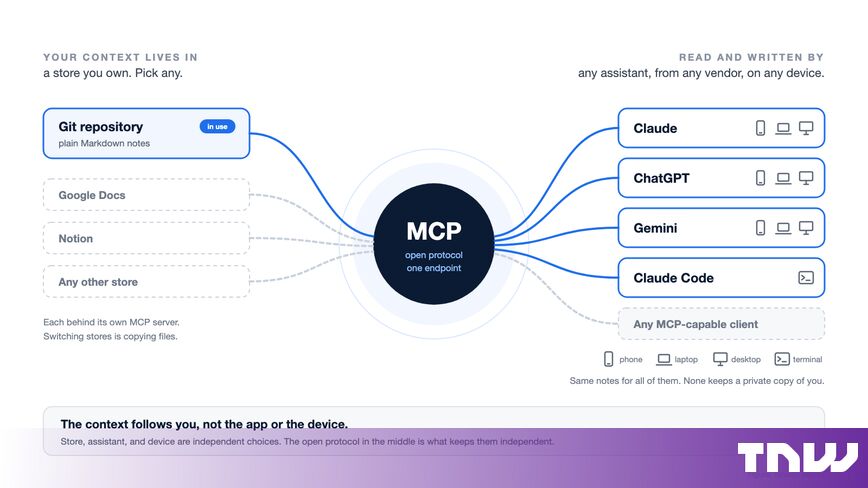
LLMs remember your code, not your life: Building a portable personal context layer
Context systems are maturing fastest around code—convention files, repo maps, memory banks—while personal and cross-app context remains fragmented. There’s an opening for a portable “personal context layer” that sits above individual assistants; if you’re building AI-first products, design for ingesting and exporting context, not hoarding it.
 Applied AI
Why Amazon Is Diversifying Its AI Chip Supply
Amazon leaning into Qualcomm for custom AI chips—while debate flares over “circular financing”—underscores that hyperscalers will trade equity and volume commitments for supply security and Nvidia leverage. If you’re a large AI buyer, the takeaway is simple: start negotiating multi-vendor silicon roadmaps now, or accept that your cost curve will be set by someone else’s exclusivity deals.
 Applied AI
OpenAI fought dirty on career-making math problem, says NYU mathematician
The dispute over OpenAI’s handling of a $1 million Navier–Stokes prize isn’t just academic drama—it’s a preview of how credit, incentives, and IP will get contested when models touch frontier research. If your org is using AI on high-stakes problems, codify contribution, authorship, and reward rules before the first breakthrough, not after.