
Guest Post: Patentability of Quantum Computing Inventions
THE SO WHAT
Quantum’s next phase won’t just be about qubits and error rates—it will be about who can actually secure enforceable IP around algorithms and architectures that straddle classical and quantum. If you’re placing technical bets here, get counsel that understands both domains or you risk building on sand.
READ THE SOURCE
MORE FROM THE WIRE
 Deep & Emerging Tech
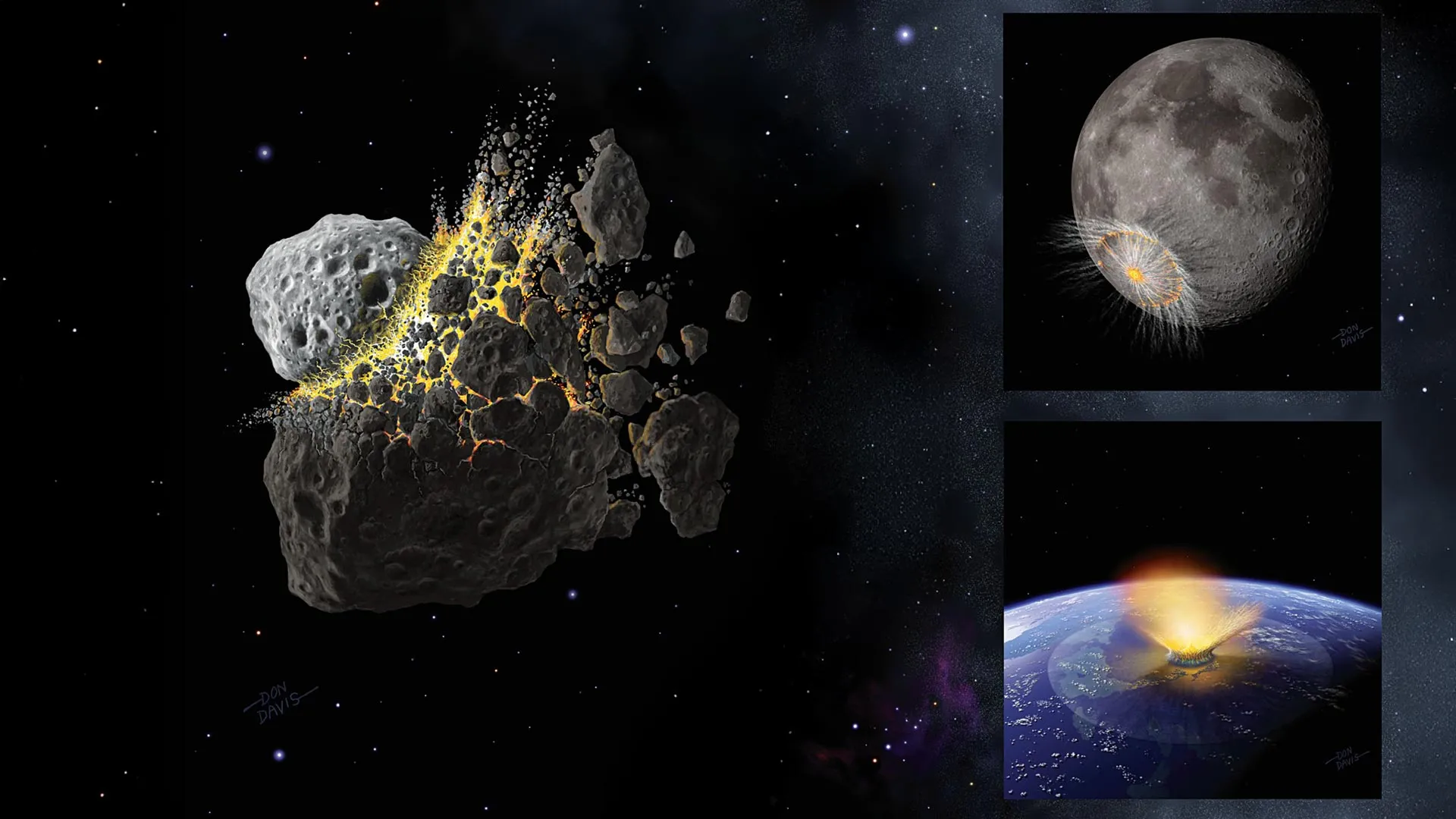
A shattered asteroid may have bombarded Earth 800 million years ago
The idea that a single asteroid breakup could seed impacts across Earth, the Moon, and Mars underscores how much of our environment is shaped by low-frequency, high-impact events. Long-horizon planners in insurance, infrastructure, and space should treat tail-risk modeling as a core competency, not a compliance box.
 Deep & Emerging Tech
Largest Probabilistic Computer Hits 1 Million P-Bits
A 1 million p-bit probabilistic computer is a concrete step toward specialized hardware that can attack optimization and inference problems classical and quantum machines struggle with. If your roadmap leans on quantum as the only post-CMOS option, add probabilistic architectures to your watchlist and start mapping which workloads could migrate first.
 Deep & Emerging Tech
How a homegrown Chinese chip maker became the memory industry’s biggest wild card
ChangXin Memory Technologies heading toward a breakout listing as a domestic DRAM player turns memory into another axis of US–China tech competition, not just logic. If you rely on stable DRAM pricing and supply, start scenario-planning around a world where Chinese capacity, sanctions, and industrial policy can swing your BOM and lead times.
 Deep & Emerging Tech
Your Period Tracker Is (Probably) Spying on You
Highly sensitive consumer apps are still leaking and monetizing data in ways users don’t expect—reproductive health is just the sharpest edge. Treat any product that touches intimate data as if it will be subpoenaed, scraped, and breached, and architect consent, minimization, and deletion accordingly.