

Gyazo breach exposes 23.62 million user records and 490 million image records — PII and metadata exposed in huge attack
THE SO WHAT
A breach exposing 23.62 million user records and 490 million image records from an image-sharing tool is a reminder that ‘auxiliary’ SaaS can carry core data risk. Inventory every tool that touches your users’ content or metadata and treat them as part of your regulated surface—especially if you’re feeding those images into AI workflows.
READ THE SOURCE
MORE FROM THE WIRE
 Deep & Emerging Tech
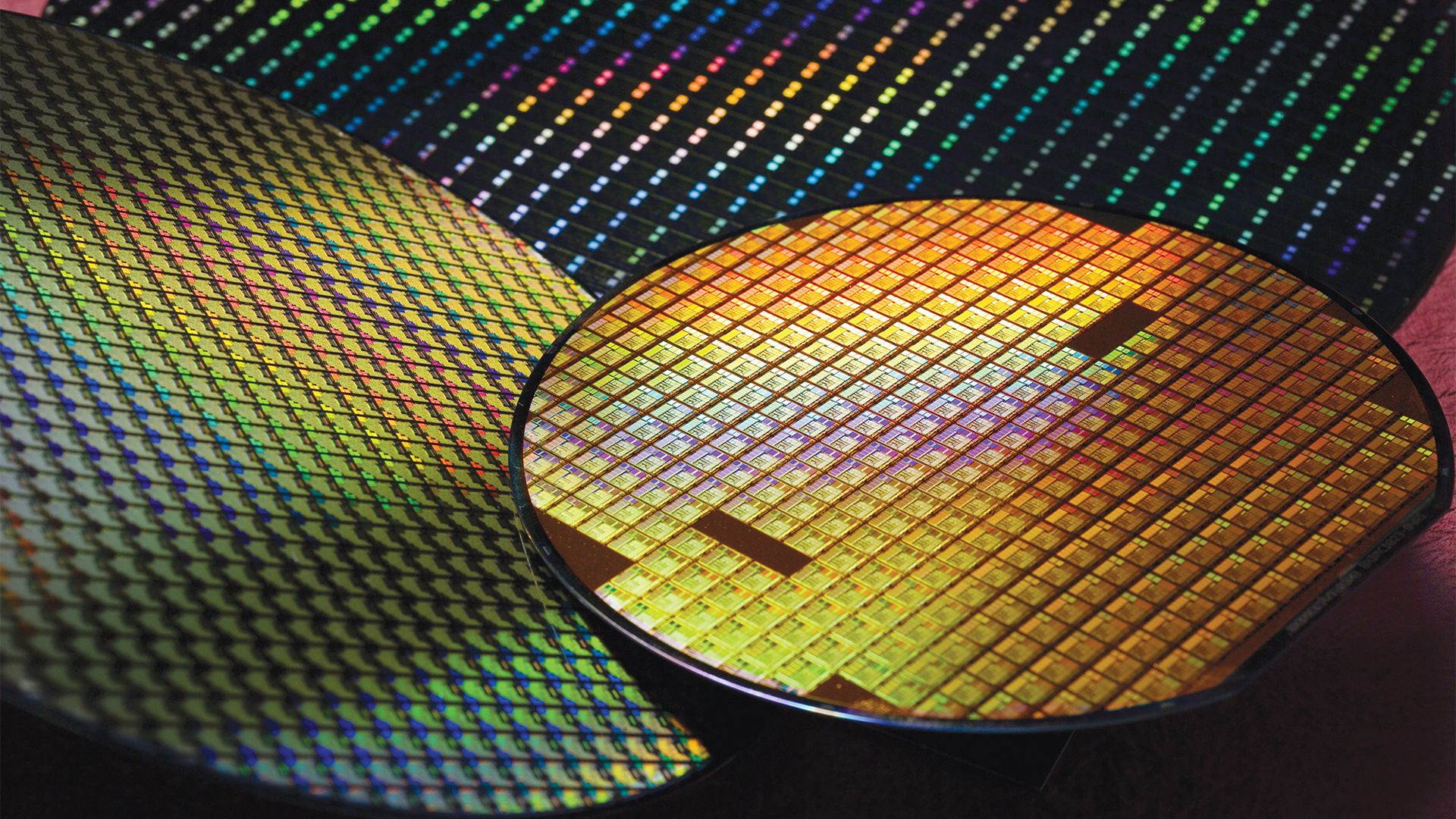
Will Samsung and Qualcomm’s organic bridge technology make AI processors more powerful and cheaper to produce?
If Samsung and Qualcomm can make organic bridge packaging work at scale, the cost/performance curve for AI accelerators shifts again toward tighter chiplet integration. Infra buyers should expect another generation of heterogeneous packages and revisit assumptions on memory bandwidth bottlenecks and refresh cycles.
 Deep & Emerging Tech
Tesla’s European Megacharger rollout covers 21 sites and over 100 stalls
Megawatt-class charging across 21 European sites is Tesla laying freight infrastructure, not just car convenience. Fleet operators evaluating electric trucks now have a clearer map—your route planning and depot investments should assume high-power hubs, not uniform coverage.
 Deep & Emerging Tech
This is the only cybersecurity stock that can post big gains, according to one analyst
One analyst’s conviction call on a single cyber name is less about the ticker and more about market belief that security spend still has room to grow. For operators, the takeaway is simpler—board pressure on cyber posture isn’t easing, so AI and automation in your security stack will keep getting budget attention.
 Deep & Emerging Tech
Memory pricing suggests iPhones could get even more expensive in 2027
If DRAM costs stay elevated into 2027, high-end phones will either get pricier or ship with tighter memory ceilings—both constrain on-device AI ambitions. When you plan mobile features, don’t assume infinite RAM on the edge; design for lean models and smart offload paths.