
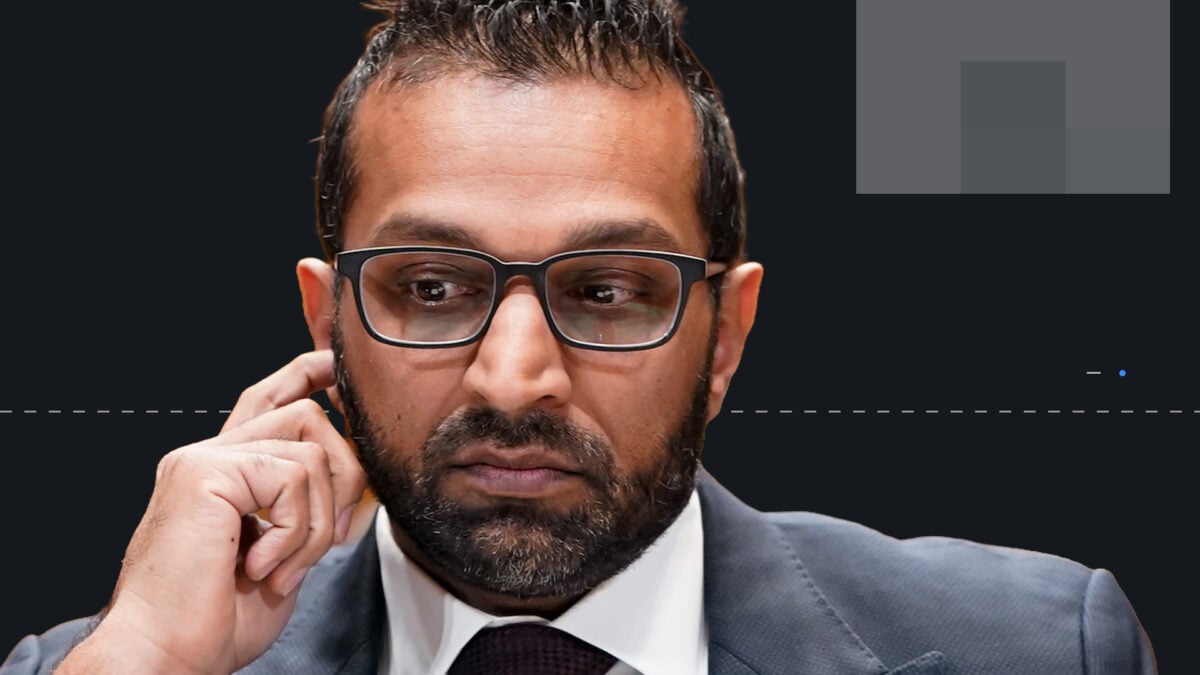
Hackers Hack the FBI’s Hacking Unit: Report
THE SO WHAT
If a specialized FBI cyber unit can have personnel records exposed, assume your own offensive and security teams are high-value targets too. Treat red-team and sensitive ops data—names, tools, infrastructure—as crown jewels with separate controls and monitoring.
READ THE SOURCE
MORE FROM THE WIRE
 Deep & Emerging Tech
Creotech Quantum Prepares QKD System for Commercialization
QKD moving from EU project status to commercialization means some critical networks will start treating quantum-safe links as a procurement requirement, not a lab experiment. If you handle high-value data with 10–20 year sensitivity, start mapping where fiber upgrades and QKD endpoints could realistically land in your stack.
The Pentagon wants ultra-precise clocks that could help troops fight without GPS
DARPA’s push for ultra-precise, GPS-independent clocks is a bet that navigation and timing are now contested infrastructure. If your operations assume continuous GPS—logistics, finance, critical comms—start mapping what fails when GPS is jammed and where local timing sources could de-risk you.
 Deep & Emerging Tech
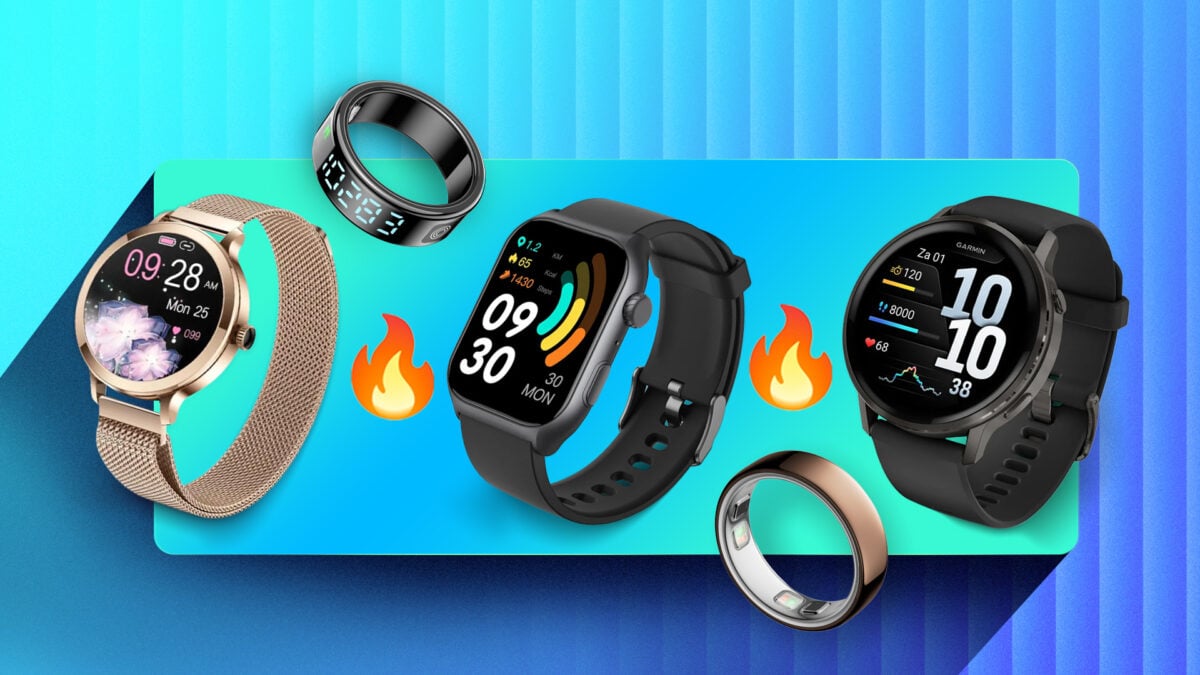
Your Body Heat Could Power the Next Generation of Wearables
Body-heat-powered thermoelectric generators won’t free your smartwatch from the charger, but they could make tiny, screenless sensors effectively maintenance-free. If you’re designing health or industrial wearables, assume power budgets can shrink and form factors can move into places where swapping a battery is impossible.
 Deep & Emerging Tech
Guest Post: Quantum Investment May Start With Post-Quantum Security
The argument that the first real quantum market is post-quantum security reframes quantum as a defensive spend category long before general-purpose machines arrive. CISOs and infra leads should treat PQC migration as a 5–10 year capex plan starting now, not a last-minute patch when a big quantum box ships.