
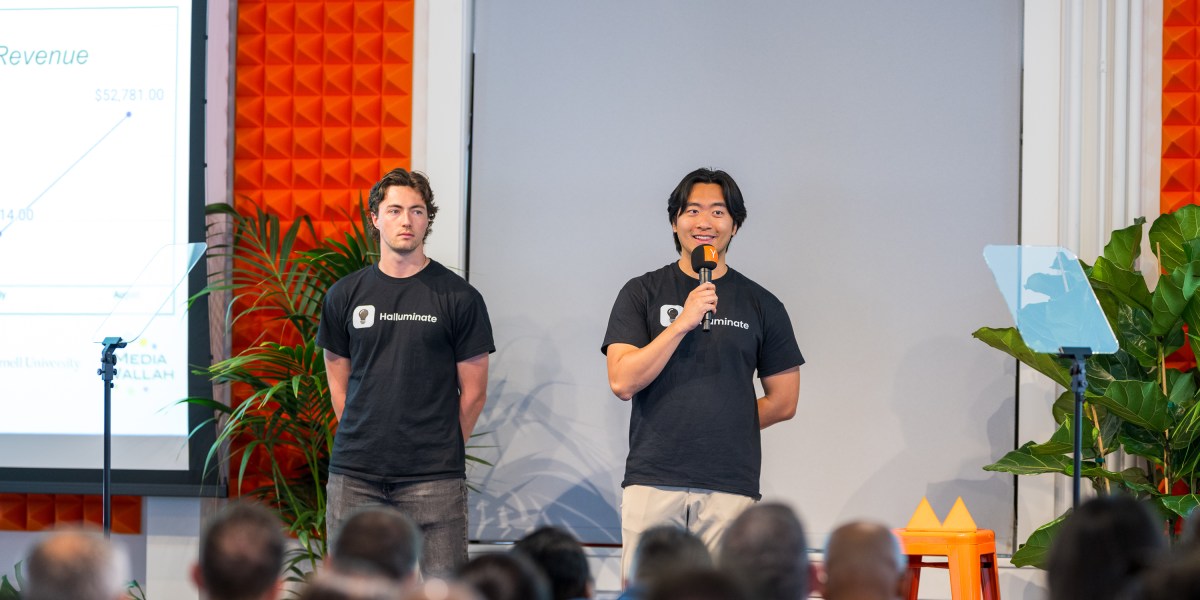
Halluminate, which builds AI training environments for complex financial work, raised a $30M Series A led by Oak HC/FT, bringing its total funding to $38.5M
THE SO WHAT
$30M into a nine-person team building AI training environments for complex financial workflows is a bet that synthetic, domain-specific sims become the new data moat. If you’re in a high-regulation vertical, start cataloging the processes where you’d trust agents—then ask who is building the sandbox to train them safely.
READ THE SOURCE
MORE FROM THE WIRE
 Startups & Venture
Asia Bankers Hope Japan, Australia Can Lift M&A From Doldrums
When Asia dealmakers are leaning on Japan and Australia to offset broader M&A weakness, it signals a selective, not broad, risk appetite. Operators in those markets can expect more inbound strategic interest and should have clean data rooms and scenario plans ready, while peers elsewhere should not bank on M&A as a near-term liquidity or exit path.
 Startups & Venture
The founder’s guide to TechCrunch Disrupt 2026: Everything you need to know
When a flagship startup conference centers on “enduring companies in the AI era,” it’s codifying that AI is no longer a side panel but the main track. Founders should read this as a fundraising filter—your story, metrics, and moat will be evaluated through an AI-native lens by default.
Startups & VentureSoftBank Investors Look Past Credit Risks to Gauge AI Upside
Equity markets tolerating higher leverage at SoftBank in exchange for AI optionality shows how much investors are willing to underwrite risk for exposure to the theme. If you’re raising growth capital, expect pressure to frame your story explicitly in terms of AI upside—even if your real edge is elsewhere.
Startups & VentureFirmus Eyes $30 Billion Valuation in Australian IPO, AFR Reports
A data center operator targeting a ~$30.3B valuation in an Australian IPO shows how core AI-era infra—power, land, cooling—is being financialized as a standalone asset class. If you’re a heavy AI user, treat data center partners less like vendors and more like long-term capex counterparts, with multi-year commitments and shared planning on power and siting.