

Harvard’s $699 startup bootcamp offers AI avatars of its instructors
THE SO WHAT
Harvard putting instructor avatars in a $699 HBS Foundry program normalizes AI-mediated mentorship as a product, not a gimmick. If you sell expertise — accelerators, coaching, training — assume your customers will soon expect 24/7 AI access to your “best people,” and design the boundary between avatar and actual human time now.
READ THE SOURCE
MORE FROM THE WIRE
 Applied AI
AI agents' growing capabilities are driving productivity FOMO among some startup founders, who feel compelled to work long hours managing and guiding the agents
If founders are working longer to babysit agents, the constraint hasn’t moved from labor to leverage yet. Treat agent orchestration as an ops problem — define clear scopes, SLAs, and review cadences or you’re just adding a second job on top of the first.
 Applied AI
A free AI model is winning over developers. And nobody knows whose servers it runs on
An anonymous model like Ox Alpha with a 1M-token context and retained prompts is a reminder that “free” often means “opaque data sink.” For anything beyond throwaway experiments, treat unknown providers as unvetted third countries — no customer data, no IP, no production traffic.
Applied AIEnterprises winning with AI agents are limiting how much the agents can do alone
The pattern in production is clear—teams getting real value from agents are shrinking the autonomy surface and tightening orchestration, not chasing fully free‑running systems. If you’re piloting agents, scope them to narrow, high‑volume workflows with explicit human or service checkpoints instead of betting on ‘general’ autonomy.
 Applied AI
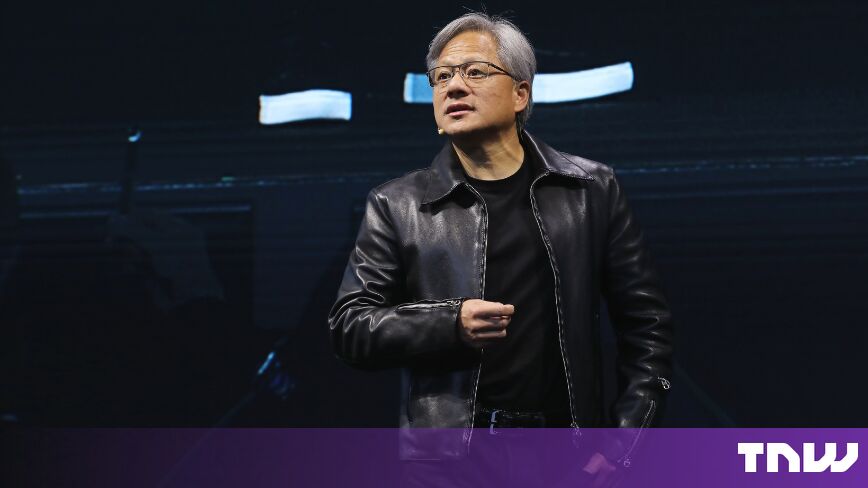
Nvidia AI server prices are rising more than 15% from early next year
A >15% price bump on Nvidia-based AI servers driven by memory costs turns 2026–2027 AI infra budgets into a moving target. If you’re scaling GPU clusters, lock in contracts where you can, revisit model efficiency roadmaps, and treat memory availability as a first-class planning variable.