
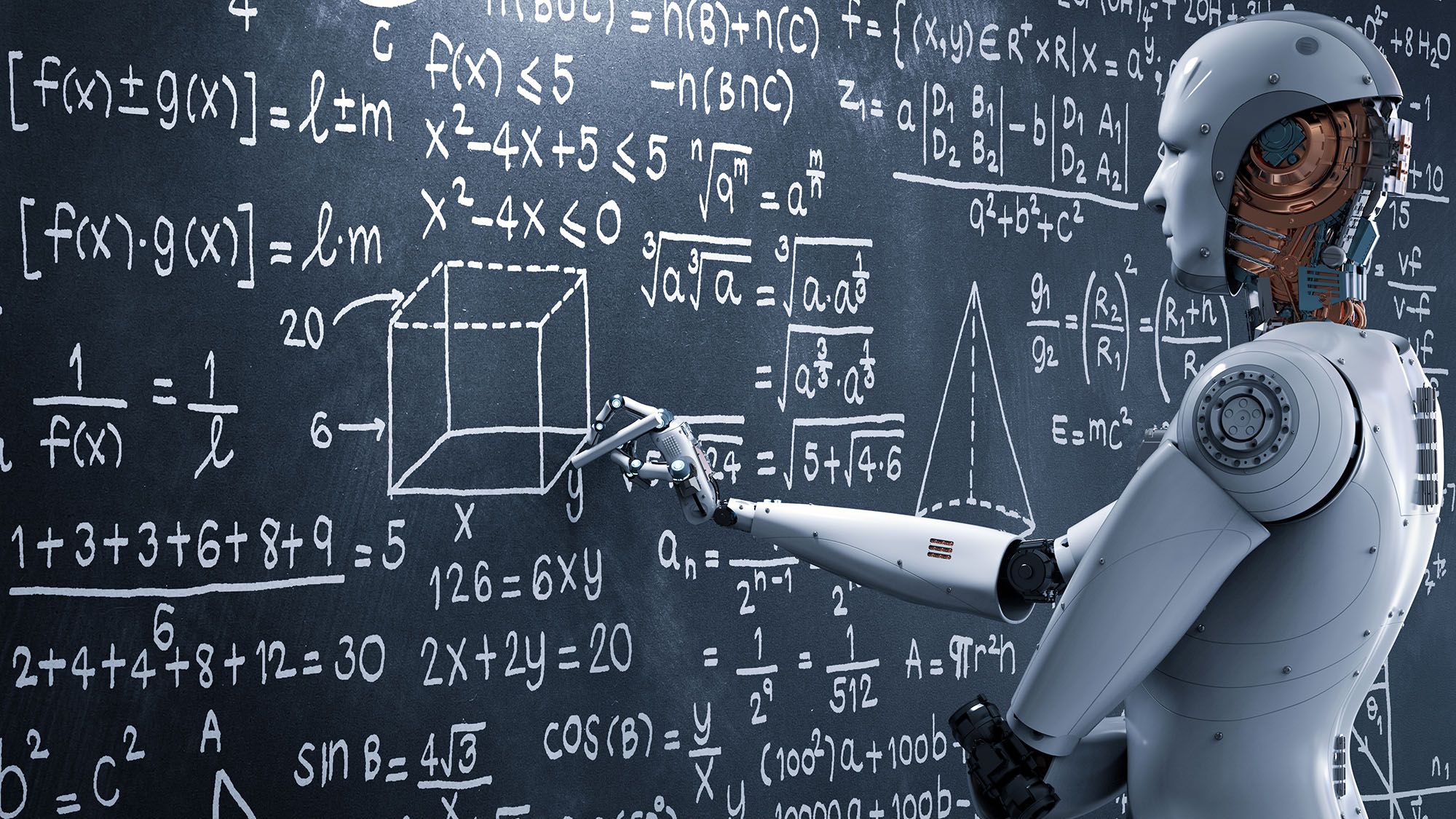
Has OpenAI started the 'mathpocalypse'? Experts say AI's solving of iconic math problems may cause huge issues in the long run
THE SO WHAT
If AI can generate solutions or partial solutions to hundreds of long-standing math problems, the bottleneck shifts from discovery to human comprehension and verification. Research-heavy orgs should assume that “proof review” and interpretability capacity — not idea generation — becomes the scarce asset and plan hiring and tooling accordingly.
READ THE SOURCE
MORE FROM THE WIRE
 Applied AI
Based AI People Are Supposedly Smoking Because AI Will Cure Cancer
The fact that “AI will cure cancer” is being used as a meme justification for unhealthy behavior shows how quickly AI has become a cultural myth, not just a tool. Leaders communicating about AI-driven health or science work need to be precise — vague promises are already being distorted in the public narrative.
Meta says it's launching the biggest and best AI models it has ever built
Meta pushing Muse Wonder and Wonder Full as rivals to OpenAI and Anthropic is another step toward a multi-frontier world where capability gaps narrow quickly. Buyers should assume rough parity at the top end and focus evaluations on integration, governance, and cost structure rather than chasing whoever claims a short-lived lead.
 Applied AI
How the OpenAI, Anthropic IPOs Could Lift the Veil on AI Economics
Public listings for OpenAI or Anthropic would force real disclosure on model unit economics, infra commitments, and margin structure — data that’s currently guesswork for most boards. If you’re making multi-year AI infra or platform bets, plan to revisit your assumptions once S-1s land, because they may reprice what “sustainable” AI spend looks like.
 Applied AI
AMD puts 32,768 CPU cores in a rack built for AI agents
AMD’s Helion blueprint — up to 32,768 CPU cores per rack tuned for agentic workloads and “agents per watt” — is a direct bid to define infra for inference and orchestration, not just training. If your roadmap leans into AI agents, start modeling where CPU-heavy, massively parallel racks might beat GPU-centric designs on cost and density.