
Here's how SpaceX imagines its massive Terafab chip factory will look
THE SO WHAT
A planned $16.8B first phase for SpaceX’s Terafab chip plant underscores how AI and space are pulling semiconductors into mega-project territory usually reserved for energy and heavy industry. If you rely on advanced chips, start mapping exposure not just to vendors but to their upstream fab footprints — supply resilience is becoming a site-selection and permitting question, not just a pricing one.
READ THE SOURCE
MORE FROM THE WIRE
 Deep & Emerging Tech
Blue Origin identifies engine issue behind New Glenn explosion
Root-causing a New Glenn engine failure this early in the program is painful but clarifying—launch cadence and manifest risk now hinge on how fast they can validate the fix. If your roadmap assumes cheaper or more frequent heavy-lift access, keep a contingency path across multiple launch providers.
 Deep & Emerging Tech
Chuwi UniBook review: New Intel silicon makes it an affordable laptop, but it comes with a few caveats
Intel’s new Wildcat Lake Core 3 304 showing up in low-cost laptops like the Chuwi UniBook underlines how capable baseline hardware is getting at the edge. For IT and software teams, that widens the install base that can realistically run local models and heavier clients without premium devices.
Deep & Emerging TechRXO CEO on Earnings Beat, Freight Market Outlook
RXO’s 25% revenue jump and talk of an early freight recovery tied to rising spot rates hints that logistics demand is bottoming. If your business depends on freight capacity or costs, this is the moment to lock in contracts and invest in routing/automation before pricing power fully swings back to carriers.
 Deep & Emerging Tech
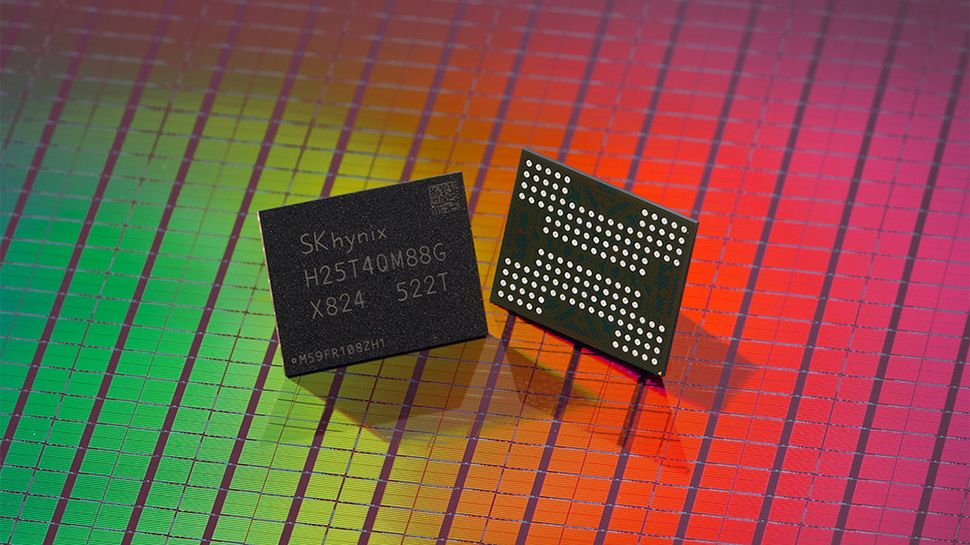
SK Hynix and SanDisk reveal first specs for High Bandwidth Flash — but don't get too excited, you probably won't be able to buy it anytime soon
512 GB stacks at 3 TB/s show where memory is headed—toward flash that behaves more like HBM for AI and high-throughput workloads. For now this is roadmap, not capacity you can book, but it should already inform how you think about future bottlenecks and data locality in your architectures.