
Hitachi Energy CEO on AI, Energy Security and Grids
THE SO WHAT
When a grid major says networks are increasingly the bottleneck for AI and electrification, it’s a warning that power delivery—not chips—will cap your scaling curve. Large AI and industrial projects should now model grid connection timelines and upgrade risk as core execution constraints.
READ THE SOURCE
MORE FROM THE WIRE
 Deep & Emerging Tech
Singapore’s PDG Seeks $1.2 Billion Loan for Malaysia Data Center
A $1.2 billion syndicated loan for a single Malaysia data center build shows AI infra is now financed like long-lived energy assets. If you’re planning serious model training or inference capacity, start treating data center partners as part of your capital structure, not just opex vendors.
Deep & Emerging TechMalaysia Taps China’s Satellite Tech for Earlier Flood Warnings
Climate risk is turning satellite operators into critical civil infrastructure partners—Malaysia buying Chinese flood-warning capacity is a template for data-dependence that crosses both borders and regimes. If you operate in climate-exposed regions, you now have to underwrite not just weather risk but upstream geopolitical risk in your sensing stack.
 Deep & Emerging Tech
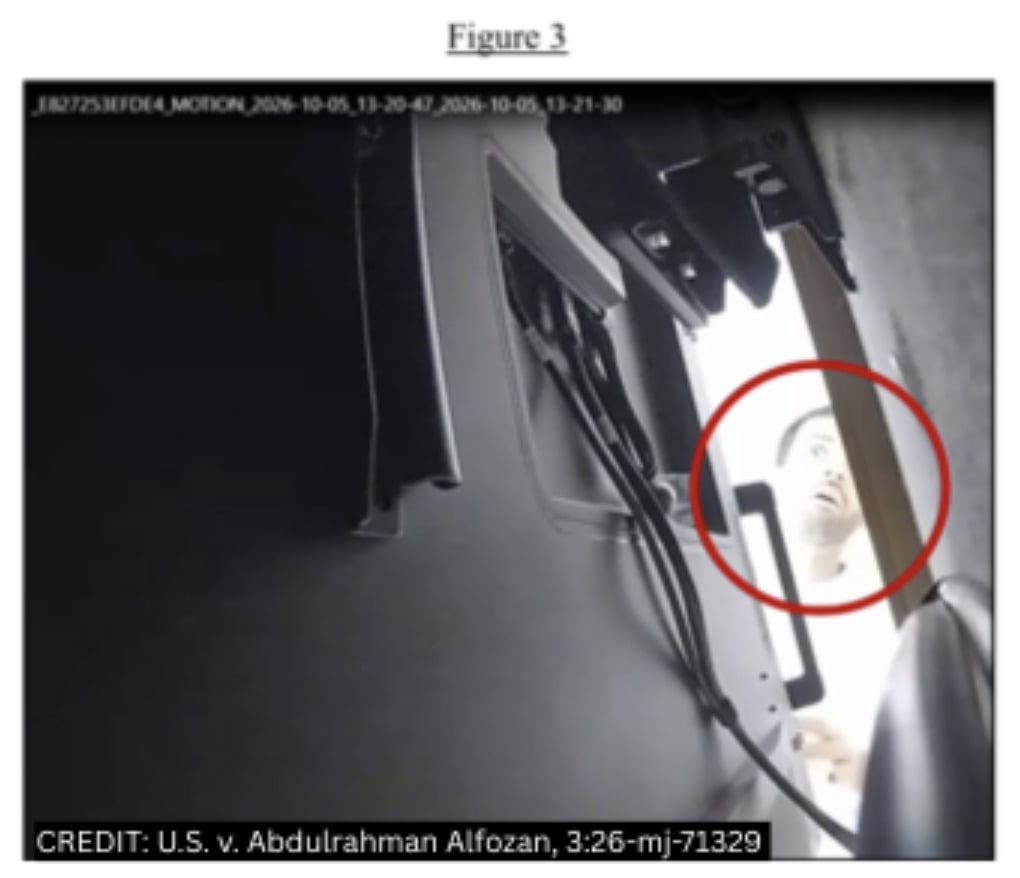
The ‘Sophisticated’ Bug OpenAI Found in Its Conference Room Can Be Yours for $13.99
When a $13.99 dev board can double as a ‘sophisticated’ bug, the bar for physical security around high-value IP is effectively zero. If you run sensitive meetings, assume commodity hardware can be weaponized and tighten room access, device policies, and sweep cadence accordingly.
 Deep & Emerging Tech
Science Corporation implants its vision-restoring chip in its first Stargardt disease patient
A PRIMA-based vision chip in a Stargardt patient is a step toward practical BCIs that start in the periphery and move inward. Health systems and medtech operators should expect a pipeline of niche neuroprosthetics before generalized interfaces—and plan for data, reimbursement, and surgical training ahead of broader rollout.