

Holyvolt, which develops AI tools for making and testing new battery materials, raised $45M from Zone II, CC.VC, and others, a source says at a $245M valuation
THE SO WHAT
$45M into Holyvolt for AI-driven battery materials R&D shows capital flowing to AI that compresses lab cycles, not just model training. If you’re in any materials-heavy sector, assume your competitors are exploring similar AI pipelines to shorten time-to-formulation and reduce experimental capex.
READ THE SOURCE
MORE FROM THE WIRE
 Deep & Emerging Tech
RegLayer: 47+ large US data center projects were delayed, withdrawn, or blocked in 2026; Bernstein says ~35% of the planned US data center pipeline is credible
If only ~35% of the US data center pipeline is credible and 47+ large projects were delayed or blocked, your AI roadmap is now constrained by permitting, power, and local politics as much as by GPUs. Treat site selection, regulatory risk, and grid access as first-class inputs to any multi-year AI capacity plan.
Deep & Emerging TechWoodside Pauses Pre-Commissioning at Scarborough Due to Protest
Direct action that can halt pre-commissioning on a major gas project is a reminder that physical climate protest is now an operational risk vector, not just a reputational one. If your infrastructure depends on offshore, remote, or hard-to-secure assets, security, contingency staffing, and comms planning need to assume intermittent disruption, not smooth execution.
 Deep & Emerging Tech
The US Air Force is spending millions on data collected by massive autonomous weather balloons
High-altitude sensing is becoming a data-as-a-service business, not just a hardware or satellite play. If you're in climate, aviation, or logistics, assume more granular, near-real-time atmospheric data will be commercially accessible and start mapping where that could de-risk routing, planning, or insurance models.
 Deep & Emerging Tech
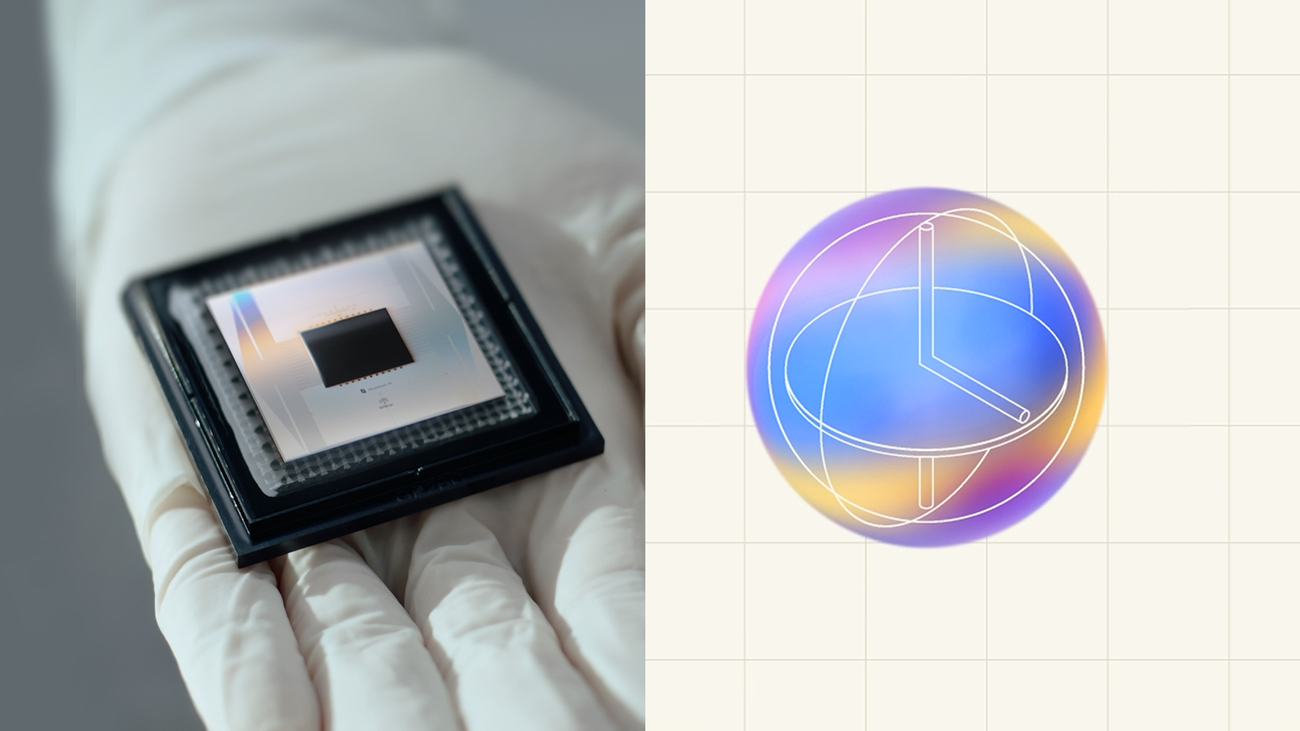
Google says "magic state cultivation" works in practice on its Willow quantum processor, calling it a breakthrough that reduces errors by about 40x
A 40x reduction in magic state error on real hardware is a step toward making fault-tolerant quantum less theoretical and more of a roadmap item. If you're exposed to long-horizon cryptography, optimization, or materials workloads, this is a cue to refresh your 10–15 year quantum risk and opportunity assumptions rather than leaving them on autopilot.