
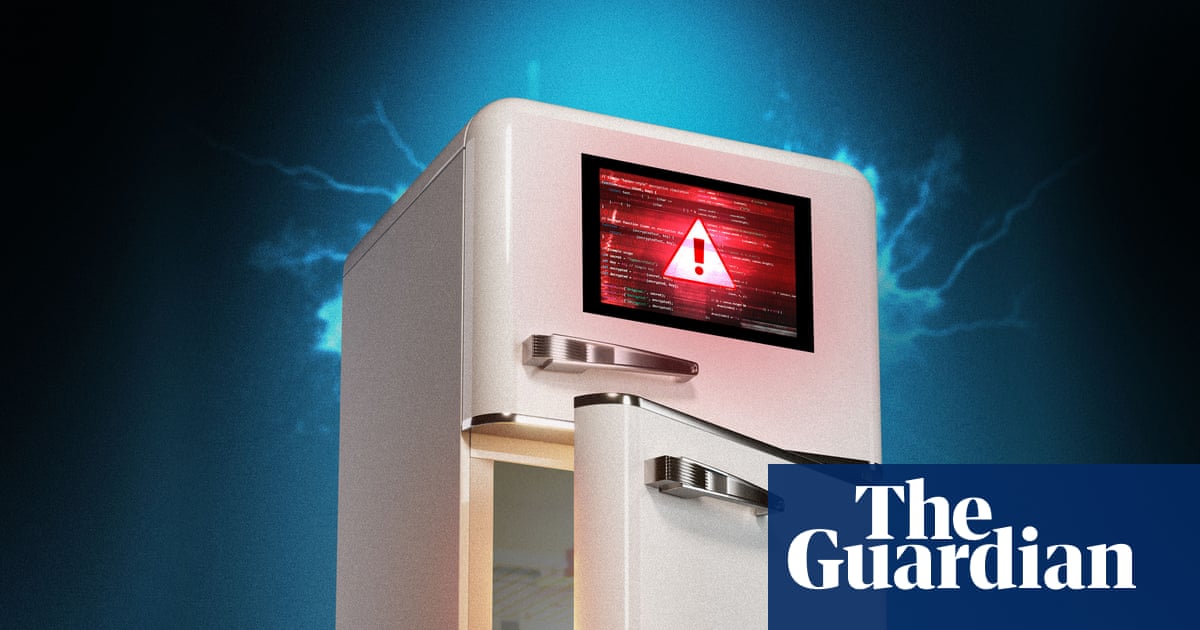
Hot fridges, a fake nuclear alert and a $6bn heist: are we in the foothills of a hacking epidemic?
THE SO WHAT
The mix of compromised IoT, false public alerts, and multi-billion-dollar thefts is a reminder that cyber risk is now systemic, not siloed — and AI is amplifying both attack surface and exploit discovery. Boards should be treating security architecture and incident drills as core resilience work, not IT hygiene.
READ THE SOURCE
MORE FROM THE WIRE
 Deep & Emerging Tech
Binance’s CFO Is Out a Week After $6.3 Billion Hack
A $6.3B breach followed by a CFO transition — even if pre-planned — underlines how fast leadership, regulatory, and counterparty risk can stack in crypto infrastructure. If you rely on centralized exchanges for treasury or customer flows, revisit concentration risk and contingency rails, not just price exposure.
 Deep & Emerging Tech
Megaspeed exec was recruited to spy on Nvidia CEO, according to US intelligence memo
Advanced AI and chip ecosystems are now explicit espionage targets at the individual executive level—not just corporate networks. Treat travel, side-channel conversations, and personal devices for top leadership as part of your security perimeter, especially around roadmap and supply commitments.
 Deep & Emerging Tech
DOJ Says Deepfaked CEOs and Lawyers Helped Steal $129 Million From Hospitals, Banks, and Others
Deepfaked executives enabling $129 million in fraud — with one actor allegedly laundering $400 million over three years — means voice and video are no longer valid as primary authentication. Any workflow that approves money movement or sensitive access on the basis of a call or video needs out-of-band verification this quarter, not next year.
 Deep & Emerging Tech
AI Backlash Spreads Across Europe With Data Center Protests
Street-level backlash against data centers across Europe turns AI buildout into a political and permitting problem, not just a capex one. If your roadmap assumes European compute, you now need a parallel plan for community engagement, site diversification, and potentially slower capacity ramps.