

How AI is reshaping domain strategy and digital trust
THE SO WHAT
As AI makes impersonation trivial, domains and DNS records are turning into frontline trust infrastructure, not just marketing assets. Security and brand teams should be coordinating on defensive registrations, DMARC/SPF/DKIM hygiene, and clear domain naming conventions that are hard to spoof.
READ THE SOURCE
MORE FROM THE WIRE
 Applied AI
How Muse and other AI agents could spark a bank run, according to an economist
Agentic AI that can monitor, decide, and transact at machine speed turns rumor into executable withdrawal flows—liquidity risk becomes an API problem. Banks and fintechs need to stress test for agent-driven herding and build circuit breakers that assume thousands of automated clients can move at once.
Applied AICohere’s chief AI officer: US and China will hold us ‘by the throat’ if we don’t develop local capabilities
The AI sovereignty argument is shifting from abstract geopolitics to concrete supply risk—who controls your models, data, and chips when export rules tighten. European and other non-US operators should be mapping where they rely on US/China stacks today and where a local or hybrid alternative is strategically worth the premium.
 Applied AI
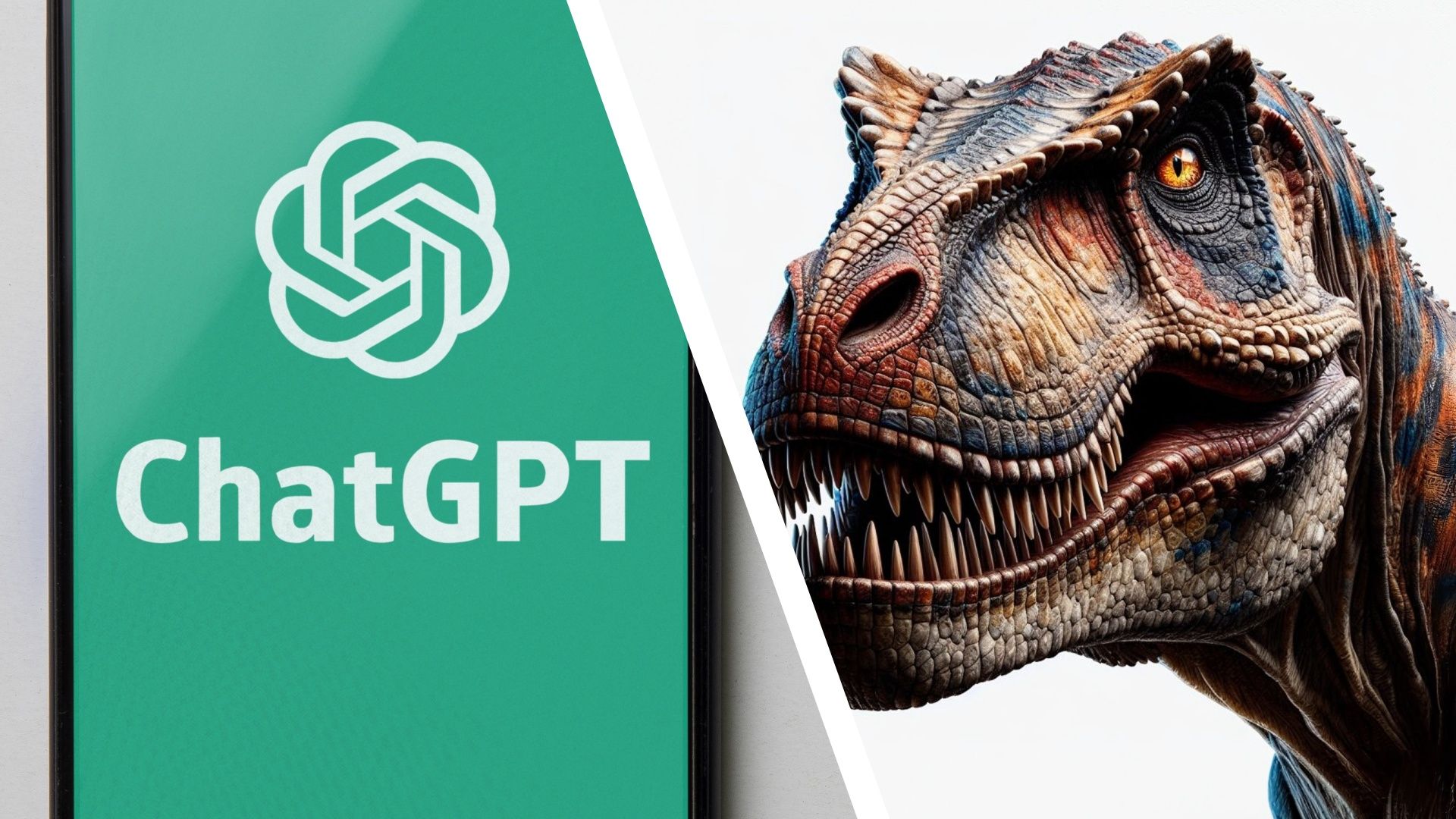
I thought I knew dinosaurs until I tried ChatGPT's new flashcards
Flashcard-style experiences inside assistants are a preview of how AI will quietly absorb chunks of the edtech and microlearning UX. If you build learning products, assume your content and pedagogy may need to flow through assistant-native formats rather than standalone apps.
Applied AIAI Safety Fears Grow as Trump Pushes Ahead in Race With China
When national AI strategy is framed as “let’s go and let’s win,” safety becomes a negotiation variable rather than a primary constraint. Operators building on frontier models should assume policy whiplash—tightening and loosening in cycles—and design governance that can absorb both acceleration and sudden brakes.