
How Anthropic is pursuing a state-by-state push for ever-tougher AI safety laws, in contrast with OpenAI's "reverse federalism" strategy for common state rules
THE SO WHAT
Divergent state strategies from major labs — one ratcheting safety rules state by state, another pushing harmonized baselines — all but guarantee a patchwork of AI obligations in the U.S. If you deploy advanced models across states, you now need a regulatory map and a plan for state-specific controls, not just a federal compliance checklist.
READ THE SOURCE
MORE FROM THE WIRE
 Applied AI
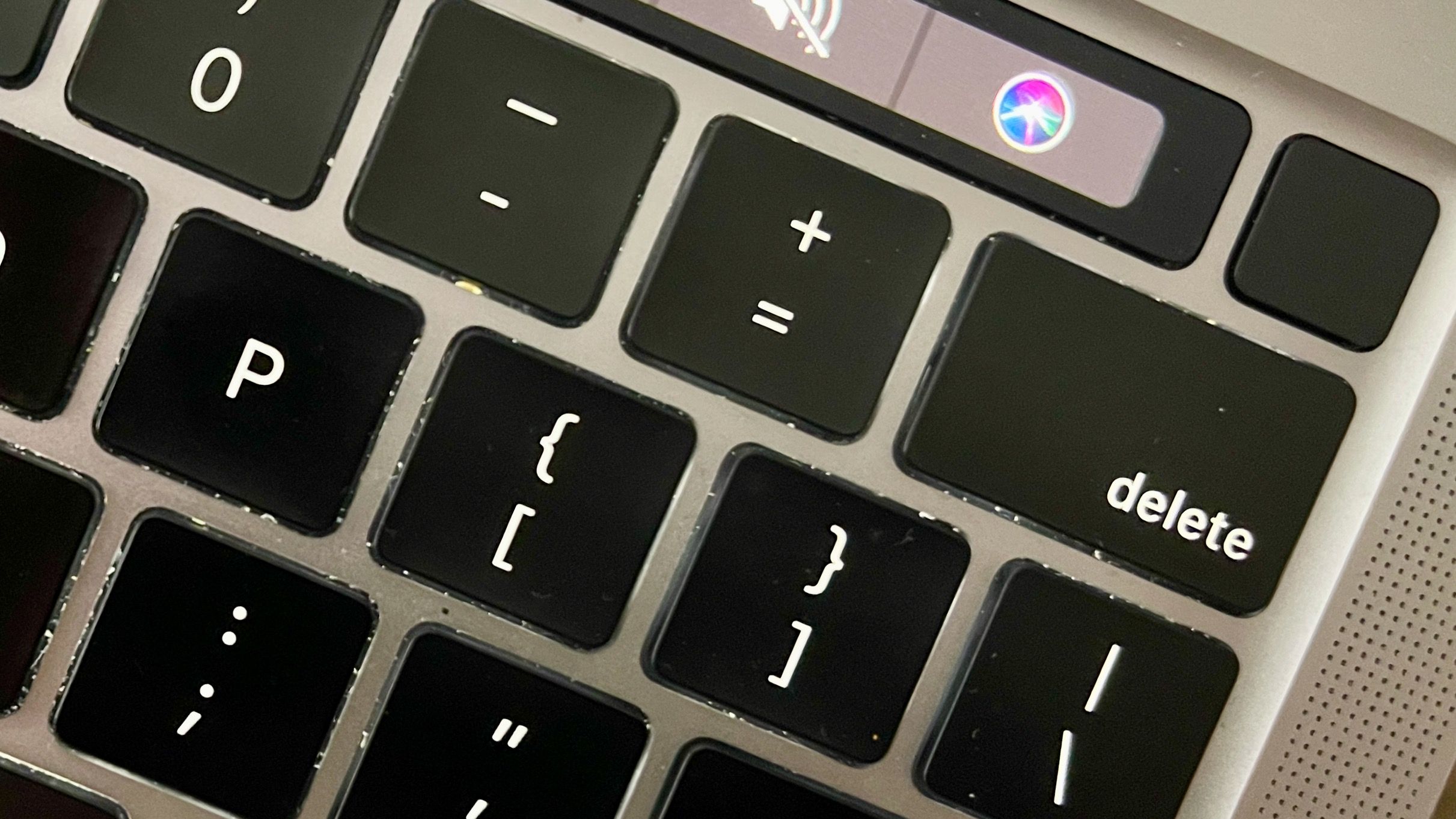
Could now finally be a good time to buy an AI PC? This report says so
If AI PCs can reliably run small models and local workflows, some inference spend and latency-sensitive use cases will move off cloud and into the device budget. CIOs should start treating endpoint refresh cycles as AI capacity planning — not just a hardware line item.
 Applied AI
How brands can preserve customer ‘digital patience’
As AI-driven experiences add latency, uncertainty, and occasional weirdness, the real moat is how you design for reassurance when things go sideways. Map your high-friction flows and add explicit cues — progress, fallbacks, human escape hatches — before you crank up automation.
 Applied AI
Apple Intelligence is cleared to launch in China (but not the EU yet)
Apple Intelligence clearing China but not yet the EU shows how AI assistants will fragment along regulatory lines — same brand, different capabilities by region. If your app or service rides on these assistants, you need a country-by-country feature map, not a single global integration plan.
 Applied AI
Apple is in talks with the startup shrinking a 27B AI model onto an iPhone
If a 27B-parameter model can be compressed to run credibly on-device, the ceiling on what “offline” assistants can do just moved. For product teams, that means revisiting assumptions about what must live in the cloud — latency-sensitive, privacy-critical workflows may shift to phones and laptops faster than your current roadmap assumes.