

How time series databases unlock real-time data for robotics
THE SO WHAT
Robotics teams standardizing on time series databases for high-volume sensor data is a quiet but important stack decision—storage and query patterns are becoming as critical as the autonomy code. If you're scaling fleets, invest early in your telemetry architecture; retrofitting real-time analytics later is where many deployments stall.
READ THE SOURCE
MORE FROM THE WIRE
 Robotics & Autonomy
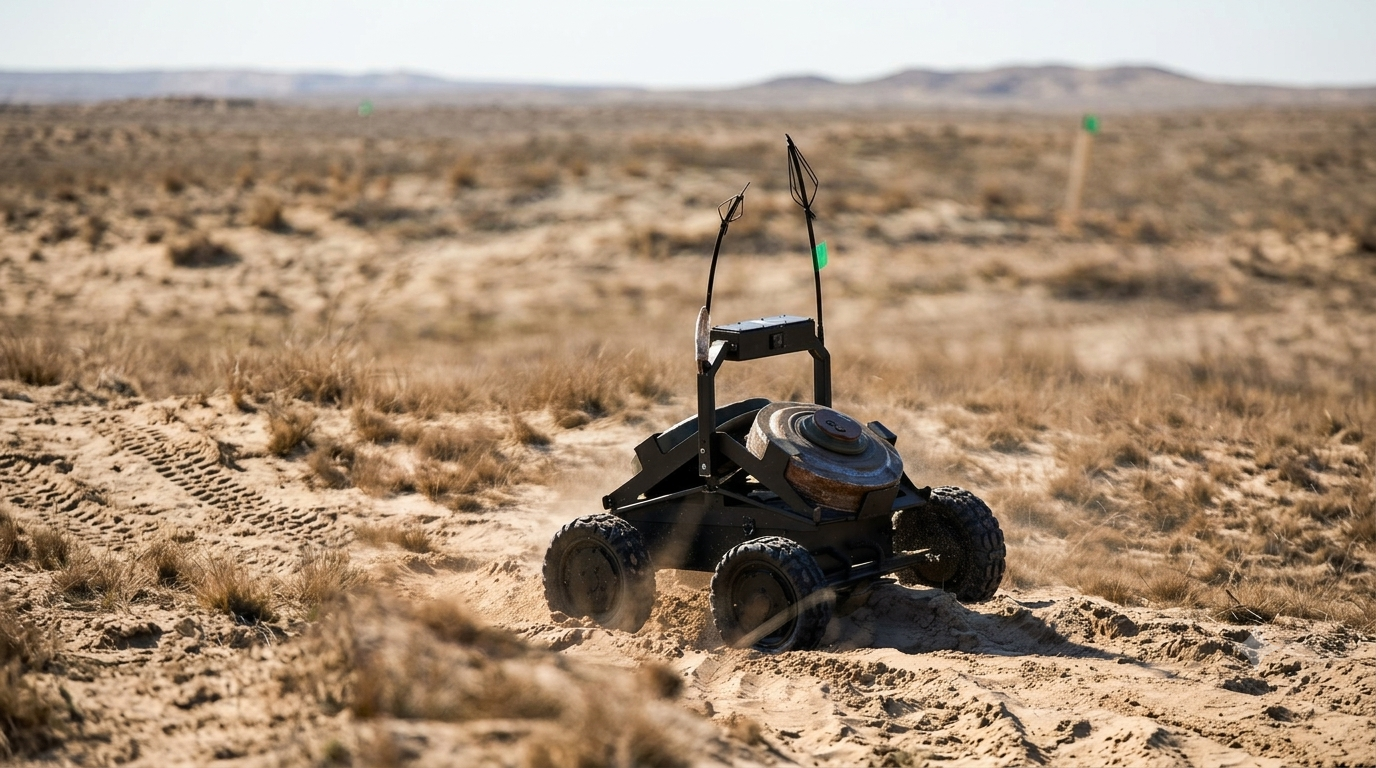
Ukraine's heavy bomber drones airdrop ARK-1 mine-laying robots behind Russian lines
Aerial drones seeding ground robots is the clearest proof yet that autonomy is becoming a composable system, not a single platform decision. Defense and industrial operators should be mapping where they can pair cheap air assets with semi-disposable ground units to extend reach without adding headcount or risk.
 Robotics & Autonomy
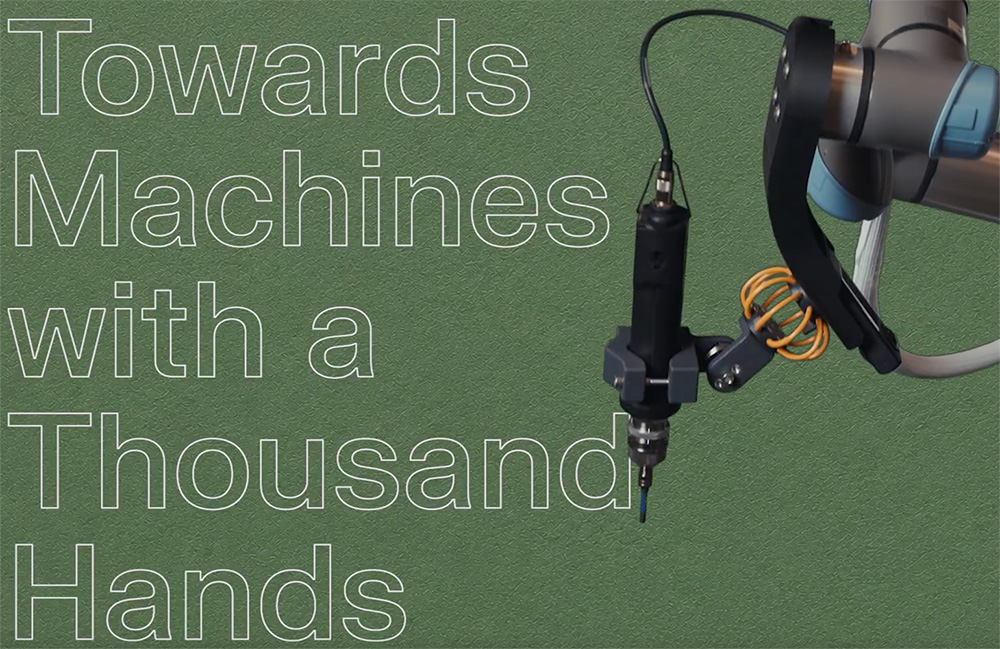
Generalist’s GEN-1 foundation model now supports a range of robot end effectors
A single sensorimotor base model that can adapt to multiple hands is a step toward hardware-agnostic robot brains. If you're deploying robots across sites, start mapping where a shared control model could cut integration and retraining time.
 Robotics & Autonomy
Video Friday: An Italian Humanoid Comes to Life
Humanoid highlight reels are shifting from lab tricks to more stable, repeatable behaviors—evidence that the control stacks are maturing. If you run facilities or field operations, it's time to map where a general-purpose form factor could replace multiple single-task robots over a 3–5 year horizon.
 Robotics & Autonomy
Earth first, Mars later: Inside AIM’s grand vision for physical AI and autonomous bulldozers
Retrofitting heavy construction and mining equipment for autonomy from a former SpaceX space in Redmond is a clear bet that “physical AI” has near-term ROI on Earth before any off-world play. If you operate yellow iron fleets, the window to shape autonomy vendors around your safety and workflow standards is open now.