
Howard Marks Flags Uncertainty in AI Investing
THE SO WHAT
When Howard Marks is publicly stressing caution on AI enthusiasm, LPs and boards will start asking harder questions about AI exposure and payback periods. Founders should expect more scrutiny on unit economics and defensibility, not just “AI inside” narratives.
READ THE SOURCE
MORE FROM THE WIRE
 Startups & Venture
Ex-Zillow VP’s startup Truelist acquired by Mainstay in $18M expansion of real estate AI
Mainstay buying Truelist for $18 million to unify AI-powered listing creation across fragmented MLS systems shows vertical AI is consolidating into workflow platforms, not standalone tools. If you’re in a regulated, data-fragmented vertical, the play is increasingly to own the orchestration layer that sits on top of many small systems of record.
 Startups & Venture
Oura’s $2.2B IPO is mostly a payday for existing shareholders
A $2.2 billion Oura IPO with over half the proceeds going to existing shareholders is a liquidity event, not a growth financing. For operators, this is a reminder that late-stage cap tables can constrain post-IPO investment—don't assume fresh public capital will fund aggressive product bets.
 Startups & Venture
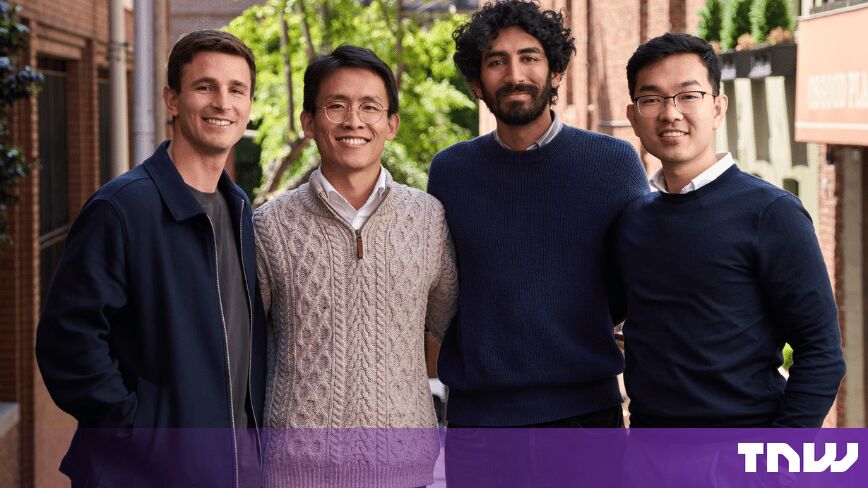
Corridor launches with $25m to fix health benefits for small businesses
A $25 million seed for Corridor’s AI benefits brokerage is a bet that small-business health plans are an information and workflow problem, not just a pricing one. If you sell into SMBs, expect AI-native intermediaries to sit between you and the customer and own the relationship.
Startups & VentureNYC-based Corridor, which uses AI to offer health benefits for small businesses, raised a $16M seed led by Bain Capital Ventures, following a $9M pre-seed
Corridor pulling in $25M pre-Series A to be an AI-native health benefits broker shows investors still like vertical AI plays that attack opaque, high-friction markets. If you’re in benefits, insurance, or compliance-heavy B2B, expect more AI-first intermediaries compressing margins and owning the customer relationship.