
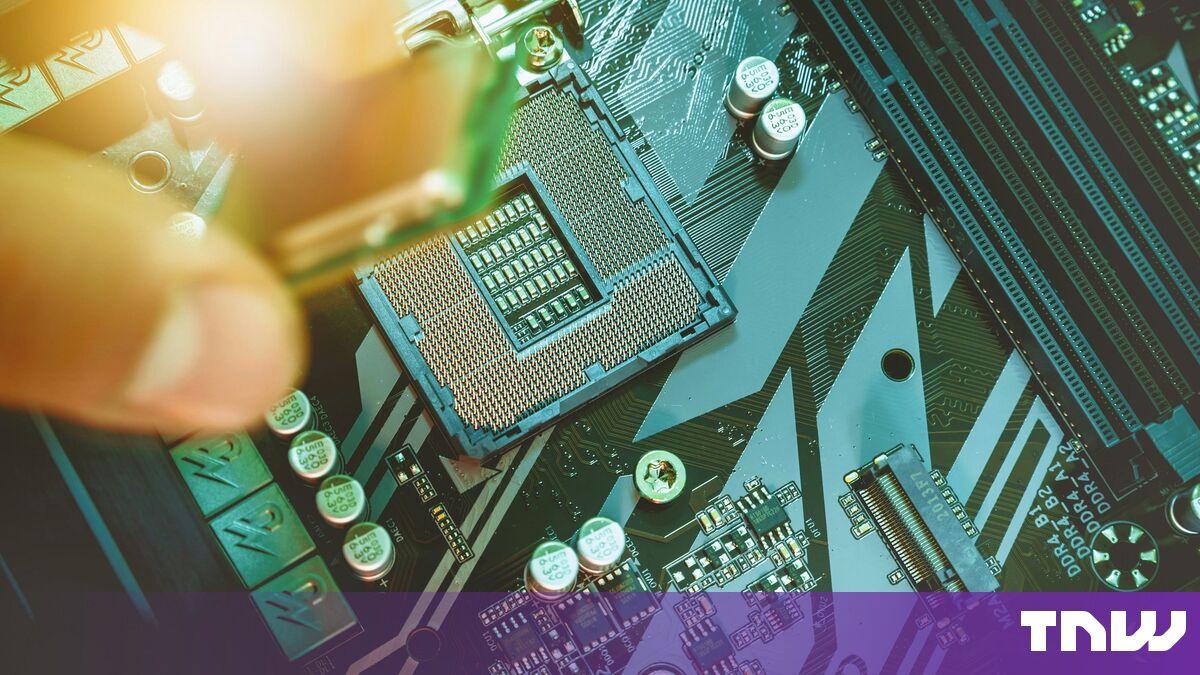
Huawei tells some clients to source their own HBM, report says
THE SO WHAT
If Huawei is telling customers to procure Samsung and SK Hynix HBM for its Ascend 960DT — despite export bans — then memory has become the sharpest chokepoint in China’s AI stack. Anyone building on Chinese accelerators should treat HBM availability and provenance as a first-order risk, not a procurement detail.
READ THE SOURCE
MORE FROM THE WIRE
 Deep & Emerging Tech
Micron and other chip stocks slip as election results strike at the core of data-center optimism
Local politics is now a first-order variable in AI infra planning — Democratic wins in Texas and elsewhere are already repricing data-center optimism without touching funded projects. If you’re modeling multi-year AI capex, you need a permitting and power-policy scenario baked into the IRR, not just chip supply.
Deep & Emerging TechQualcomm sat out the semiconductor rally. Can a SpaceX partnership change that?
Tying into Starlink Mobile is Qualcomm pushing harder into infrastructure and connectivity, not just handsets. For device and IoT builders, the question is whether satellite-native connectivity becomes a baseline feature — and which silicon vendors you want as long-term spectrum and orbital partners.
 Deep & Emerging Tech
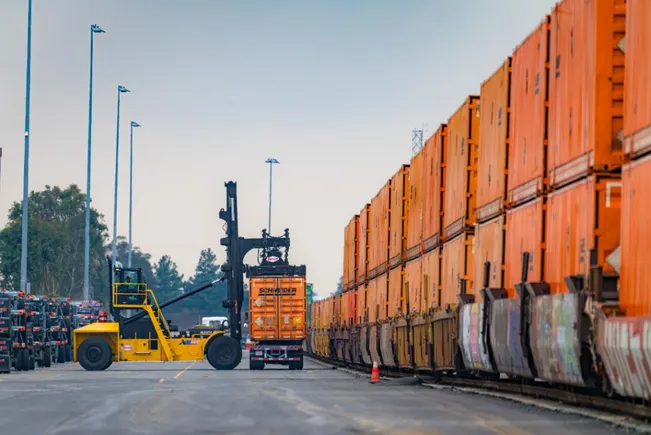
Schneider National says rail partner shift offers network boost
Schneider’s rail partner shuffle is a bet that network design beats brute-force capacity as markets tighten. Shippers should be asking their carriers how intermodal partnerships are changing lane reliability and transit times over the next 12–24 months.
 Deep & Emerging Tech
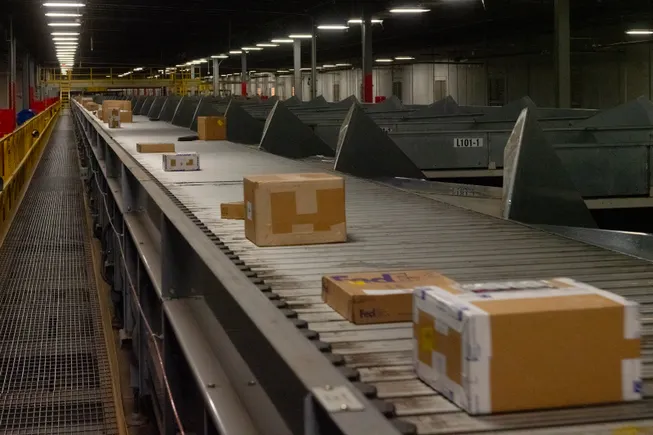
FedEx Network 2.0 headed to Los Angeles, other markets post-holidays
FedEx extending Network 2.0 to LA and other markets after peak season shows the integration thesis is working — enough savings are on the table to keep rolling. If you’re a volume shipper, expect lane-level service and pricing changes as FedEx consolidates assets; this is the moment to re-benchmark contracts.