
Hugging Face Co-Founder on Open-Source Robot, Reports of Nvidia Deal
THE SO WHAT
Selling roughly one MicroDuck every four days shows there’s real demand for open, programmable robots as a developer surface—not just as factory hardware. If you build tools or platforms, treat low-cost open robots as the next edge device where your software will be expected to run.
READ THE SOURCE
MORE FROM THE WIRE
 Robotics & Autonomy
Skip $1,000 flagship markups: iRobot’s AI-powered Roomba Plus 575 gets a $100 price cut
Price cuts on AI-powered home robots show how quickly “smart” features commoditize once the hardware matures. For consumer robotics builders, differentiation has to move to ecosystem, reliability, and service — not just another sensor or model spec.
 Robotics & Autonomy
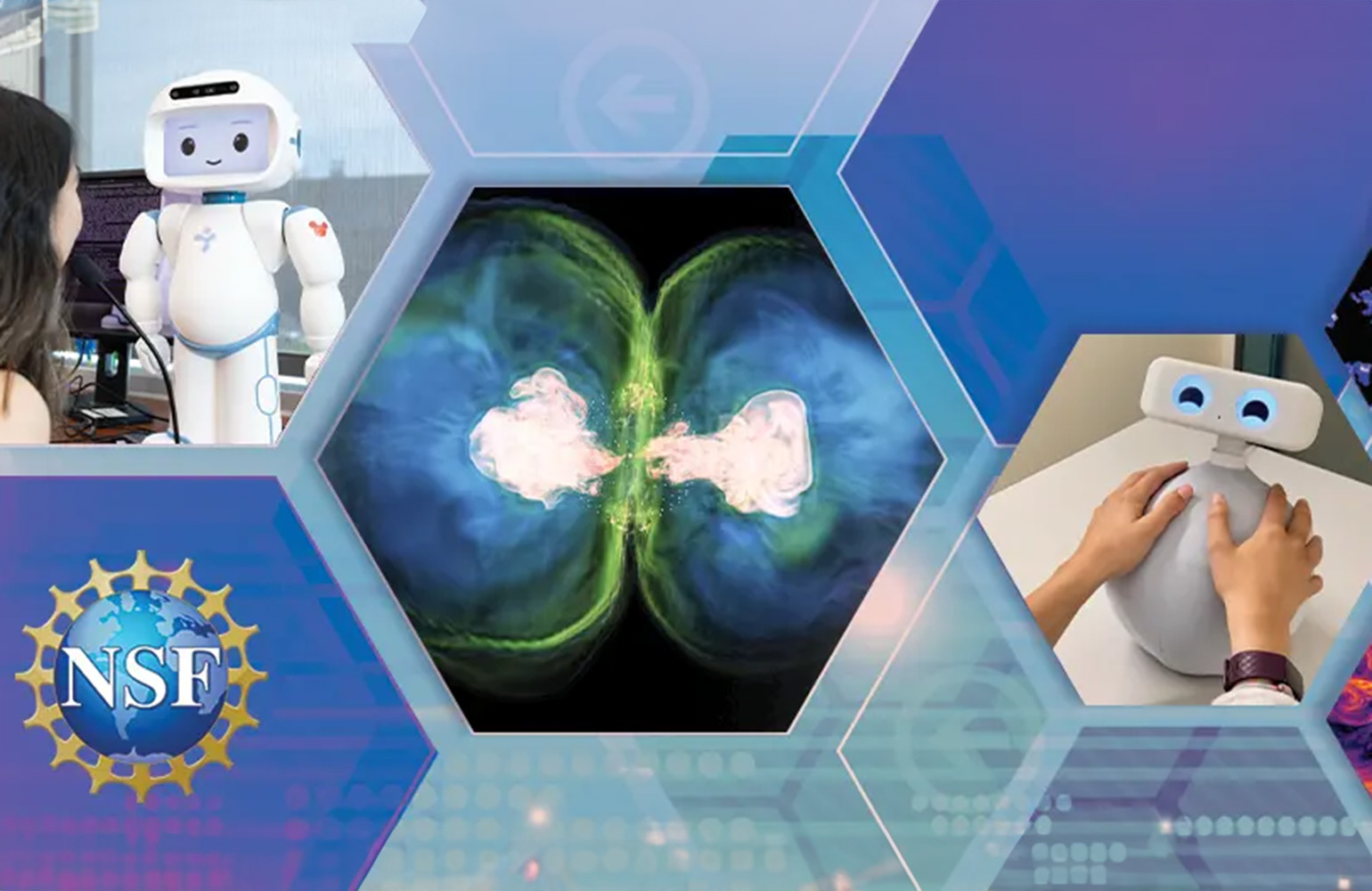
NSF to invest $90M into three new technology centers, including one focused on robotics
NSF’s $90 million for centers like UT Austin’s Center for Human and Robot Co-Adaptation is seeding the talent and algorithms that will hit industry in 3–7 years. If robotics is on your horizon, start building academic partnerships now—this is where your future hires and IP will come from.
 Robotics & Autonomy
This Is How Anthropic Thinks AI Agents Should Navigate the Physical World
Anthropic arguing that physical-world agents for science and manufacturing need new risk frameworks is an early attempt to set norms before incidents do. If you’re experimenting with lab or factory autonomy, start documenting safety cases and escalation paths now—regulators will eventually ask for them.
 Robotics & Autonomy
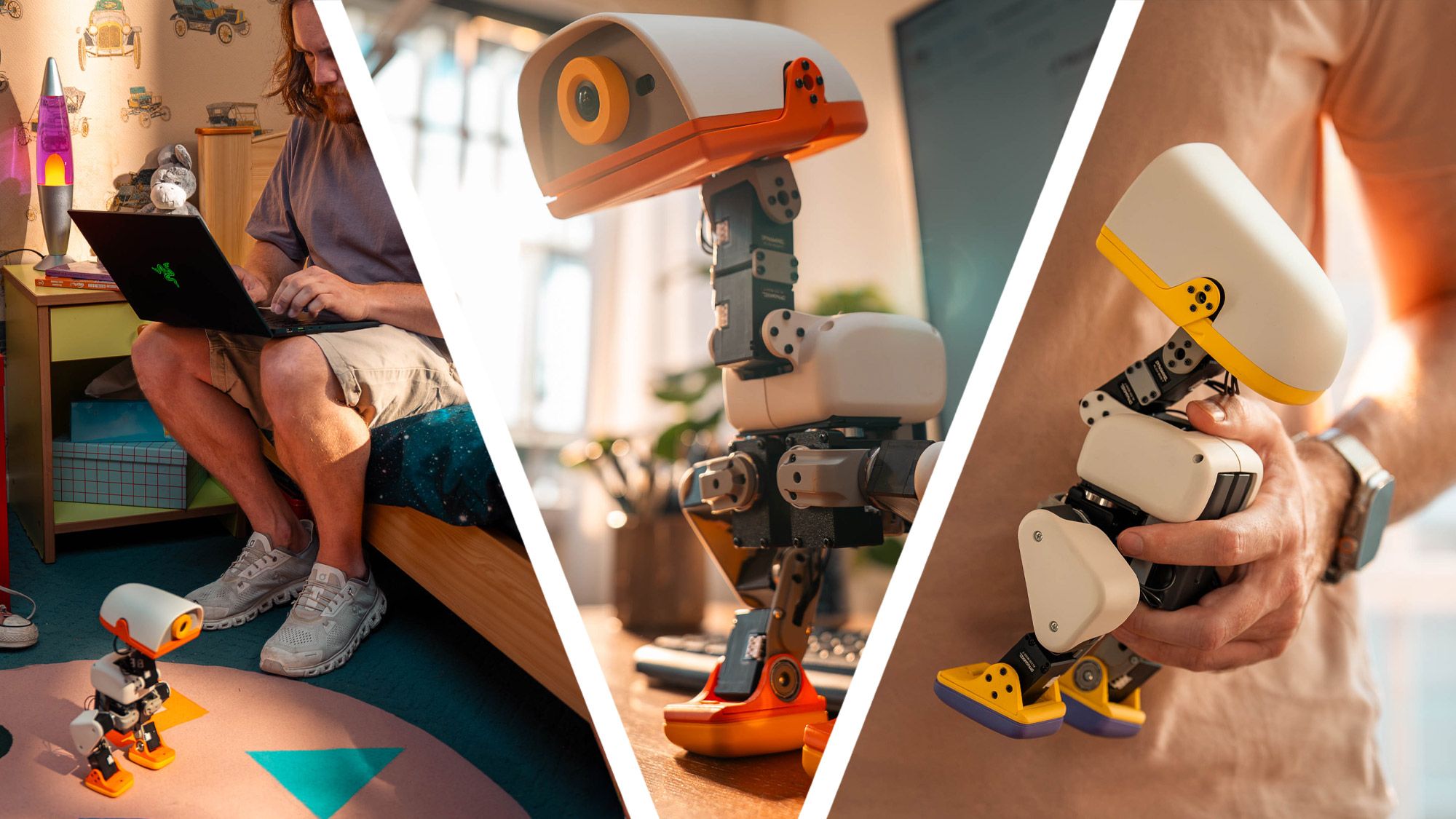
Forget Disney’s BDX Droid — the $399 Hugging Face Microduck robot is even more adorable and versatile thanks to Lidar, NFC and, yes, roller skates
A $399, sensor-rich educational robot from a major AI community is a distribution play for embodied AI literacy, not just a toy. If you build tools for developers or students, expect hardware like this to become the on-ramp for your SDKs and curricula.