

I capped my 240Hz monitor at 120 FPS. My GPU thanked me for it
THE SO WHAT
Capping a 240 Hz panel at 120 FPS to ease GPU load highlights the new constraint: power, thermals, and noise, not just raw frame rate. Hardware and game teams should assume more users will trade peak performance for efficiency — exposing easy frame caps and power profiles is now part of UX, not an advanced setting.
READ THE SOURCE
MORE FROM THE WIRE
 Tech & Innovation
VPN deal of the week: 97% of TechRadar readers would rather pay a flat fee than face price rises — here's the VPN that does that best
Flat-fee sentiment at 97% is a reminder that subscription fatigue is real and measurable. If you’re selling infra-like software — VPNs, storage, security — expect pressure toward lifetime or long-horizon pricing, or at least clearer caps on escalation.
 Tech & Innovation
U.S. economy keeps up the momentum, but rising costs put a cap on new hiring
Growth plus hiring restraint is the classic setup for automation budgets to survive while headcount freezes. If you own a P&L, assume you’ll be asked to deliver more output with flat teams — and line up AI and process investments that cut variable labor without requiring net-new hires.
 Tech & Innovation
Why I'll never be convinced by Meta's ‘pervert’ glasses | Opinion
Grassroots campaigns against non-consensual filming show that wearables live or die on social license, not just features. If you’re building cameras-on-body, assume you’ll need visible consent cues, policy guardrails, and probably geofenced restrictions to avoid a regulatory and PR drag.
 Tech & Innovation
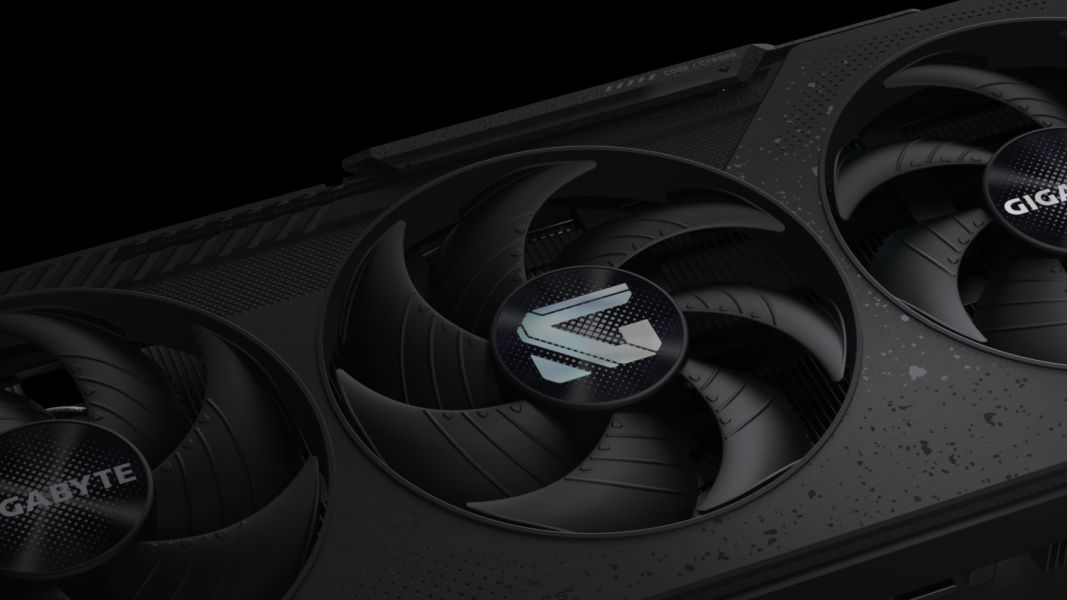
Oh, great, GPU prices could climb again — here's my expert advice on why you should buy now (and which graphics card to get)
Another GPU price up-cycle would push more teams toward cloud credits, reserved instances, and lower-cost accelerators instead of on-prem cards. If your roadmap assumes cheap local GPUs for dev or inference, revisit those assumptions and lock in capacity where you can.